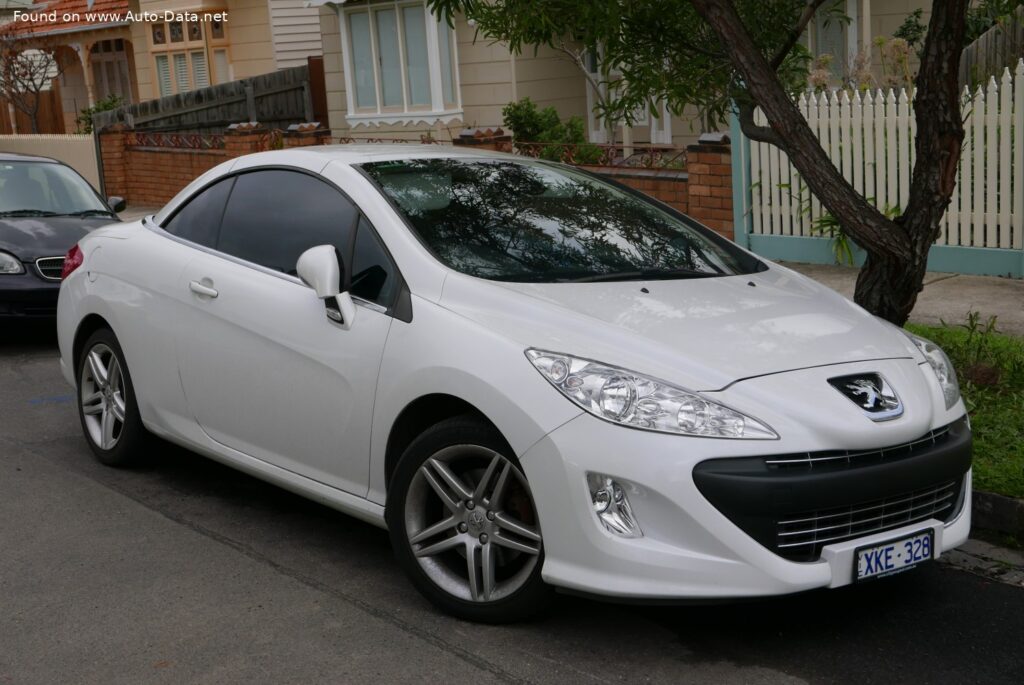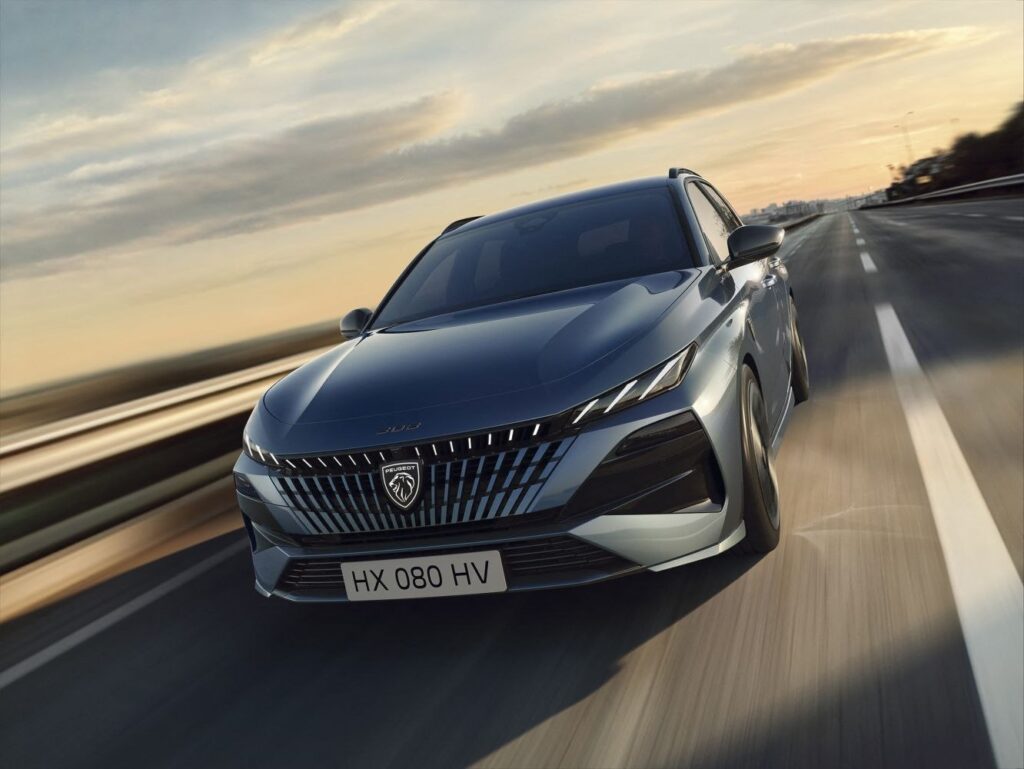
The Peugeot 308 SW III (Phase II, 2025) emerges as a compelling contender in the fiercely competitive European compact segment, representing a refined evolution of Peugeot’s popular station wagon. This particular iteration, featuring the advanced 1.2 (145 Hp) Hybrid e-DCS powertrain, underscores the French automaker’s commitment to efficiency, practicality, and modern driving dynamics. Positioned as a versatile family vehicle or a capable companion for active lifestyles, the 308 SW (Station Wagon) is a cornerstone of Peugeot’s lineup, offering a blend of stylish design, innovative technology, and a conscientious approach to environmental impact. While not directly sold in the United States, its design language, technological advancements, and hybrid integration reflect global automotive trends that influence vehicles worldwide. The Phase II designation for 2025 indicates a significant update to the third generation, likely encompassing aesthetic tweaks, interior enhancements, and further optimization of its already impressive mild-hybrid system. This model is designed to navigate the urban sprawl and open highways of Europe with equal poise, delivering a driving experience that balances spirited performance with remarkable fuel economy, a critical factor for consumers in its primary markets. Its introduction in August 2025 solidifies its status as a forward-looking vehicle, embracing electrification as a pathway to sustainable mobility without compromising on the utility expected from a modern station wagon. The 308 SW III (Phase II, 2025) stands as a testament to Peugeot’s continued innovation in a segment that demands both form and function.
Engine and Performance of the Peugeot 308 SW III (Phase II, 2025)
At the heart of the Peugeot 308 SW III (Phase II, 2025) lies a sophisticated Mild Hybrid Electric Vehicle (MHEV) powertrain, meticulously engineered to deliver an optimal balance of power and efficiency. This system, designated as the 1.2 (145 Hp) Hybrid e-DCS, represents a strategic step by Peugeot towards electrification, offering a ‘power-assist’ hybrid solution that enhances both performance and fuel economy without the complexity or weight of a full plug-in hybrid. The core of the propulsion system is a 1.2-liter (1199 cm3 or 73.17 cu. in.) inline three-cylinder gasoline engine, identified by the model code EB2LTD. This internal combustion engine (ICE) is a marvel of modern engineering, featuring a turbocharger and intercooler for enhanced power delivery and efficiency. It produces a robust 136 horsepower at 5500 rpm and a healthy 169.64 lb.-ft. of torque at a low 1750 rpm, ensuring responsive acceleration and ample pulling power across the rev range. Its direct injection fuel system, combined with a Start & Stop System and a particulate filter, ensures compliance with stringent Euro 6e emission standards, demonstrating a strong commitment to environmental responsibility.
Complementing the gasoline engine is a compact yet potent electric motor, seamlessly integrated into the transmission. This synchronous electric motor contributes an additional 28 horsepower at 4264 rpm and a significant 37.62 lb.-ft. of torque, available from 750 to 2499 rpm. The strategic placement and integration of this electric motor allow the vehicle to operate in full electric mode under light loads, such as during low-speed maneuvering or coasting, and provide a substantial torque boost during acceleration. The entire system operates on a 48-volt architecture, powered by a compact 0.876 kWh lithium-ion battery weighing a mere 26.46 lbs., intelligently positioned below the floor, under the front seats, to maintain optimal weight distribution and interior space. The combined efforts of the ICE and electric motor result in a total system output of 145 horsepower, providing the 308 SW with brisk performance. Acceleration from 0 to 60 mph is achieved in a respectable 8.6 seconds, while the vehicle boasts a top speed of 130.49 mph. Power is efficiently transmitted to the front wheels via a 6-speed automatic e-DCS transmission, which is specifically designed to work harmoniously with the mild-hybrid system, ensuring smooth shifts and optimized power delivery. This powertrain architecture allows for impressive fuel efficiency, with a combined WLTP rating of 49 to 46.1 US mpg, and CO2 emissions between 109-115 g/km, making it an exceptionally economical and environmentally conscious choice in its class. With a favorable weight-to-power ratio of 9.9 kg/Hp and a weight-to-torque ratio of 6.2 kg/Nm, the 308 SW III (Phase II, 2025) delivers a dynamic and engaging driving experience that belies its practical nature.
Design and Features of the Peugeot 308 SW III (Phase II, 2025)
The Peugeot 308 SW III (Phase II, 2025) exemplifies modern European automotive design, blending sleek aesthetics with practical functionality. As a station wagon (also known as an estate in many markets), it offers a compelling alternative to SUVs, providing generous interior space and cargo capacity without sacrificing driving dynamics or fuel efficiency. The vehicle’s exterior design is characterized by Peugeot’s distinctive styling cues, including sharp lines, a bold front grille, and signature LED lighting, which are likely further refined in this Phase II update. With a length of 182.68 inches, a width of 72.83 inches, and a height of 58.27 inches, the 308 SW maintains a balanced and athletic stance. Its wheelbase of 107.48 inches contributes to both passenger comfort and stable handling, while a remarkably low drag coefficient (Cd) of 0.28 underscores its aerodynamic efficiency, aiding in both performance and fuel economy.
Inside, the 308 SW is configured for five occupants across two rows, with five doors providing easy access to both the cabin and the expansive cargo area. The emphasis on practicality is evident in its generous trunk space, offering a minimum of 19.49 cubic feet (552 liters) of capacity, making it highly suitable for families, luggage, or equipment. The vehicle’s kerb weight stands at 3163.63 lbs., with a maximum permissible weight of 4431.29 lbs. and a maximum load capacity of 1267.66 lbs., highlighting its robust construction and utility. Furthermore, it boasts a permitted trailer load of 2425.08 lbs. with brakes, extending its versatility for those needing to tow. The fuel tank capacity of 13.74 US gallons (52 liters) ensures a substantial cruising range, especially when combined with its efficient mild-hybrid powertrain.
Underneath its stylish exterior, the 308 SW features a well-engineered chassis designed for comfort and agility. The front suspension employs an independent McPherson type, known for its excellent balance of ride quality and precise steering response. The rear utilizes a torsion beam setup, a common and effective solution for compact vehicles that prioritizes packaging efficiency and reliability. Braking performance is assured by ventilated discs measuring 11.97 inches (304 mm) at the front and solid discs measuring 10.55 inches (268 mm) at the rear, complemented by an Anti-lock Braking System (ABS) for enhanced safety and control in various driving conditions. Steering is managed by an electric power-assisted rack and pinion system, providing light and precise feedback. The vehicle offers a choice of tire sizes, from 205/55 R16 V to 225/40 R18 Y, paired with corresponding wheel rim sizes of 16, 17, or 18 inches, allowing for customization of both aesthetics and driving dynamics. A minimum turning circle of 36.52 feet further enhances its maneuverability in urban environments. The combination of thoughtful design, robust engineering, and advanced features ensures that the Peugeot 308 SW III (Phase II, 2025) delivers a comfortable, safe, and engaging experience for its discerning European clientele.
Technical Specifications
| Brand | Peugeot |
| Model | 308 |
| Generation | 308 SW III (Phase II, 2025) |
| Type (Engine) | 1.2 (145 Hp) Hybrid e-DCS |
| Start of production | August, 2025 year |
| Powertrain Architecture | MHEV (Mild Hybrid Electric Vehicle, power-assist hybrid, battery-assisted hybrid vehicles, BAHV) |
| Body type | Station wagon (estate) |
| Seats | 5 |
| Doors | 5 |
| Combined fuel consumption (WLTP) | 49 – 46.1 US mpg (4.8-5.1 l/100 km) |
| CO2 emissions (WLTP) | 109-115 g/km |
| Fuel Type | Petrol (Gasoline) |
| Acceleration 0 – 60 mph | 8.6 sec |
| Acceleration 0 – 100 km/h | 9 sec |
| Maximum speed | 130.49 mph (210 km/h) |
| Emission standard | Euro 6e |
| Weight-to-power ratio | 9.9 kg/Hp |
| Weight-to-torque ratio | 6.2 kg/Nm |
| Gross battery capacity | 0.876 kWh |
| Battery voltage | 48 V |
| Battery technology | Lithium-ion (Li-Ion) |
| Battery weight | 26.46 lbs. (12 kg) |
| Battery location | Below the floor, under the front seats |
| Electric motor power | 28 Hp @ 4264 rpm. |
| Electric motor Torque | 37.62 lb.-ft. @ 750-2499 rpm. (51 Nm @ 750-2499 rpm.) |
| Electric motor location | Integrated into the transmission |
| Electric motor type | Synchronous |
| System power | 145 Hp |
| Internal combustion engine power | 136 Hp @ 5500 rpm. |
| Power per litre | 113.4 Hp/l |
| Internal combustion engine torque | 169.64 lb.-ft. @ 1750 rpm. (230 Nm @ 1750 rpm.) |
| Engine layout | Front, Transverse |
| Engine Model/Code | EB2LTD |
| Engine displacement | 73.17 cu. in. (1199 cm3) |
| Number of cylinders | 3 |
| Engine configuration | Inline |
| Number of valves per cylinder | 4 |
| Fuel injection system | Direct injection |
| Engine aspiration | Turbocharger, Intercooler |
| Engine oil capacity | 3.7 US qt (3.5 l) |
| Engine systems | Start & Stop System, Particulate filter |
| Kerb Weight | 3163.63 lbs. (1435 kg) |
| Max. weight | 4431.29 lbs. (2010 kg) |
| Max load | 1267.66 lbs. (575 kg) |
| Trunk (boot) space – minimum | 19.49 cu. ft. (552 l) |
| Fuel tank capacity | 13.74 US gal (52 l) |
| Permitted trailer load with brakes (12%) | 2425.08 lbs. (1100 kg) |
| Length | 182.68 in. (4640 mm) |
| Width | 72.83 in. (1850 mm) |
| Height | 58.27 in. (1480 mm) |
| Wheelbase | 107.48 in. (2730 mm) |
| Drag coefficient (Cd) | 0.28 |
| Minimum turning circle (turning diameter) | 36.52 ft. (11.13 m) |
| Drivetrain Architecture | The Internal combustion engine (ICE) and electric motor drive the front wheels of the car with the ability to work in full electric or mixed mode. |
| Drive wheel | Front wheel drive |
| Number of gears and type of gearbox | 6 gears, automatic transmission e-DCS |
| Front suspension | Independent type McPherson |
| Rear suspension | Torsion |
| Front brakes | Ventilated discs, 11.97 in. (304 mm) |
| Rear brakes | Disc, 10.55 in. (268 mm) |
| Assisting systems | ABS (Anti-lock braking system) |
| Steering type | Steering rack and pinion |
| Power steering | Electric Steering |
| Tire sizes | 205/55 R16 V; 225/45 R17 V; 225/40 R18 Y |
| Wheel rims size | 16; 17; 18 |