
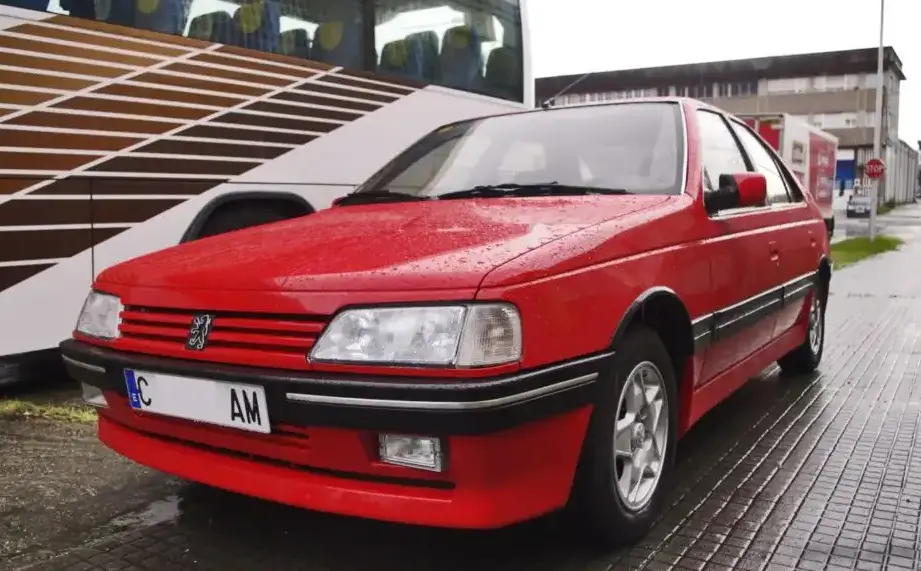
The Peugeot 405 1.6, produced between 1987 and 1992 as part of the 405 I (15B) generation, represented the entry point into Peugeot’s mid-size sedan lineup. Replacing the aging 505, the 405 aimed to offer a more modern and efficient package, appealing to a broader customer base. The 1.6-liter variant, while not the most powerful in the range, was a significant seller due to its affordability and reasonable running costs, particularly in European markets where fuel economy was a primary concern. It served as a practical and reliable family car, often chosen by those prioritizing value over outright performance. This model played a crucial role in establishing the 405 as a popular and well-regarded vehicle in its segment.
Technical Specifications
| Brand | Peugeot |
| Model | 405 |
| Generation | 405 I (15B) |
| Type (Engine) | 1.6 (72 Hp) |
| Start of production | 1987 |
| End of production | 1992 |
| Powertrain Architecture | Internal Combustion engine |
| Body type | Sedan |
| Fuel Type | Petrol (Gasoline) |
| Power | 72 Hp |
| Engine Model/Code | B1E XU51C |
| Engine aspiration | Naturally aspirated engine |
| Engine oil capacity | 4.6 l (4.86 US qt | 4.05 UK qt) |
| Coolant capacity | 6.6 l (6.97 US qt | 5.81 UK qt) |
Powertrain & Engine Architecture
The heart of the 405 1.6 was the B1E XU51C engine, a 1.580-liter (96.2 cubic inches) inline-four cylinder petrol engine. This engine was a mainstay of Peugeot and Citroën vehicles throughout the 1980s and 90s, known for its relative simplicity and durability. It featured a single overhead camshaft (SOHC) operating two valves per cylinder. Fuel delivery was managed by a Bosch L-Jetronic fuel injection system, a relatively sophisticated system for its time, contributing to improved fuel efficiency and reduced emissions compared to carbureted engines. The XU51C engine utilized a cast iron block and an aluminum cylinder head, a common construction for engines of this era. The engine’s modest 72 horsepower at 5,800 rpm and 109 lb-ft of torque at 3,500 rpm were sufficient for comfortable everyday driving, but didn’t offer particularly brisk acceleration. The engine was typically paired with a four-speed automatic transmission, although a five-speed manual gearbox was also available. The automatic transmission, while providing convenience, did impact performance and fuel economy compared to the manual version.
Driving Characteristics
The 405 1.6 automatic offered a comfortable, if uninspiring, driving experience. The four-speed automatic transmission was geared for economy rather than performance, resulting in relatively slow acceleration. The gear ratios were spaced to prioritize fuel efficiency, meaning the engine often felt strained when attempting to accelerate quickly or maintain speed on inclines. Compared to the more powerful 1.9-liter and 2.0-liter versions of the 405, the 1.6 automatic felt noticeably slower. The manual transmission version of the 1.6 offered a more engaging driving experience, allowing the driver to better utilize the engine’s available power. Steering was light and precise, typical of Peugeot vehicles, making it easy to maneuver in urban environments. The suspension provided a comfortable ride, absorbing bumps and imperfections in the road surface effectively, although it wasn’t particularly sporty in its handling characteristics. Overall, the driving experience was geared towards practicality and comfort rather than performance.
Equipment & Trim Levels
The 405 1.6 typically represented the base trim level. Standard equipment generally included cloth upholstery, a basic stereo system, and manual windows and door locks. Air conditioning was often an optional extra, as were power windows and central locking. Interior trim was functional and durable, prioritizing practicality over luxury. The dashboard layout was straightforward and easy to use, with clearly labeled controls. Higher trim levels, such as the GR and SR, added features like upgraded upholstery, alloy wheels, and more comprehensive instrumentation. The 1.6 model often served as a base for fleet sales, meaning many examples were equipped with minimal options. The exterior styling was relatively understated, with a focus on aerodynamic efficiency. Available colors typically included a range of solid and metallic paints.
Chassis & Braking
The 405 1.6 utilized a MacPherson strut front suspension and a torsion beam rear suspension. This setup provided a good balance between ride comfort and handling. The torsion beam rear suspension was a cost-effective solution, but didn’t offer the same level of sophistication as independent rear suspension found on higher-spec 405 models. Braking was typically accomplished with disc brakes on the front wheels and drum brakes on the rear wheels. The braking system was adequate for the vehicle’s weight and performance, but lacked the stopping power of more advanced systems. Steering was rack and pinion, providing precise and responsive control. The chassis was relatively lightweight, contributing to the vehicle’s fuel efficiency. Stabilizer bars were fitted to both the front and rear axles to reduce body roll during cornering.
Market Reception & Comparison
The Peugeot 405 1.6 automatic was generally well-received as a practical and affordable family car. Critics praised its comfortable ride, fuel efficiency, and reliable engine. However, the automatic transmission was often criticized for its sluggish performance and impact on fuel economy. Compared to the 1.9-liter and 2.0-liter versions of the 405, the 1.6 automatic offered less power and a less engaging driving experience. However, it was significantly more affordable to purchase and operate. The 1.6 also compared favorably to competitors such as the Ford Sierra and Vauxhall Cavalier in terms of build quality and refinement. Fuel economy was a key selling point, averaging around 30-35 mpg in mixed driving conditions. Reliability was generally good, although regular maintenance was essential to prevent issues.
Legacy
The Peugeot 405 1.6, while not the most sought-after variant, remains a relatively common sight on European roads today. The XU51C engine is known for its durability and longevity, and many examples are still running with high mileage. The 405 as a whole is remembered fondly as a well-built and reliable family car. The 1.6 automatic, while not a performance icon, provided a comfortable and affordable transportation solution for many drivers. In the used car market, the 1.6 automatic typically commands lower prices than higher-spec models, making it an attractive option for budget-conscious buyers. Parts availability is generally good, although some components may be becoming increasingly difficult to find. The 405’s influence can be seen in subsequent Peugeot models, which continued to prioritize comfort, practicality, and fuel efficiency.
