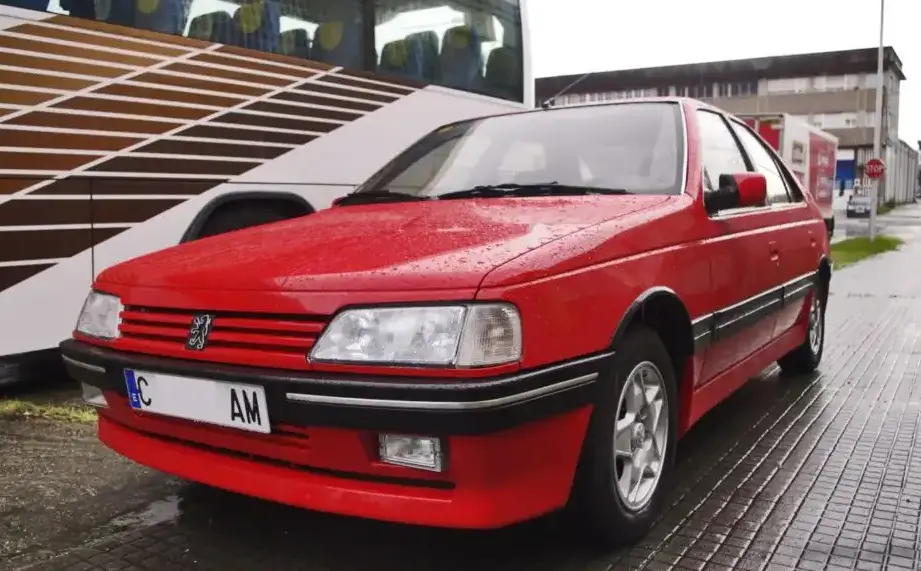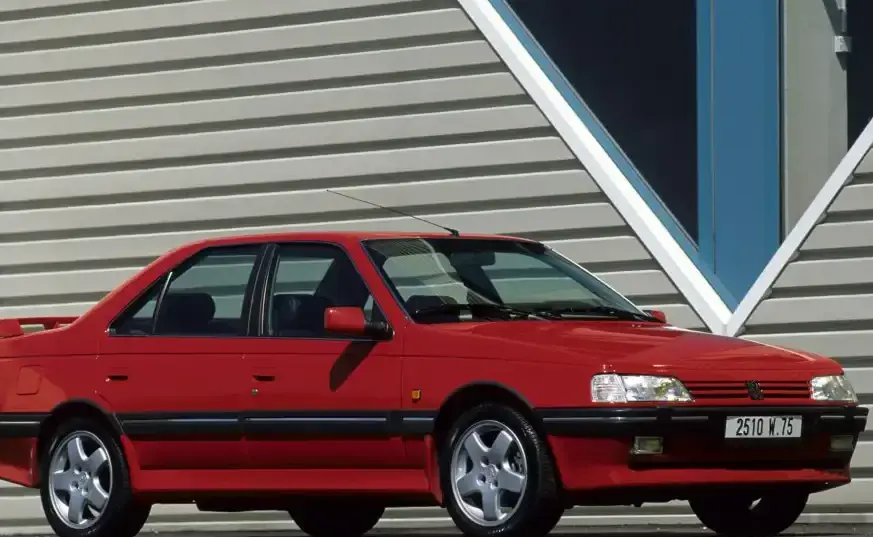
The Peugeot 405 2.0 X4, produced from 1992 to 1995, represents a notable iteration of the 405 range, particularly within the facelifted 15B series. Positioned as a mid-range offering, it aimed to balance performance and affordability within Peugeot’s lineup. The 405 itself was a crucial model for Peugeot, replacing the aging 505 and representing a move towards more modern, aerodynamic designs. This variant, with its 2.0-liter engine, offered a step up in power compared to the base models, while remaining more accessible than the higher-performance Mi16 version. It was primarily sold in European markets, where it competed with vehicles like the Ford Mondeo, Opel Vectra, and Renault 20.
Technical Specifications
| Brand | Peugeot |
| Model | 405 |
| Generation | 405 I (15B, facelift 1992) |
| Type (Engine) | 2.0 X4 (121 Hp) |
| Start of production | 1992 |
| End of production | 1995 |
| Powertrain Architecture | Internal Combustion engine |
| Body type | Sedan |
| Fuel Type | Petrol (Gasoline) |
| Power | 121 Hp |
| Engine Model/Code | RFX XU10J2C |
| Engine aspiration | Naturally aspirated engine |
| Engine oil capacity | 4.3 l (4.54 US qt | 3.78 UK qt) |
| Coolant capacity | 7 l (7.4 US qt | 6.16 UK qt) |
Powertrain & Engine Architecture
The heart of the 405 2.0 X4 is the RFX engine, part of Peugeot’s XU10J2C family. This is a 1998cc, inline-four cylinder, naturally aspirated engine. It features a cast iron block and an aluminum cylinder head, a common configuration for engines of this era aiming for durability and weight reduction. The engine utilizes a single overhead camshaft (SOHC) design operating two valves per cylinder. Fuel delivery is managed by Bosch Motronic MP1.7 multi-point fuel injection, a significant advancement over earlier carburetor systems, contributing to improved fuel efficiency and reduced emissions. The XU10J2C engine is known for its robust construction and relatively simple design, making it reasonably reliable and straightforward to maintain. The ‘X4’ designation indicates a specific tuning and equipment level, differentiating it from other XU10J2 variants. The engine’s output of 121 horsepower at approximately 5,500 rpm and 132 lb-ft of torque at 3,500 rpm provided a noticeable improvement in performance over the lower-displacement engines available in the 405 range.
Driving Characteristics
The 405 2.0 X4 offered a comfortable and capable driving experience. While not a sports sedan, the 2.0-liter engine provided sufficient power for everyday driving and overtaking maneuvers. The automatic transmission, typically a three-speed unit, was geared for economy and smooth operation rather than outright acceleration. This resulted in a more relaxed driving style, prioritizing comfort over sporty responsiveness. Compared to the five-speed manual transmission available on other 405 models, the automatic version sacrificed some performance, with slightly slower acceleration times. However, it appealed to drivers who preferred the convenience of an automatic gearbox, particularly in urban environments. The automatic transmission’s shift points were generally well-programmed for typical driving conditions, although it could sometimes feel hesitant during quick acceleration. The overall driving experience was characterized by a comfortable ride, thanks to the 405’s well-tuned suspension, and predictable handling.
Equipment & Trim Levels
The 2.0 X4 trim level placed the 405 in a comfortable middle ground. Standard equipment typically included central locking, power windows, and a basic audio system. Interior upholstery was usually cloth, available in a range of colors. The dashboard layout was functional and straightforward, with clearly labeled controls. Optional extras included air conditioning, a sunroof, and upgraded audio systems. The X4 trim also often featured upgraded interior trim details compared to the base models. The exterior styling was relatively understated, with body-colored bumpers and door handles. The 405 2.0 X4 aimed to provide a good balance of features and affordability, appealing to buyers who wanted a well-equipped and comfortable sedan without the higher price tag of the more luxurious trims.
Chassis & Braking
The 405 2.0 X4 utilized a MacPherson strut front suspension and a torsion beam rear suspension. This setup provided a good balance of ride comfort and handling. The front suspension featured an anti-roll bar, contributing to reduced body roll during cornering. Braking was typically accomplished with disc brakes on the front wheels and drum brakes on the rear wheels. This configuration was common for vehicles in this class during the early 1990s. The braking system was generally effective for everyday driving, although it lacked the stopping power of more advanced systems with four-wheel disc brakes. Steering was rack-and-pinion, providing precise and responsive steering feel. The chassis was designed to provide a stable and predictable driving experience, prioritizing comfort and safety.
Market Reception & Comparison
The Peugeot 405 2.0 X4 was generally well-received by automotive critics. It was praised for its comfortable ride, spacious interior, and reliable engine. However, some critics noted that the automatic transmission could feel sluggish at times, and the interior styling was somewhat dated compared to some of its competitors. Compared to the 405 SRi with the manual transmission, the X4 automatic offered less performance but greater convenience. Against rivals like the Ford Mondeo and Opel Vectra, the 405 2.0 X4 offered a competitive package in terms of price, features, and reliability. Fuel economy was respectable for the time, averaging around 25-30 mpg in mixed driving conditions. The 405’s reputation for durability and relatively low maintenance costs also contributed to its popularity.
Legacy
The Peugeot 405 2.0 X4, and the XU10J2C engine in general, has proven to be a remarkably durable powertrain. Many examples are still on the road today, a testament to their robust construction and relatively simple design. The XU10J2C engine is known for its longevity and ability to withstand high mileage. In the used car market, the 405 2.0 X4 remains a relatively affordable and practical option for those seeking a classic European sedan. Parts availability is generally good, although some specific trim pieces may be difficult to find. The 405’s enduring appeal lies in its combination of comfort, reliability, and understated style. It represents a significant chapter in Peugeot’s history and remains a popular choice among enthusiasts and collectors.