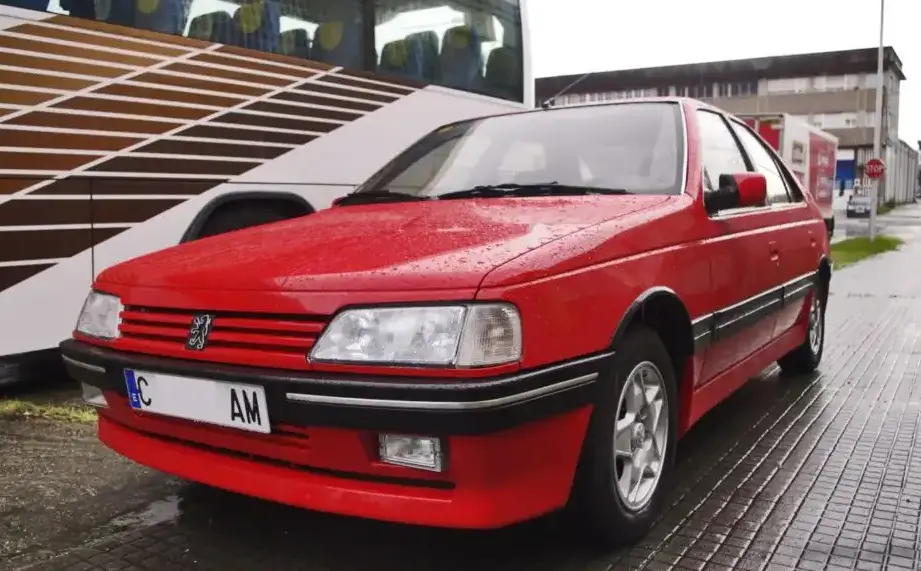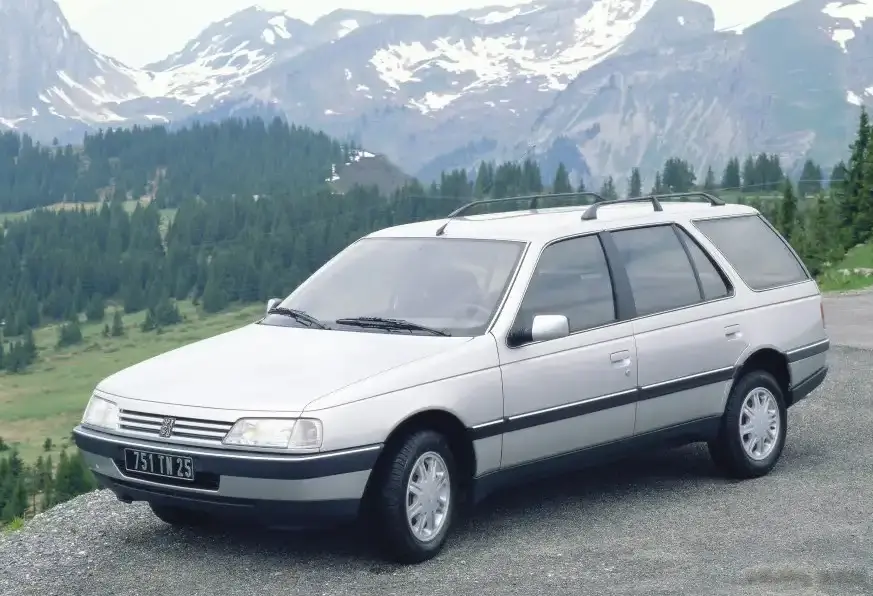
The Peugeot 405 Break 1.6, produced between 1988 and 1992, represents a practical and economical variant within the broader 405 range. As a station wagon (estate) version of the popular 405, the 1.6-liter model – designated internally as the 15E – aimed to provide family-oriented buyers with a spacious and reliable vehicle. It occupied the entry-level position in the Break lineup, offering a more affordable alternative to the higher-specification 1.9 and 2.0-liter models. The 405 itself was a significant vehicle for Peugeot, replacing the aging 505 and representing a move towards more modern design and engineering. The Break body style, in particular, was popular in Europe, catering to a demand for versatile vehicles capable of handling both passenger and cargo needs.
Technical Specifications
| Brand | Peugeot |
| Model | 405 |
| Generation | 405 I Break (15E) |
| Type (Engine) | 1.6 (75 Hp) |
| Start of production | 1988 |
| End of production | 1992 |
| Powertrain Architecture | Internal Combustion engine |
| Body type | Station wagon (estate) |
| Fuel Type | Petrol (Gasoline) |
| Power | 75 Hp |
| Engine Model/Code | BAZ XU5CP |
| Engine aspiration | Naturally aspirated engine |
| Engine oil capacity | 5 l (5.28 US qt | 4.4 UK qt) |
| Coolant capacity | 6.5 l (6.87 US qt | 5.72 UK qt) |
Powertrain & Engine Architecture
The heart of the 405 Break 1.6 is the BAZ XU5CP engine, a 1.580-liter (96.2 cubic inches) inline-four cylinder petrol engine. This engine is a naturally aspirated unit, meaning it doesn’t employ a turbocharger or supercharger. It features a cast iron block and an aluminum cylinder head, a common configuration for engines of this era. The XU5CP utilizes a single overhead camshaft (SOHC) valvetrain, operating two valves per cylinder. Fuel delivery is managed by a Bosch mechanical fuel injection system, a relatively simple and robust setup compared to later electronic fuel injection systems. While not particularly powerful, the XU5CP engine is known for its durability and relatively low maintenance requirements. The engine’s output of 75 horsepower (56 kW) at 5,800 rpm and 118 Nm (87 lb-ft) of torque at 3,500 rpm is modest, but sufficient for everyday driving. The engine was typically paired with a four-speed automatic transmission, although a five-speed manual gearbox was also available. The automatic transmission, while offering convenience, contributes to slightly slower acceleration times and reduced fuel economy compared to the manual version.
Driving Characteristics
The 405 Break 1.6 with the automatic transmission delivers a comfortable, if unhurried, driving experience. Acceleration is adequate for merging onto highways and overtaking slower traffic, but it’s not a particularly sporty vehicle. The four-speed automatic transmission has relatively widely spaced gear ratios, which can result in the engine feeling strained during hard acceleration. The automatic transmission’s shift points are calibrated for fuel economy rather than performance. In real-world conditions, the 0-60 mph time is estimated to be around 13-14 seconds. The suspension, while tuned for comfort, provides reasonable handling characteristics. The Break’s longer wheelbase and increased weight compared to the saloon version do contribute to a slightly softer and more forgiving ride. Compared to the 1.9 and 2.0-liter versions, the 1.6 automatic is noticeably slower and less responsive. The manual transmission versions of the 1.6 offer a more engaging driving experience and slightly improved fuel economy.
Equipment & Trim Levels
The 405 Break 1.6 typically came equipped with a fairly basic level of standard features. Interior upholstery was generally cloth, with a simple dashboard layout. Standard equipment included power steering, central locking, and electric front windows. Air conditioning was often an optional extra. The trim level, while not explicitly designated with a specific name, generally reflected the entry-level positioning of the 1.6 model. Optional extras included a sunroof, upgraded audio system, and alloy wheels. The interior plastics were durable but not particularly luxurious, reflecting the vehicle’s price point. The Break’s spacious interior and large cargo area were key selling points, offering ample room for families and their belongings.
Chassis & Braking
The 405 Break utilizes a MacPherson strut front suspension and a torsion beam rear suspension. This setup provides a good balance between ride comfort and handling. The front brakes are disc brakes, while the rear brakes are typically drum brakes, a cost-saving measure for the entry-level models. Stabilizer bars are fitted to both the front and rear axles, helping to reduce body roll during cornering. The steering is rack and pinion, providing precise and responsive steering feel. The chassis is relatively lightweight, contributing to the vehicle’s overall fuel efficiency. The braking system is adequate for everyday driving, but it lacks the stopping power of the higher-specification models with larger brakes.
Market Reception & Comparison
The Peugeot 405 Break 1.6 was generally well-received by critics as a practical and affordable family vehicle. It was praised for its spacious interior, comfortable ride, and reliable engine. However, it was also criticized for its lack of power and relatively slow acceleration. Compared to other station wagons in its class, such as the Ford Mondeo and Vauxhall/Opel Vectra Estate, the 405 Break 1.6 offered a competitive level of equipment and fuel economy. The 1.9 and 2.0-liter versions of the 405 Break offered significantly improved performance, but at a higher price point. Fuel economy for the 1.6 automatic is typically around 28-32 mpg (US), depending on driving conditions. Reliability is generally good, with the XU5CP engine being known for its longevity.
Legacy
The Peugeot 405 Break 1.6 remains a popular choice among classic car enthusiasts and those seeking an affordable and reliable estate car. The XU5CP engine is known for its durability and relatively low maintenance costs. Parts availability is generally good, although some specific trim pieces may be difficult to find. The 405 Break 1.6 represents a significant chapter in Peugeot’s history, showcasing the brand’s commitment to building practical and well-engineered vehicles. In the used car market today, these vehicles are often sought after for their simplicity, reliability, and spaciousness. While not a performance icon, the 405 Break 1.6 provides a comfortable and economical transportation option for those who appreciate classic French automotive design.