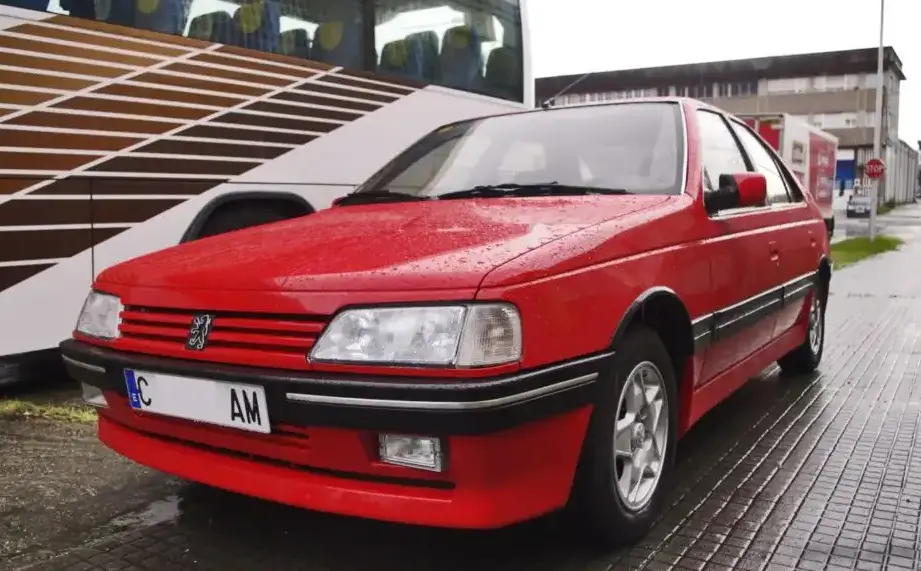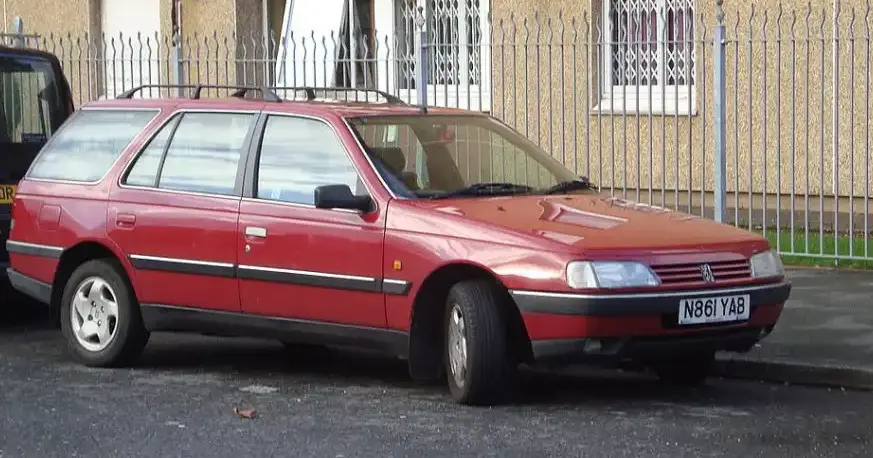
The Peugeot 405 I Break 1.9D, specifically the facelifted version produced from 1992 to 1996 (designated 15E), represented a practical and economical offering within the broader 405 range. Positioned as an entry-level variant of the Break (estate) body style, it catered to buyers prioritizing fuel efficiency and load-carrying capacity over outright performance. The 405 series itself was a significant model for Peugeot, replacing the aging 505 and aiming to provide a more modern and competitive vehicle in the mid-size family car segment. This particular diesel-powered Break found its primary market in Europe, where diesel engines enjoyed considerable popularity due to favorable taxation and fuel economy.
Technical Specifications
| Brand | Peugeot |
| Model | 405 |
| Generation | 405 I Break (15E, facelift 1992) |
| Type (Engine) | 1.9 D (64 Hp) |
| Start of production | 1992 |
| End of production | 1996 |
| Powertrain Architecture | Internal Combustion engine |
| Body type | Station wagon (estate) |
| Fuel Type | Diesel |
| Power | 64 Hp |
| Engine Model/Code | DJZ XUD9 |
| Engine aspiration | Naturally aspirated engine |
| Engine oil capacity | 4 l (4.23 US qt | 3.52 UK qt) |
| Coolant capacity | 7.8 l (8.24 US qt | 6.86 UK qt) |
Powertrain & Engine Architecture
The heart of the 405 I Break 1.9D was the XUD9 diesel engine, specifically the DJZ variant. This engine was a mainstay of Peugeot and Citroën vehicles throughout the 1980s and 1990s, renowned for its durability and fuel efficiency, if not its refinement. The XUD9 is a 1.9-liter (1898cc) inline-four cylinder engine featuring indirect injection. The DJZ version, producing 64 horsepower, utilized a Bosch mechanical fuel injection system. This system, while effective, was relatively basic compared to later electronic diesel injection systems. The engine employed a single overhead camshaft (SOHC) operating two valves per cylinder. The relatively low compression ratio (typically around 23:1) contributed to the engine’s longevity but also limited its power output. The engine was typically paired with a five-speed manual transmission, though a three-speed automatic transmission was also available, albeit less common. The automatic transmission, while offering convenience, further reduced performance and increased fuel consumption.
Driving Characteristics
The 1.9D engine in the 405 Break delivered modest performance. With 64 horsepower and approximately 109 lb-ft of torque, acceleration was leisurely, particularly when equipped with the automatic transmission. The engine’s strength lay in its low-end torque, making it suitable for hauling loads and navigating hilly terrain, but it lacked the responsiveness of higher-powered variants like the 2.0-liter gasoline engines. The five-speed manual transmission allowed drivers to extract the most from the engine, while the automatic, though convenient, resulted in noticeable power loss and slower gear changes. The suspension, tuned for comfort, provided a reasonably smooth ride, but the car’s weight and the engine’s limited power meant it wasn’t particularly engaging to drive. Gear ratios in the manual transmission were spaced to maximize fuel economy, prioritizing usability over sporty performance.
Equipment & Trim Levels
The 1.9D Break typically represented the base trim level within the 405 Break range. Standard equipment generally included cloth upholstery, basic instrumentation, and manual windows and door locks. Air conditioning was often an optional extra, as were power windows and central locking. The interior design was functional and durable, prioritizing practicality over luxury. Dashboard configuration was relatively simple, with a focus on clear and easy-to-read gauges. Higher trim levels, such as the GR or SR, offered additional features like upgraded upholstery, alloy wheels, and more comprehensive instrumentation. The Break body style, regardless of trim, offered a generous cargo capacity, making it a popular choice for families and those requiring a versatile vehicle.
Chassis & Braking
The 405 I Break utilized a MacPherson strut front suspension and a torsion beam rear suspension. This setup provided a good balance between ride comfort and handling. The front brakes were typically disc brakes, while the rear brakes were often drum brakes, particularly on the base 1.9D model. Higher trim levels sometimes featured rear disc brakes. Stabilizer bars were fitted to both the front and rear axles to reduce body roll during cornering. Steering was rack and pinion, providing reasonably precise control. The chassis was designed to accommodate the increased weight of the Break body style while maintaining a reasonable level of stability and handling.
Market Reception & Comparison
The Peugeot 405 I Break 1.9D was generally well-received as a practical and economical family car. Critics praised its fuel efficiency and spacious interior, but noted its lack of performance and refinement compared to gasoline-powered rivals. Compared to the 2.0-liter gasoline versions of the 405 Break, the 1.9D offered significantly lower fuel consumption but considerably less power. The 1.9D also differed from the more powerful diesel variants, such as the 2.1 TD, which offered substantially more performance but at the cost of increased fuel consumption and potentially reduced reliability. The 1.9D appealed to buyers who prioritized economy and practicality over driving excitement.
Legacy
The XUD9 engine, found in the 405 I Break 1.9D, has earned a reputation for exceptional durability. Many examples of this engine have exceeded 200,000 miles with proper maintenance. However, age and accumulated mileage can lead to issues such as injector wear, turbocharger failure (on the turbocharged versions), and oil leaks. In the used car market today, the 405 I Break 1.9D is considered a relatively affordable and reliable classic. Its simplicity and robust construction make it a popular choice for those seeking a practical and economical vintage vehicle. Parts availability can be a challenge, but many components are still available through specialist suppliers and online marketplaces. The 405 Break, in all its variants, remains a fondly remembered vehicle, representing a high point in Peugeot’s design and engineering history.