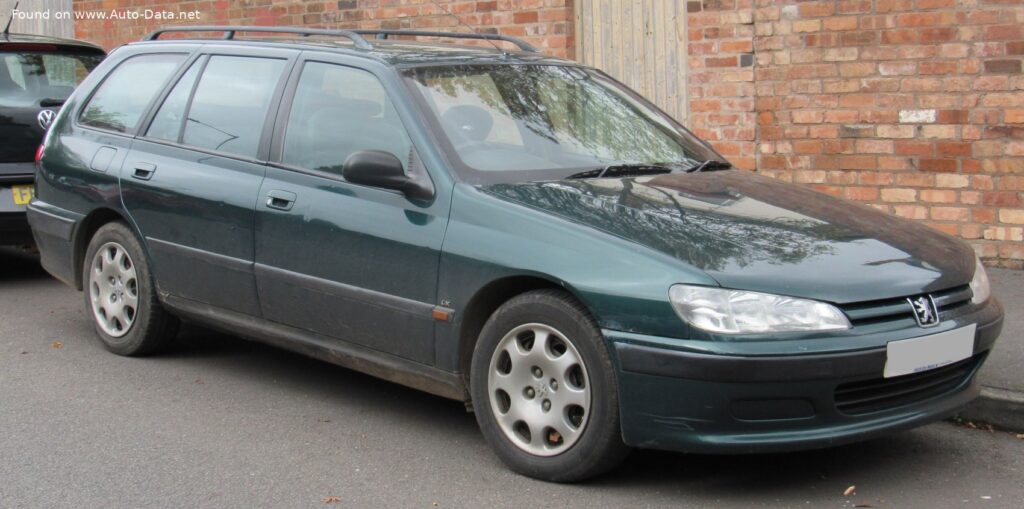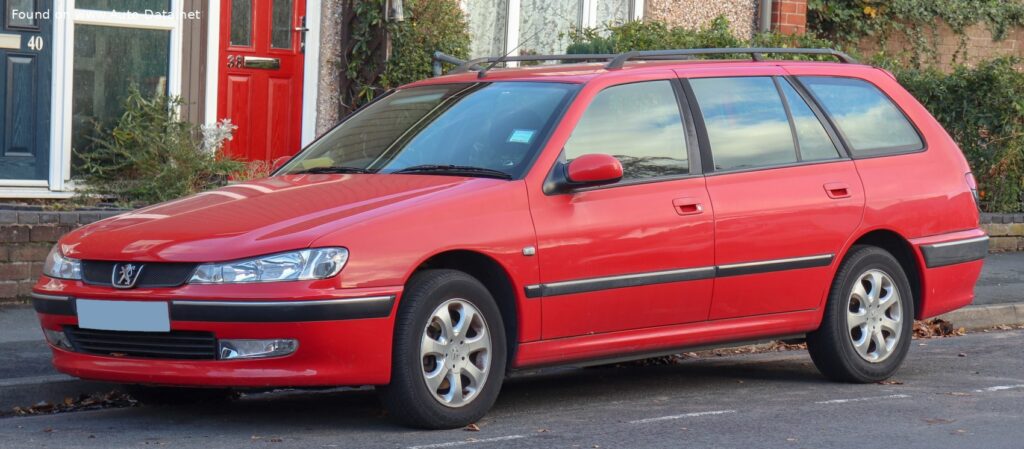
The Peugeot 406 Break, specifically the Phase II model produced from 2001 to 2004, represents a significant offering in the European mid-size station wagon segment. As a practical and stylish vehicle, the 406 Break catered to families and individuals needing ample cargo space combined with Peugeot’s reputation for comfortable driving. While not officially sold in the United States, the 406, in its various forms, was a popular choice across Europe, known for its blend of affordability, reliability, and relatively sophisticated engineering for its time. The 2.0 HPi variant, equipped with a 140 horsepower engine, provided a balance between performance and fuel economy, making it a versatile option for everyday use.
Peugeot 406 Break (Phase II): A Detailed Overview
The 406 Break Phase II built upon the success of the original 406, introducing refinements to both the exterior styling and interior appointments. The “Break” designation signifies the station wagon (estate) body style, offering a larger cargo area than the sedan version. This model year saw updates to the engine range, including the introduction of the 2.0 HPi engine, which utilized direct fuel injection to improve efficiency and power delivery. The Phase II also incorporated minor cosmetic changes and enhancements to safety features, solidifying its position as a competitive vehicle in the European market.
Engine & Performance
The heart of the 406 Break 2.0 HPi is a 1997cc (121.86 cubic inches) inline-four cylinder engine. This engine, designated RLZ EW10D, produces 140 horsepower at 6000 rpm and 192 Nm (141.61 lb-ft) of torque at 4000 rpm. The engine’s direct fuel injection system, a relatively advanced feature for its time, contributes to improved fuel efficiency and a more responsive driving experience. Power per liter is rated at 70.1 hp/l. The engine is transversely mounted at the front of the vehicle, driving the front wheels. Acceleration from 0 to 100 km/h (0-62 mph) takes 10.8 seconds, while 0 to 60 mph is achieved in approximately 10.3 seconds. The vehicle boasts a maximum speed of 203 km/h (126.14 mph). The weight-to-power ratio is 10 kg/Hp, and the weight-to-torque ratio is 7.3 kg/Nm, indicating a reasonably efficient power delivery for its class.
Design & Features
The Peugeot 406 Break Phase II is a five-door, five-seat station wagon. Its exterior design is characterized by flowing lines and a relatively understated elegance, typical of French automotive styling of the era. The Break body style provides a substantial cargo area, with a minimum capacity of 525 liters (18.54 cubic feet) expanding to a maximum of 1740 liters (61.45 cubic feet) with the rear seats folded down. This versatility made it a practical choice for families and those requiring significant carrying capacity.
Inside, the 406 Break offered a comfortable and well-equipped cabin for its time. Standard features typically included power steering, ABS (Anti-lock Braking System), and a five-speed manual transmission. The interior materials were of reasonable quality, and the driving position was generally considered comfortable. While not boasting the advanced infotainment systems found in modern vehicles, the 406 Break provided essential amenities and a focus on driver and passenger comfort. Safety features, while limited by the standards of today, included ABS and a robust body structure designed to provide occupant protection in the event of a collision.
Technical Specifications
| Brand | Peugeot |
| Model | 406 |
| Generation | 406 Break (Phase II, 1999) |
| Type (Engine) | 2.0 HPi (140 Hp) |
| Start of production | 2001 |
| End of production | 2004 |
| Powertrain Architecture | Internal Combustion engine |
| Body type | Station wagon (estate) |
| Seats | 5 |
| Doors | 5 |
| Fuel consumption (urban) | 10.4 l/100 km (22.6 US mpg / 27.2 UK mpg / 9.6 km/l) |
| Fuel consumption (extra urban) | 6.2 l/100 km (37.9 US mpg / 45.6 UK mpg / 16.1 km/l) |
| Fuel consumption (combined) | 7.7 l/100 km (30.5 US mpg / 36.7 UK mpg / 13 km/l) |
| Fuel Type | Petrol (Gasoline) |
| Acceleration 0 – 100 km/h | 10.8 sec |
| Acceleration 0 – 62 mph | 10.8 sec |
| Acceleration 0 – 60 mph | 10.3 sec |
| Maximum speed | 203 km/h (126.14 mph) |
| Weight-to-power ratio | 10 kg/Hp |
| Weight-to-torque ratio | 7.3 kg/Nm |
| Power | 140 Hp @ 6000 rpm |
| Power per litre | 70.1 Hp/l |
| Torque | 192 Nm @ 4000 rpm (141.61 lb.-ft. @ 4000 rpm) |
| Engine layout | Front, Transverse |
| Engine Model/Code | RLZ EW10D |
| Engine displacement | 1997 cm3 (121.86 cu. in.) |
| Number of cylinders | 4 |
| Engine configuration | Inline |
| Cylinder Bore | 85 mm (3.35 in.) |
| Piston Stroke | 88 mm (3.46 in.) |
| Compression ratio | 11.4:1 |
| Number of valves per cylinder | 4 |
| Fuel injection system | Direct injection |
| Engine aspiration | Naturally aspirated |
| Valvetrain | DOHC |
| Engine oil capacity | 4.25 l (4.49 US qt | 3.74 UK qt) |
| Coolant | 7 l (7.4 US qt | 6.16 UK qt) |
| Kerb Weight | 1400 kg (3086.47 lbs.) |
| Max. weight | 2050 kg (4519.48 lbs.) |
| Max load | 650 kg (1433 lbs.) |
| Trunk (boot) space – minimum | 525 l (18.54 cu. ft.) |
| Trunk (boot) space – maximum | 1740 l (61.45 cu. ft.) |
| Fuel tank capacity | 70 l (18.49 US gal | 15.4 UK gal) |
| Length | 4735 mm (186.42 in.) |
| Width | 1765 mm (69.49 in.) |
| Height | 1500 mm (59.06 in.) |
| Wheelbase | 2700 mm (106.3 in.) |
| Front track | 1500 mm (59.06 in.) |
| Rear track | 1480 mm (58.27 in.) |
| Minimum turning circle | 11.95 m (39.21 ft.) |
| Drivetrain Architecture | Front wheel drive |
| Number of gears | 5 gears, manual transmission |
| Front suspension | Independent, type McPherson with coil spring and anti-roll bar |
| Rear suspension | Independent multi-link spring suspension with stabilizer |
| Front brakes | Ventilated discs |
| Rear brakes | Disc |
| Assisting systems | ABS (Anti-lock braking system) |
| Steering type | Steering rack and pinion |
| Power steering | Hydraulic |
| Tires size | 195/65 R15 |
| Wheel rims size | 15 |