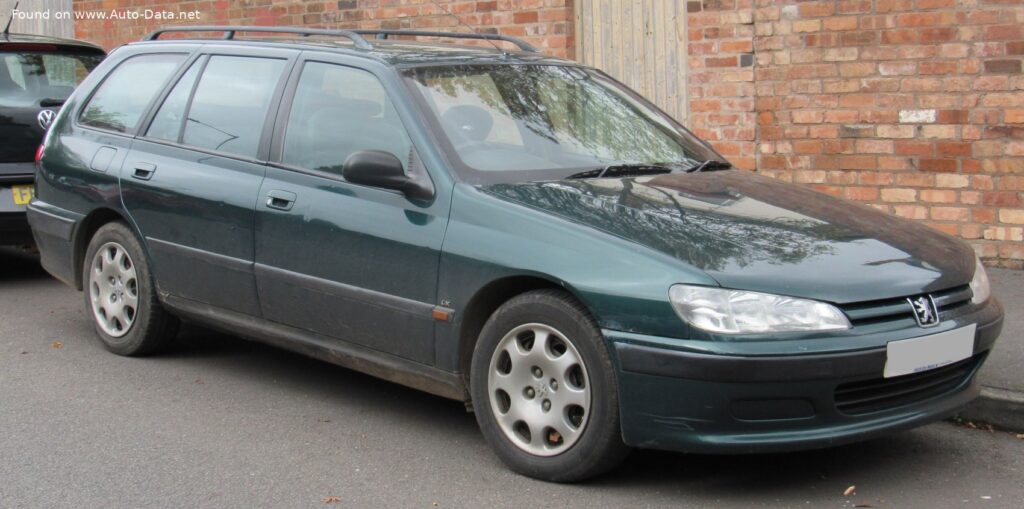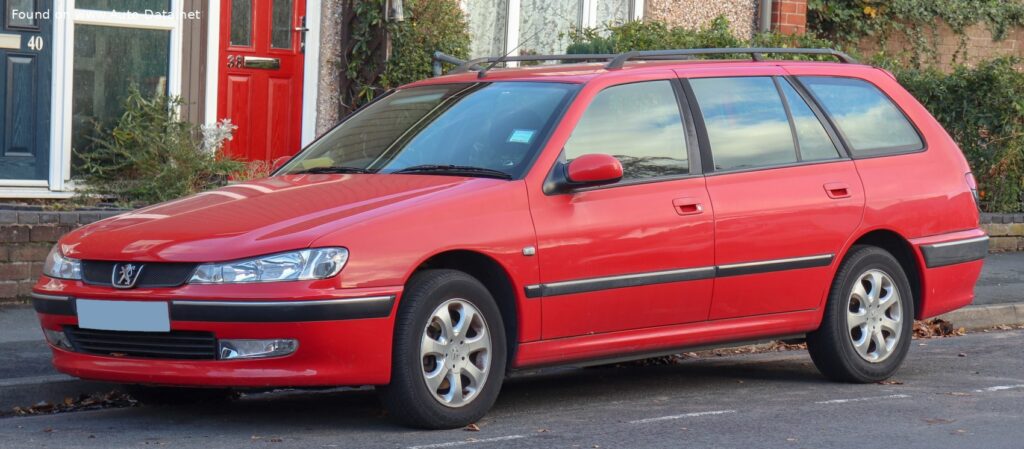
The Peugeot 406 Break, specifically the Phase II model produced from 1999 to 2004, represents a significant offering from the French automaker in the mid-size station wagon segment. While not officially sold in the United States, the 406 held a prominent position in the European market, competing with vehicles like the Ford Mondeo Estate, Volkswagen Passat Variant, and Renault Laguna Estate. The “Break” designation, traditional for Peugeot, signifies the station wagon body style, emphasizing practicality and cargo capacity. This generation, the Phase II, brought refinements to the original 406, including updated styling, improved safety features, and the introduction of more efficient engine options, notably the 2.2 HDi diesel engine discussed here.
Peugeot 406 Break (Phase II): A Detailed Overview
The 406 Break Phase II aimed to provide a blend of comfort, practicality, and reasonable performance for families and individuals needing a versatile vehicle. It was positioned as a step up from Peugeot’s smaller offerings, offering more space and refinement. The 2.2 HDi variant, with its direct injection diesel engine, was particularly popular in Europe due to its fuel efficiency and torque characteristics, making it well-suited for long-distance travel. The Phase II updates included subtle cosmetic changes, such as revised headlights and grille, along with improvements to the interior trim and equipment levels.
Engine & Performance
The heart of the 406 Break 2.2 HDi is a 2.2-liter inline-four cylinder diesel engine, designated 4HX DW12TED4. This engine produces 133 horsepower at 4000 rpm and a substantial 314 Nm (231.59 lb.-ft.) of torque at 2000 rpm. The engine utilizes a turbocharger with an intercooler to enhance power output and efficiency. A diesel commonrail fuel injection system ensures precise fuel delivery, contributing to improved combustion and reduced emissions. The engine’s transverse mounting within the front-wheel-drive configuration optimizes space utilization. Performance figures include a 0-100 km/h (0-62 mph) acceleration time of 11.3 seconds and a top speed of 201 km/h (124.9 mph). The weight-to-power ratio of 11 kg/Hp and weight-to-torque ratio of 4.6 kg/Nm demonstrate a reasonable balance between power and vehicle mass. The engine’s displacement of 2179 cm3 (132.97 cu. in.) and compression ratio of 18:1 are typical for a high-efficiency diesel engine of this era.
Design & Features
The Peugeot 406 Break is a five-door, five-seat station wagon (estate). Its design, penned by Pininfarina, is characterized by flowing lines and a relatively understated elegance. The Phase II model received minor styling updates, primarily focused on the front fascia. The interior prioritizes practicality and comfort, offering ample space for passengers and cargo. A key feature of the Break model is its generous cargo capacity. With the rear seats in place, the trunk offers 525 liters (18.54 cu. ft.) of space, expanding to a substantial 1740 liters (61.45 cu. ft.) when the rear seats are folded down. Safety features for the time included ABS (Anti-lock Braking System) as standard equipment. The vehicle utilizes an independent McPherson strut front suspension and an independent multi-link rear suspension, providing a comfortable ride and reasonable handling characteristics. Hydraulic power steering contributes to ease of maneuverability. The 406 Break Phase II offered a good level of equipment for its price point, including features like power windows, central locking, and air conditioning on higher trim levels.
Technical Specifications
| Brand | Peugeot |
| Model | 406 |
| Generation | 406 Break (Phase II, 1999) |
| Type (Engine) | 2.2 HDi (133 Hp) |
| Start of production | 2000 |
| End of production | 2004 |
| Powertrain Architecture | Internal Combustion engine |
| Body type | Station wagon (estate) |
| Seats | 5 |
| Doors | 5 |
| Fuel consumption (urban) | 8.8 l/100 km (26.7 US mpg, 32.1 UK mpg, 11.4 km/l) |
| Fuel consumption (extra urban) | 5.1 l/100 km (46.1 US mpg, 55.4 UK mpg, 19.6 km/l) |
| Fuel consumption (combined) | 6.5 l/100 km (36.2 US mpg, 43.5 UK mpg, 15.4 km/l) |
| Fuel Type | Diesel |
| Acceleration 0 – 100 km/h | 11.3 sec |
| Acceleration 0 – 62 mph | 11.3 sec |
| Acceleration 0 – 60 mph | 10.7 sec |
| Maximum speed | 201 km/h (124.9 mph) |
| Weight-to-power ratio | 11 kg/Hp |
| Weight-to-torque ratio | 4.6 kg/Nm |
| Power | 133 Hp @ 4000 rpm |
| Torque | 314 Nm @ 2000 rpm (231.59 lb.-ft. @ 2000 rpm) |
| Engine layout | Front, Transverse |
| Engine Model/Code | 4HX DW12TED4 |
| Engine displacement | 2179 cm3 (132.97 cu. in.) |
| Number of cylinders | 4 |
| Engine configuration | Inline |
| Cylinder Bore | 85 mm (3.35 in.) |
| Piston Stroke | 96 mm (3.78 in.) |
| Compression ratio | 18:1 |
| Number of valves per cylinder | 4 |
| Fuel injection system | Diesel Commonrail |
| Engine aspiration | Turbocharger, Intercooler |
| Valvetrain | DOHC |
| Engine oil capacity | 4.5 l (4.76 US qt | 3.96 UK qt) |
| Coolant | 9.7 l (10.25 US qt | 8.53 UK qt) |
| Kerb Weight | 1460 kg (3218.75 lbs.) |
| Max. weight | 2110 kg (4651.75 lbs.) |
| Max load | 650 kg (1433 lbs.) |
| Trunk (boot) space – minimum | 525 l (18.54 cu. ft.) |
| Trunk (boot) space – maximum | 1740 l (61.45 cu. ft.) |
| Fuel tank capacity | 70 l (18.49 US gal | 15.4 UK gal) |
| Length | 4735 mm (186.42 in.) |
| Width | 1765 mm (69.49 in.) |
| Height | 1500 mm (59.06 in.) |
| Wheelbase | 2700 mm (106.3 in.) |
| Front track | 1500 mm (59.06 in.) |
| Rear (Back) track | 1480 mm (58.27 in.) |
| Minimum turning circle | 11.95 m (39.21 ft.) |
| Drivetrain Architecture | Front wheel drive |
| Number of gears | 5 gears, manual transmission |
| Front suspension | Independent, type McPherson with coil spring and anti-roll bar |
| Rear suspension | Independent multi-link spring suspension with stabilizer |
| Front brakes | Ventilated discs |
| Rear brakes | Disc |
| Assisting systems | ABS (Anti-lock braking system) |
| Steering type | Steering rack and pinion |
| Power steering | Hydraulic Steering |
| Tires size | 195/65 R15 |
| Wheel rims size | 15 |