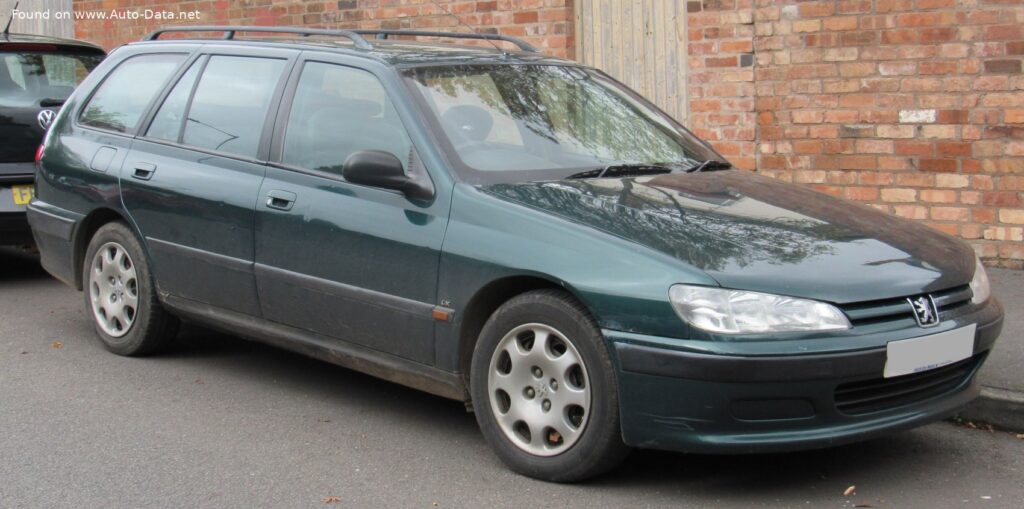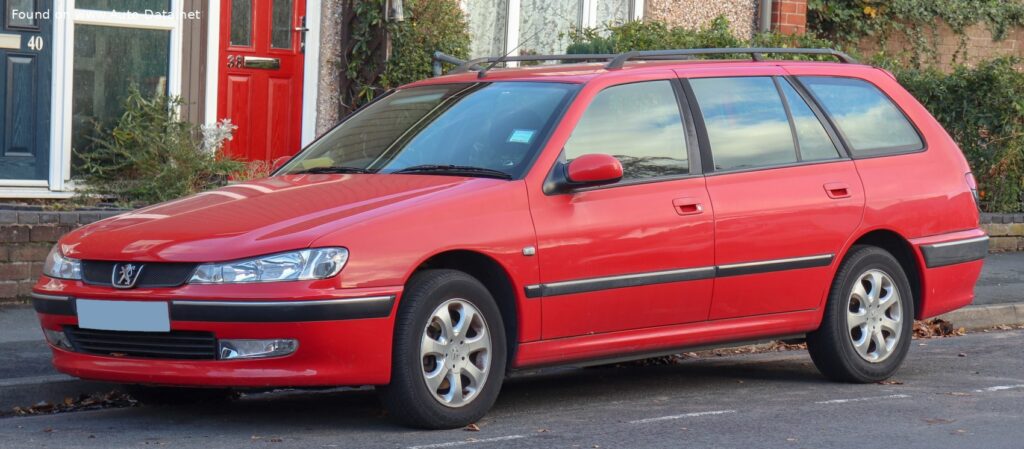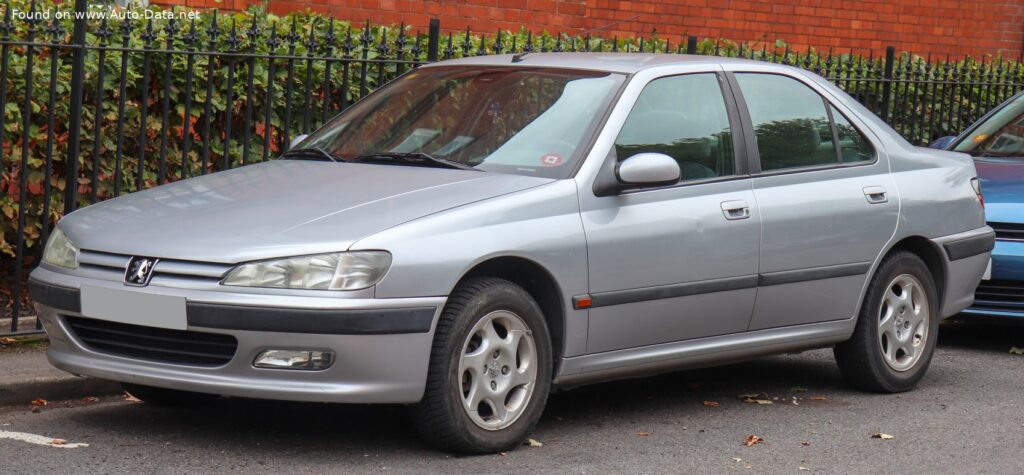
The Peugeot 406, launched in 1995, represented a significant step forward for the French manufacturer, aiming to compete directly with established mid-size offerings from Germany, the UK, and other European nations. The 406, specifically the Phase I models produced between 1995 and 1999, was a large family car available in saloon (sedan), estate (wagon), and coupé body styles. This article focuses on the 1.6-liter engine variant, a popular choice in many European markets, and details its technical specifications and characteristics. While not officially sold in the United States, the 406 provides a compelling example of 1990s European automotive engineering, prioritizing comfort, practicality, and a relatively affordable price point.
Peugeot 406: A European Family Sedan
The Peugeot 406 was designed to replace the aging Peugeot 405, offering a more modern and refined experience. It quickly gained popularity in Europe for its comfortable ride, spacious interior, and distinctive styling. The Phase I models, produced from 1995 to 1999, established the 406’s reputation. The 1.6-liter engine option was positioned as the entry-level powertrain, appealing to buyers seeking economical transportation without sacrificing the overall quality and features of the 406 range. It was a common sight on European roads, serving as a reliable and practical family vehicle.
Engine & Performance
The 1995 Peugeot 406 1.6 is powered by a 1.6-liter (1580 cm3 or 96.42 cu. in.) inline four-cylinder gasoline engine, designated BFZ XU5JP. This naturally aspirated engine produces 88 horsepower (Hp) at 6000 rpm and 130 Newton-meters (95.88 lb.-ft.) of torque at 2600 rpm. The engine features a multi-port fuel injection system and an overhead camshaft (OHC) valvetrain with two valves per cylinder. While not a performance-oriented engine, it provided adequate power for everyday driving.
Performance figures reflect the engine’s focus on efficiency and usability. Acceleration from 0 to 100 km/h (0-62 mph) takes 15.7 seconds, while 0 to 60 mph is achieved in approximately 14.9 seconds. The top speed is rated at 175 km/h (108.74 mph). The weight-to-power ratio is 14.9 kg/Hp, and the weight-to-torque ratio is 10.1 kg/Nm. The engine’s power output translates to 55.7 Hp per liter, indicating a relatively modest specific output. The engine is paired with a five-speed manual transmission, driving the front wheels.
Design & Features
The Peugeot 406 Phase I is a four-door sedan with a classic three-box design. Its exterior styling, penned by Pininfarina, was considered elegant and modern for its time. The car offers seating for five passengers and a trunk (boot) capacity of 430 liters (15.19 cu. ft.).
Safety features for the 1995 model year were relatively basic by modern standards, but included an Anti-lock Braking System (ABS) as standard equipment. The braking system utilizes ventilated discs on the front wheels and drum brakes on the rear. Steering is rack and pinion with hydraulic power assistance. The suspension consists of a wishbone setup at the front and a multi-lever arrangement at the rear, designed to provide a comfortable ride. The vehicle rides on 185/70 R14 tires. Interior features focused on practicality and comfort, with cloth upholstery and basic amenities. The 406 prioritized a comfortable driving experience and a spacious cabin for passengers.
Technical Specifications
| Brand | Peugeot |
| Model | 406 |
| Generation | 406 (Phase I, 1995) |
| Type (Engine) | 1.6 (88 Hp) |
| Start of production | 1995 |
| End of production | 1999 |
| Powertrain Architecture | Internal Combustion engine |
| Body type | Sedan |
| Seats | 5 |
| Doors | 4 |
| Fuel consumption (combined) | 7.7 l/100 km |
| Fuel consumption (US mpg) | 30.5 US mpg |
| Fuel consumption (UK mpg) | 36.7 UK mpg |
| Fuel consumption (km/l) | 13 km/l |
| Fuel Type | Petrol (Gasoline) |
| Acceleration 0 – 100 km/h | 15.7 sec |
| Acceleration 0 – 62 mph | 15.7 sec |
| Acceleration 0 – 60 mph | 14.9 sec |
| Maximum speed | 175 km/h (108.74 mph) |
| Weight-to-power ratio | 14.9 kg/Hp |
| Weight-to-torque ratio | 10.1 kg/Nm |
| Power | 88 Hp @ 6000 rpm |
| Power per litre | 55.7 Hp/l |
| Torque | 130 Nm @ 2600 rpm (95.88 lb.-ft. @ 2600 rpm) |
| Engine layout | Front, Transverse |
| Engine Model/Code | BFZ XU5JP |
| Engine displacement | 1580 cm3 (96.42 cu. in.) |
| Number of cylinders | 4 |
| Engine configuration | Inline |
| Cylinder Bore | 83 mm (3.27 in.) |
| Piston Stroke | 73 mm (2.87 in.) |
| Compression ratio | 9.2:1 |
| Number of valves per cylinder | 2 |
| Fuel injection system | Multi-port manifold injection |
| Engine aspiration | Naturally aspirated |
| Valvetrain | OHC |
| Engine oil capacity | 4.25 l (4.49 US qt | 3.74 UK qt) |
| Coolant capacity | 7 l (7.4 US qt | 6.16 UK qt) |
| Kerb Weight | 1315 kg (2899.08 lbs.) |
| Max. weight | 1825 kg (4023.44 lbs.) |
| Max load | 510 kg (1124.36 lbs.) |
| Trunk (boot) space – minimum | 430 l (15.19 cu. ft.) |
| Fuel tank capacity | 70 l (18.49 US gal | 15.4 UK gal) |
| Length | 4600 mm (181.1 in.) |
| Width | 1765 mm (69.49 in.) |
| Height | 1396 mm (54.96 in.) |
| Wheelbase | 2700 mm (106.3 in.) |
| Front track | 1502 mm (59.13 in.) |
| Rear track | 1488 mm (58.58 in.) |
| Front overhang | 937 mm (36.89 in.) |
| Rear overhang | 963 mm (37.91 in.) |
| Drivetrain | Front wheel drive |
| Number of gears | 5 gears, manual transmission |
| Front suspension | Wishbone |
| Rear suspension | Several levers and rods |
| Front brakes | Ventilated discs |
| Rear brakes | Drum |
| Assisting systems | ABS (Anti-lock braking system) |
| Steering type | Steering rack and pinion |
| Power steering | Hydraulic |
| Tires size | 185/70 R14 |
The Peugeot 406 1.6, while not a high-performance vehicle, offered a compelling package of comfort, practicality, and affordability in the mid-size segment. Its enduring popularity in Europe is a testament to its well-rounded design and reliable engineering.