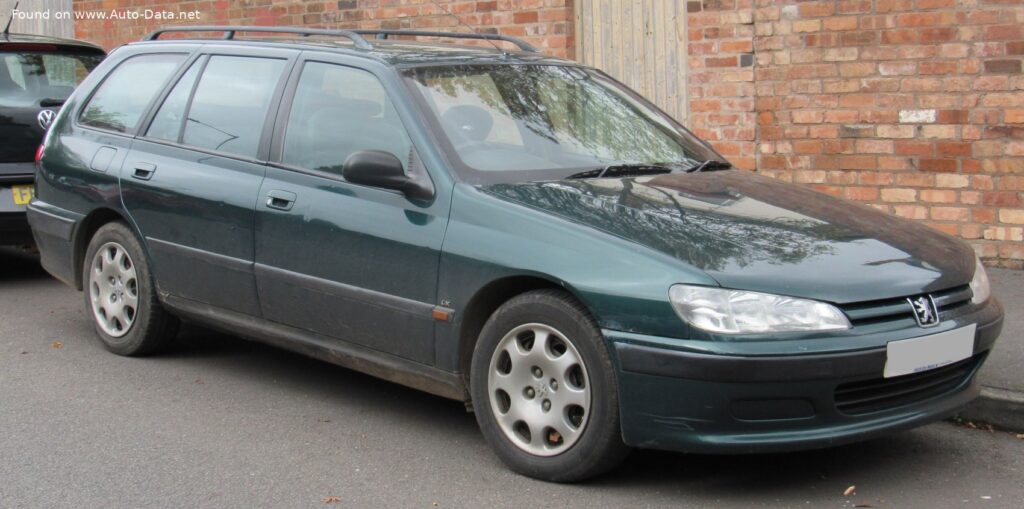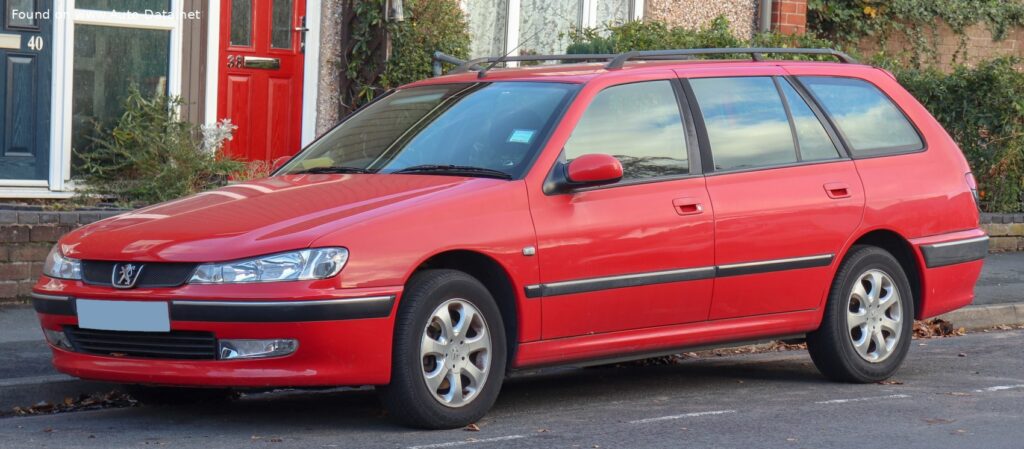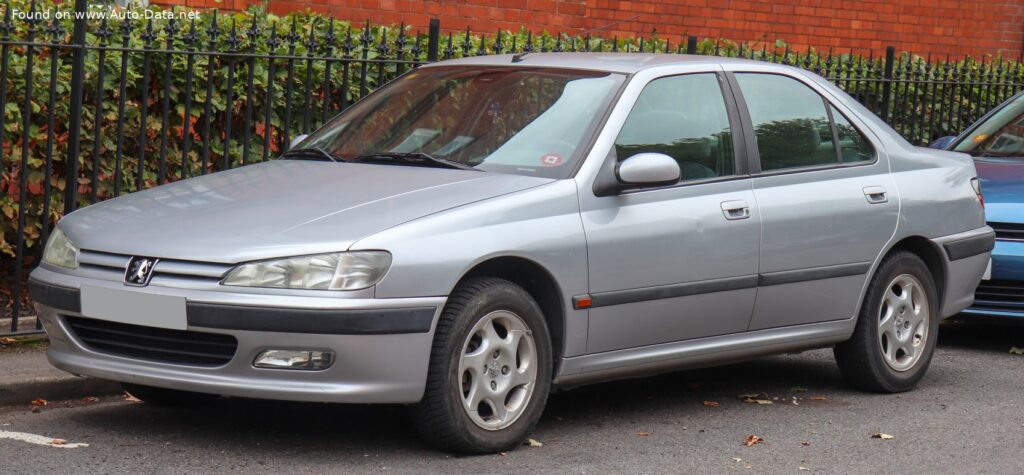
The Peugeot 406, launched in 1995, represented a significant step forward for the French automaker, aiming to compete directly with established mid-size offerings from manufacturers like Ford, Vauxhall/Opel, and Volkswagen. The 406, specifically the Phase I models produced between 1995 and 1999, was a popular choice in Europe, known for its comfortable ride, stylish Pininfarina-designed exterior, and relatively affordable price point. While never officially sold in the United States, the 406 provides a compelling example of European automotive engineering of the era, prioritizing practicality and driving experience. This article details the 1.8-liter (90 horsepower) version of the 406, a common engine choice within the range.
Peugeot 406: A European Mid-Size Sedan
The Peugeot 406 was designed to replace the aging Peugeot 309 and 405 models. It was available in saloon (sedan), estate (wagon), and coupe body styles. The Phase I models, produced from 1995 to 1999, were characterized by a specific front-end design and interior appointments. The 406 aimed to offer a more refined and modern alternative to its predecessors, with a focus on comfort, safety, and a more appealing aesthetic. It quickly became a mainstay in the European D-segment, competing with vehicles like the Ford Mondeo, Opel Vectra, and Volkswagen Passat.
Engine & Performance
The 1.8-liter engine powering this variant of the Peugeot 406 is a naturally aspirated, inline four-cylinder unit, designated LFX XU7JB. It produces 90 horsepower at 5000 rpm and 147 Nm (108.42 lb-ft) of torque at 2600 rpm. While not a performance-oriented engine, it provided adequate power for everyday driving and cruising. The engine’s power-to-weight ratio is 72 horsepower per tonne, and the torque-to-weight ratio is 117.6 Nm per tonne. The engine features multi-port fuel injection and an overhead camshaft (OHC) valvetrain. The 1.8-liter engine is known for its reliability and relatively low running costs, making it a popular choice for fleet buyers and private owners alike. The engine displaces 1761 cm³ (107.46 cu. in.) and has a bore of 83 mm (3.27 in.) and a stroke of 81.4 mm (3.2 in.). It is paired with a five-speed manual transmission, driving the front wheels. Fuel economy is rated at 8.4 l/100 km (28 US mpg, 33.6 UK mpg), with combined CO2 emissions of 205 g/km.
Design & Features
The Peugeot 406 Phase I is a four-door sedan with a sleek, aerodynamic profile penned by the renowned Italian design house Pininfarina. The exterior styling was considered modern and elegant for its time, featuring a sloping roofline and integrated headlights. The interior was designed with practicality and comfort in mind, offering seating for five passengers. Standard features included power steering, ABS (Anti-lock Braking System), and a relatively spacious trunk with a minimum capacity of 430 liters (15.19 cu. ft.). Safety features, while not as comprehensive as modern vehicles, included ABS and a robust body structure. The 406’s suspension system – independent McPherson struts at the front and an independent multi-link setup at the rear – contributed to a comfortable and controlled ride. The vehicle’s dimensions are 4600 mm (181.1 in) in length, 1765 mm (69.49 in) in width, and 1396 mm (54.96 in) in height, with a wheelbase of 2700 mm (106.3 in).
Technical Specifications
| Brand | Peugeot |
| Model | 406 |
| Generation | 406 (Phase I, 1995) |
| Type (Engine) | 1.8 (90 Hp) |
| Start of production | 1997 |
| End of production | 1999 |
| Powertrain Architecture | Internal Combustion engine |
| Body type | Sedan |
| Seats | 5 |
| Doors | 4 |
| Fuel consumption (urban) | 11.8 l/100 km (19.9 US mpg, 23.9 UK mpg) |
| Fuel consumption (extra urban) | 6.4 l/100 km (36.8 US mpg, 44.1 UK mpg) |
| Fuel consumption (combined) | 8.4 l/100 km (28 US mpg, 33.6 UK mpg) |
| CO2 emissions | 205 g/km |
| Fuel Type | Petrol (Gasoline) |
| Weight-to-power ratio | 13.9 kg/Hp |
| Weight-to-torque ratio | 8.5 kg/Nm |
| Power | 90 Hp @ 5000 rpm |
| Power per litre | 51.1 Hp/l |
| Torque | 147 Nm @ 2600 rpm (108.42 lb.-ft. @ 2600 rpm) |
| Engine layout | Front, Transverse |
| Engine Model/Code | LFX XU7JB |
| Engine displacement | 1761 cm3 (107.46 cu. in.) |
| Number of cylinders | 4 |
| Engine configuration | Inline |
| Cylinder Bore | 83 mm (3.27 in.) |
| Piston Stroke | 81.4 mm (3.2 in.) |
| Number of valves per cylinder | 2 |
| Fuel injection system | Multi-port manifold injection |
| Engine aspiration | Naturally aspirated engine |
| Valvetrain | OHC |
| Engine oil capacity | 4.5 l (4.76 US qt | 3.96 UK qt) |
| Coolant | 8 l (8.45 US qt | 7.04 UK qt) |
| Kerb Weight | 1250 kg (2755.78 lbs.) |
| Max. weight | 1910 kg (4210.83 lbs.) |
| Max load | 660 kg (1455.05 lbs.) |
| Trunk (boot) space – minimum | 430 l (15.19 cu. ft.) |
| Fuel tank capacity | 70 l (18.49 US gal | 15.4 UK gal) |
| Length | 4600 mm (181.1 in.) |
| Width | 1765 mm (69.49 in.) |
| Height | 1396 mm (54.96 in.) |
| Wheelbase | 2700 mm (106.3 in.) |
| Front overhang | 937 mm (36.89 in.) |
| Rear overhang | 963 mm (37.91 in.) |
| Drivetrain Architecture | Front wheel drive |
| Number of gears and type of gearbox | 5 gears, manual transmission |
| Front suspension | Independent, type McPherson with coil spring and anti-roll bar |
| Rear suspension | Independent multi-link spring suspension with stabilizer |
| Assisting systems | ABS (Anti-lock braking system) |
| Steering type | Steering rack and pinion |
| Power steering | Hydraulic Steering |
| Tires size | 195/65 R15 |
| Wheel rims size | 15 |
The Peugeot 406, particularly the 1.8-liter variant, remains a fondly remembered vehicle for its blend of style, comfort, and practicality. While not a high-performance machine, it offered a compelling package for European drivers seeking a reliable and well-rounded mid-size sedan.