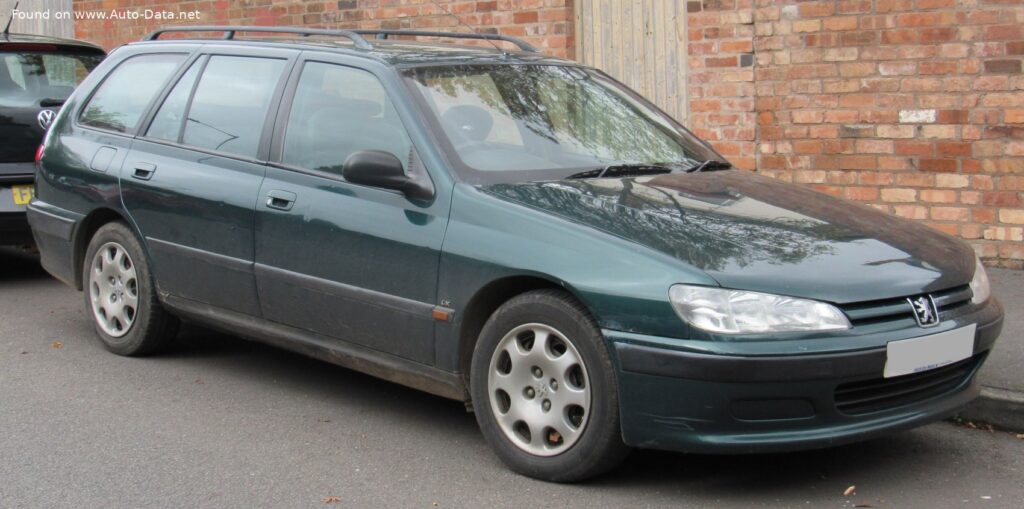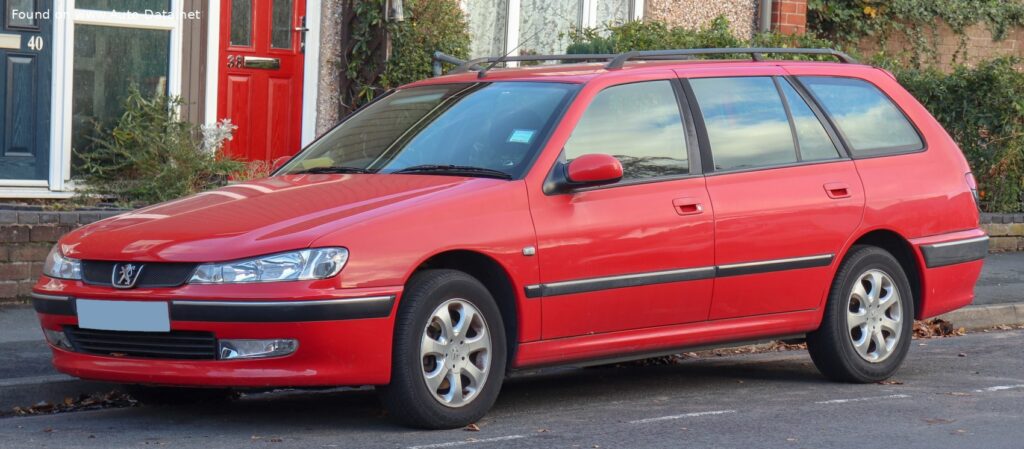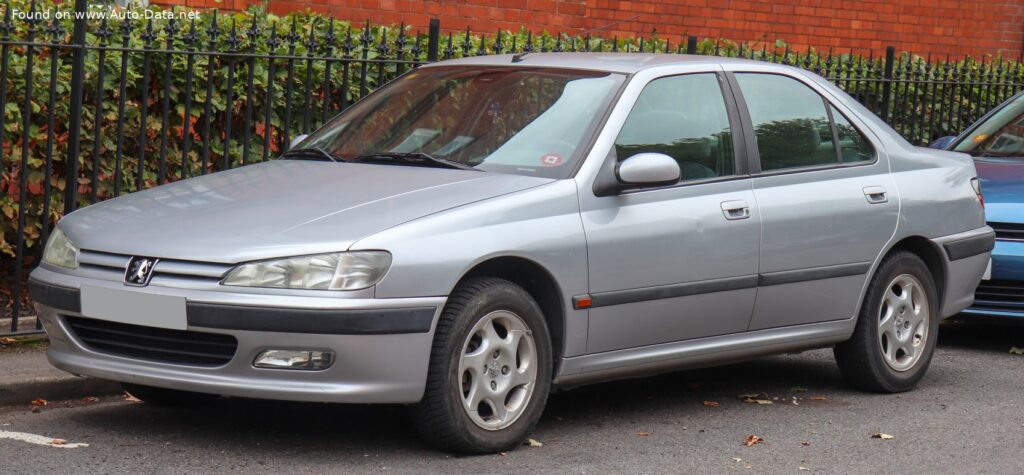
The Peugeot 406, launched in 1995, represented a significant step forward for the French automaker, aiming to compete directly with established mid-size offerings from Germany, the UK, and other European manufacturers. Specifically, the 406 sought to replace the aging Peugeot 405, offering a more modern design, improved comfort, and a wider range of engine options. This article focuses on the Phase I 1.9 TD variant, produced between 1996 and 1999, a popular choice in European markets for its fuel efficiency and practicality. While not officially sold in the United States, the 406 provides a compelling example of European automotive engineering of the mid-1990s, emphasizing diesel power and a focus on comfortable, long-distance driving.
Peugeot 406 1.9 TD (Phase I): A European Sedan
The Peugeot 406 was positioned as a large family car, competing with models like the Ford Mondeo, Vauxhall/Opel Vectra, and Volkswagen Passat. It was available in saloon (sedan), estate (wagon), and coupe body styles. The 1.9 TD model, powered by a turbocharged diesel engine, was particularly well-regarded for its economy and torque, making it a popular choice for fleet buyers and private motorists alike. The Phase I models, produced from 1995-1999, are identifiable by their distinct front-end styling and interior appointments. The 406 was a key model for Peugeot, helping to solidify its reputation for building stylish and reliable vehicles.
Engine & Performance
The heart of the 406 1.9 TD is its 1.9-liter inline-four cylinder diesel engine, designated DHX XUD9TE. This engine produces 90 horsepower at 4500 rpm and 201 Nm (148.25 lb.-ft.) of torque. While the horsepower figure might seem modest by modern standards, the engine’s strength lies in its torque delivery, providing strong acceleration from low engine speeds. The engine utilizes a precombustion chamber injection system and is equipped with a turbocharger and intercooler to enhance performance and efficiency. Acceleration from 0 to 100 km/h (0-62 mph) takes approximately 12 seconds, while 0 to 60 mph is achieved in around 11.4 seconds. The 406 1.9 TD boasts a top speed of 165 km/h (102.53 mph). Fuel economy is a strong point, with combined cycle consumption rated at 6.3 l/100 km (37.3 US mpg, 44.8 UK mpg, 15.9 km/l). The engine is coupled with a five-speed manual transmission, driving the front wheels.
Design & Features
The Peugeot 406 Phase I features a classic sedan body style with a four-door configuration and seating for five passengers. Its design, penned by Pininfarina, is characterized by clean lines and a relatively understated elegance. The interior is functional and comfortable, prioritizing practicality over outright luxury. Safety features for the time included an Anti-lock Braking System (ABS), which was becoming increasingly common on European vehicles. The 406 offered a spacious cabin and a reasonably sized trunk with a minimum capacity of 430 liters (15.19 cu. ft.). Power steering, utilizing a hydraulic system, provided ease of maneuverability. The vehicle rides on 15-inch wheels fitted with 195/65 R15 tires. The 406’s design aimed to balance aesthetics with aerodynamic efficiency, contributing to its respectable fuel economy.
Technical Specifications
| Brand | Peugeot |
| Model | 406 |
| Generation | 406 (Phase I, 1995) |
| Type (Engine) | 1.9 TD (90 Hp) |
| Start of production | 1996 |
| End of production | 1999 |
| Powertrain Architecture | Internal Combustion engine |
| Body type | Sedan |
| Seats | 5 |
| Doors | 4 |
| Fuel consumption (urban) | 8.5 l/100 km (27.7 US mpg, 33.2 UK mpg, 11.8 km/l) |
| Fuel consumption (extra urban) | 5.2 l/100 km (45.2 US mpg, 54.3 UK mpg, 19.2 km/l) |
| Fuel consumption (combined) | 6.3 l/100 km (37.3 US mpg, 44.8 UK mpg, 15.9 km/l) |
| Fuel Type | Diesel |
| Acceleration 0 – 100 km/h | 12 sec |
| Acceleration 0 – 62 mph | 12 sec |
| Acceleration 0 – 60 mph | 11.4 sec |
| Maximum speed | 165 km/h (102.53 mph) |
| Power | 90 Hp @ 4500 rpm |
| Power per litre | 47.2 Hp/l |
| Torque | 201 Nm (148.25 lb.-ft.) |
| Engine Model/Code | DHX XUD9TE |
| Engine displacement | 1905 cm3 (116.25 cu. in.) |
| Number of cylinders | 4 |
| Engine configuration | Inline |
| Number of valves per cylinder | 2 |
| Fuel injection system | Precombustion chamber injection |
| Engine aspiration | Turbocharger, Intercooler |
| Engine oil capacity | 4 l (4.23 US qt | 3.52 UK qt) |
| Coolant | 8.5 l (8.98 US qt | 7.48 UK qt) |
| Trunk (boot) space (minimum) | 430 l (15.19 cu. ft.) |
| Fuel tank capacity | 70 l (18.49 US gal | 15.4 UK gal) |
| Length | 4600 mm (181.1 in.) |
| Width | 1765 mm (69.49 in.) |
| Height | 1396 mm (54.96 in.) |
| Wheelbase | 2700 mm (106.3 in.) |
| Front track | 1500 mm (59.06 in.) |
| Rear track | 1480 mm (58.27 in.) |
| Front overhang | 937 mm (36.89 in.) |
| Rear overhang | 963 mm (37.91 in.) |
| Drivetrain Architecture | Front wheel drive, Internal Combustion engine |
| Drive wheel | Front wheel drive |
| Number of gears and type of gearbox | 5 gears, manual transmission |
| Front brakes | Disc |
| Rear brakes | Drum |
| Assisting systems | ABS (Anti-lock braking system) |
| Steering type | Steering rack and pinion |
| Power steering | Hydraulic Steering |
| Tires size | 195/65 R15 |
| Wheel rims size | 15 |
The Peugeot 406 1.9 TD, while never officially available in the US market, remains a significant vehicle in the history of European motoring. Its blend of fuel efficiency, practicality, and comfortable driving experience made it a popular choice for a wide range of buyers. The Phase I models, like the one detailed here, represent a well-engineered and stylish offering from a period when Peugeot was establishing itself as a major player in the global automotive industry.