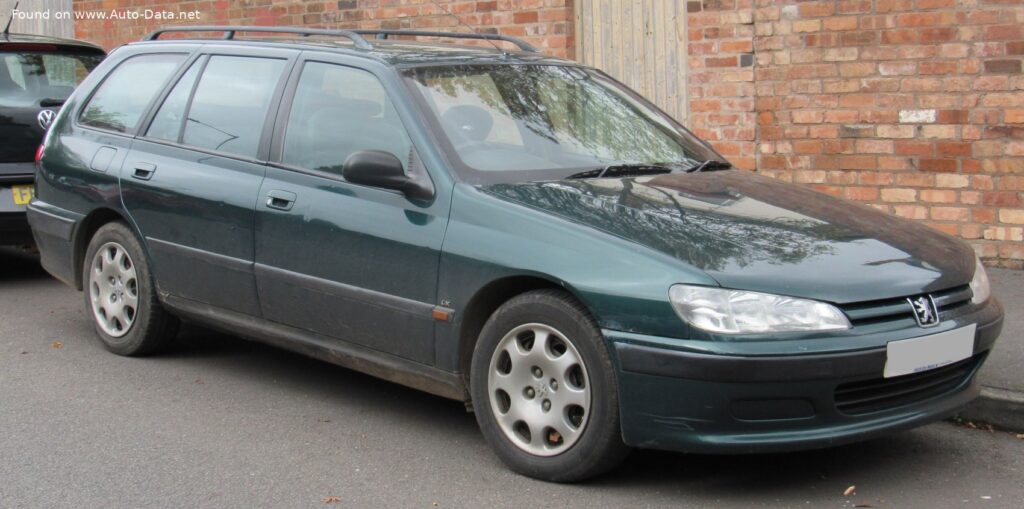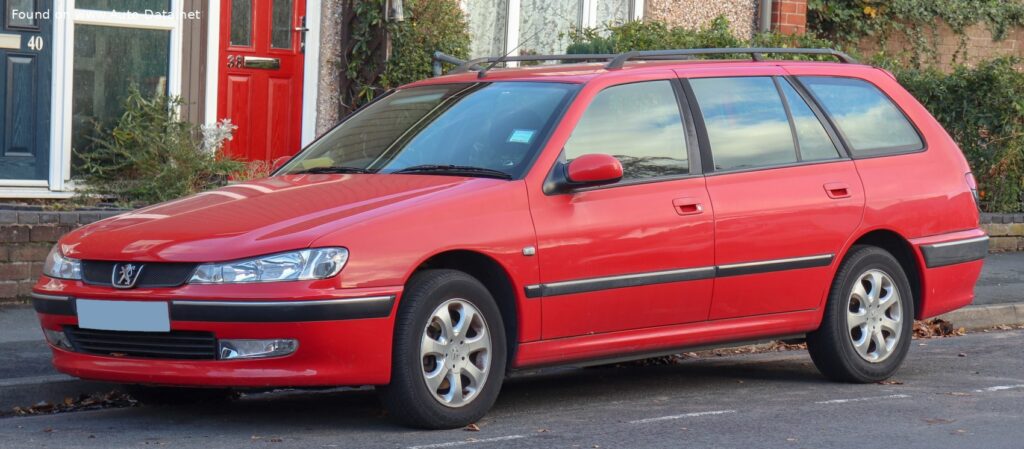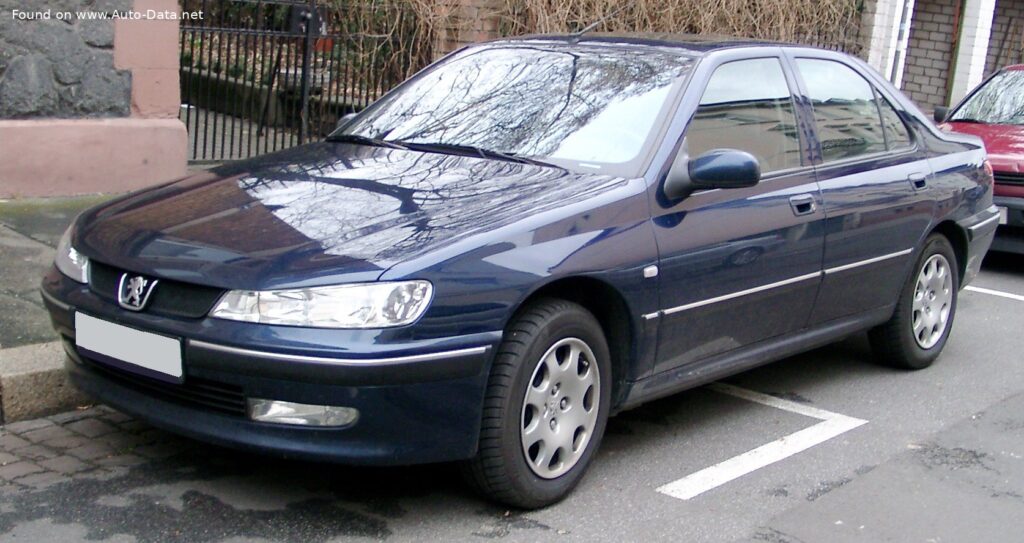
The Peugeot 406, particularly the Phase II iteration introduced in 1999, represents a significant step forward for the French automaker in the mid-size car segment. Positioned as a competitor to vehicles like the Ford Mondeo and Volkswagen Passat, the 406 aimed to blend stylish design with practicality and a comfortable driving experience. The Phase II updates brought refinements to the exterior, interior, and crucially, the engine lineup, including the introduction of advanced diesel options like the 2.0 HDI (High-Pressure Diesel Injection) engine discussed here. This model was primarily sold in Europe and other international markets, establishing Peugeot as a strong contender in the family car sector.
Peugeot 406 Phase II: A Detailed Overview
The 406 Phase II, produced from 1999 to 2004, built upon the success of the original 406 launched in 1995. The Phase II revisions focused on enhancing the car’s appeal through subtle styling changes, improved interior materials, and the integration of newer technologies. The 2.0 HDI variant, with its 90 horsepower output, was a key component of Peugeot’s strategy to offer fuel-efficient and refined diesel options to European consumers increasingly concerned with running costs and environmental impact. It was a popular choice for those covering long distances, offering a good balance between performance and economy.
Engine & Performance
The heart of the 406 2.0 HDI is the RHY DW10TD engine, a 1997cc (121.86 cubic inches) inline four-cylinder diesel. This engine utilizes a turbocharger and a diesel common rail fuel injection system to deliver 90 horsepower at 4000 rpm and 205 Nm (151.2 lb.-ft.) of torque at 2000 rpm. While not a performance powerhouse, the engine’s torque output provides adequate acceleration and strong mid-range responsiveness, making it well-suited for everyday driving and highway cruising. Acceleration from 0 to 100 km/h (0-62 mph) takes 14.5 seconds, and 0 to 60 mph is achieved in approximately 13.8 seconds. The top speed is rated at 180 km/h (111.85 mph). A key strength of this engine is its fuel efficiency. Combined fuel consumption is rated at 5.6 l/100 km (42 US mpg, 50.4 UK mpg, 17.9 km/l), making it an economical choice for long-distance travel. The engine’s power-to-weight ratio is 67.7 Hp/tonne, and the torque-to-weight ratio is 154.1 Nm/tonne.
Design & Features
The Peugeot 406 Phase II is a four-door sedan with a classic, understated design. Pininfarina, the renowned Italian design house, played a role in the 406’s styling, resulting in a sleek and aerodynamic profile. The Phase II updates included revised headlights, a redesigned grille, and updated interior trim. The interior offers seating for five passengers and provides a comfortable and functional cabin. Features included hydraulic power steering, ABS (Anti-lock Braking System), and a five-speed manual transmission. The trunk (boot) offers a minimum capacity of 430 liters (15.19 cubic feet), providing ample space for luggage and cargo. The 406 prioritized comfort and practicality over outright sportiness, offering a refined driving experience and a well-equipped interior for its time. Safety features, while not as comprehensive as modern vehicles, included ABS and a robust body structure designed to provide occupant protection.
Technical Specifications
| Brand | Peugeot |
| Model | 406 |
| Generation | 406 (Phase II, 1999) |
| Type (Engine) | 2.0 HDI (90 Hp) |
| Start of production | 1999 |
| End of production | 2004 |
| Powertrain Architecture | Internal Combustion engine |
| Body type | Sedan |
| Seats | 5 |
| Doors | 4 |
| Fuel consumption (urban) | 7.4 l/100 km (31.8 US mpg, 38.2 UK mpg, 13.5 km/l) |
| Fuel consumption (extra urban) | 4.6 l/100 km (51.1 US mpg, 61.4 UK mpg, 21.7 km/l) |
| Fuel consumption (combined) | 5.6 l/100 km (42 US mpg, 50.4 UK mpg, 17.9 km/l) |
| Fuel Type | Diesel |
| Acceleration 0 – 100 km/h | 14.5 sec |
| Acceleration 0 – 62 mph | 14.5 sec |
| Acceleration 0 – 60 mph | 13.8 sec |
| Maximum speed | 180 km/h (111.85 mph) |
| Weight-to-power ratio | 14.8 kg/Hp |
| Weight-to-torque ratio | 6.5 kg/Nm |
| Power | 90 Hp @ 4000 rpm |
| Torque | 205 Nm @ 2000 rpm (151.2 lb.-ft. @ 2000 rpm) |
| Engine layout | Front, Transverse |
| Engine Model/Code | RHY DW10TD |
| Engine displacement | 1997 cm3 (121.86 cu. in.) |
| Number of cylinders | 4 |
| Engine configuration | Inline |
| Cylinder Bore | 85 mm (3.35 in.) |
| Piston Stroke | 88 mm (3.46 in.) |
| Compression ratio | 18:1 |
| Number of valves per cylinder | 2 |
| Fuel injection system | Diesel Commonrail |
| Engine aspiration | Turbocharger |
| Valvetrain | DOHC |
| Engine oil capacity | 4.5 l (4.76 US qt | 3.96 UK qt) |
| Coolant | 9 l (9.51 US qt | 7.92 UK qt) |
| Kerb Weight | 1330 kg (2932.15 lbs.) |
| Max. weight | 1870 kg (4122.64 lbs.) |
| Max load | 540 kg (1190.5 lbs.) |
| Trunk (boot) space – minimum | 430 l (15.19 cu. ft.) |
| Fuel tank capacity | 70 l (18.49 US gal | 15.4 UK gal) |
| Length | 4600 mm (181.1 in.) |
| Width | 1765 mm (69.49 in.) |
| Height | 1396 mm (54.96 in.) |
| Wheelbase | 2700 mm (106.3 in.) |
| Front track | 1500 mm (59.06 in.) |
| Rear (Back) track | 1482 mm (58.35 in.) |
| Front overhang | 937 mm (36.89 in.) |
| Rear overhang | 963 mm (37.91 in.) |
| Minimum turning circle | 11.95 m (39.21 ft.) |
| Drivetrain Architecture | Front wheel drive |
| Number of gears | 5 gears, manual transmission |
| Front suspension | Independent, type McPherson with coil spring and anti-roll bar |
| Rear suspension | Independent multi-link spring suspension with stabilizer |
| Front brakes | Disc |
| Rear brakes | Drum |
| Assisting systems | ABS (Anti-lock braking system) |
| Steering type | Steering rack and pinion |
| Power steering | Hydraulic Steering |
| Tires size | 195/65 R15 |
| Wheel rims size | 15 |
The Peugeot 406 Phase II 2.0 HDI remains a popular choice among enthusiasts and those seeking a reliable and economical classic car. Its blend of French style, comfortable ride, and fuel-efficient diesel engine continues to appeal to drivers who appreciate a vehicle that prioritizes practicality and refinement.