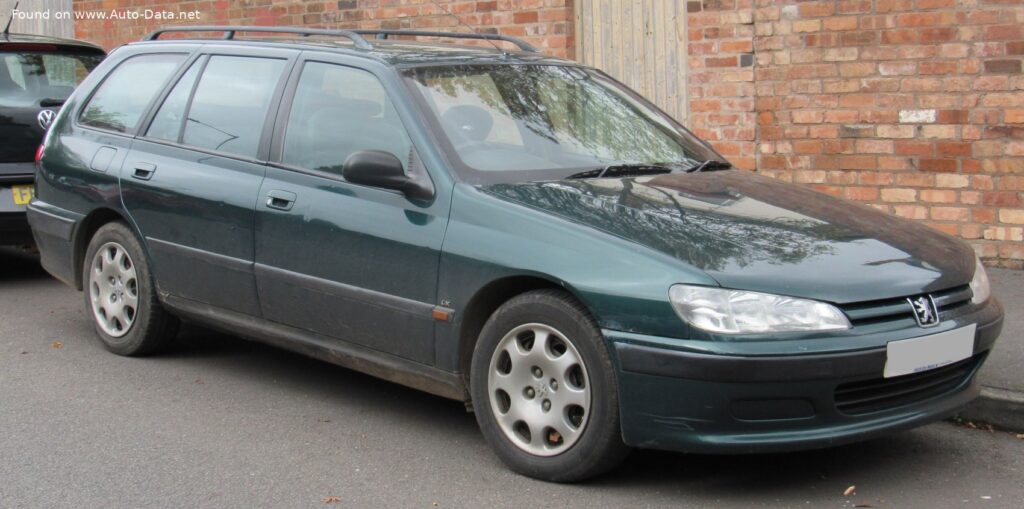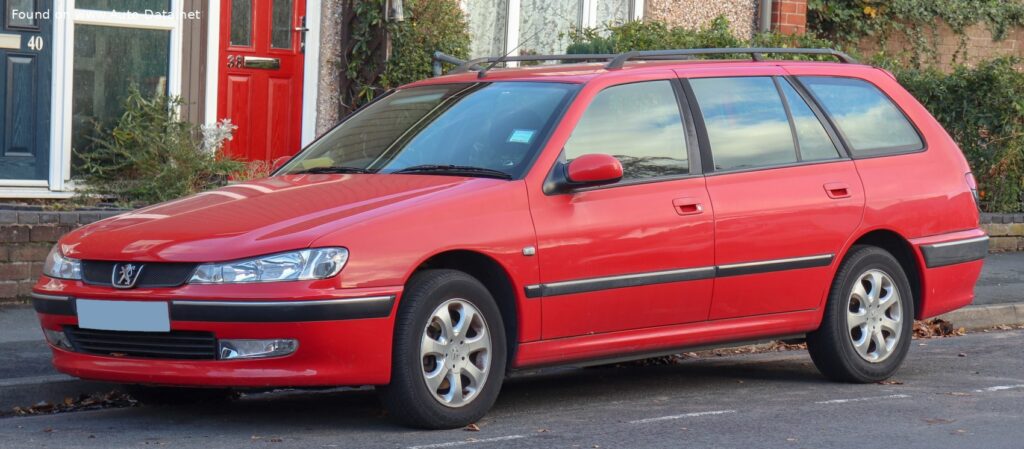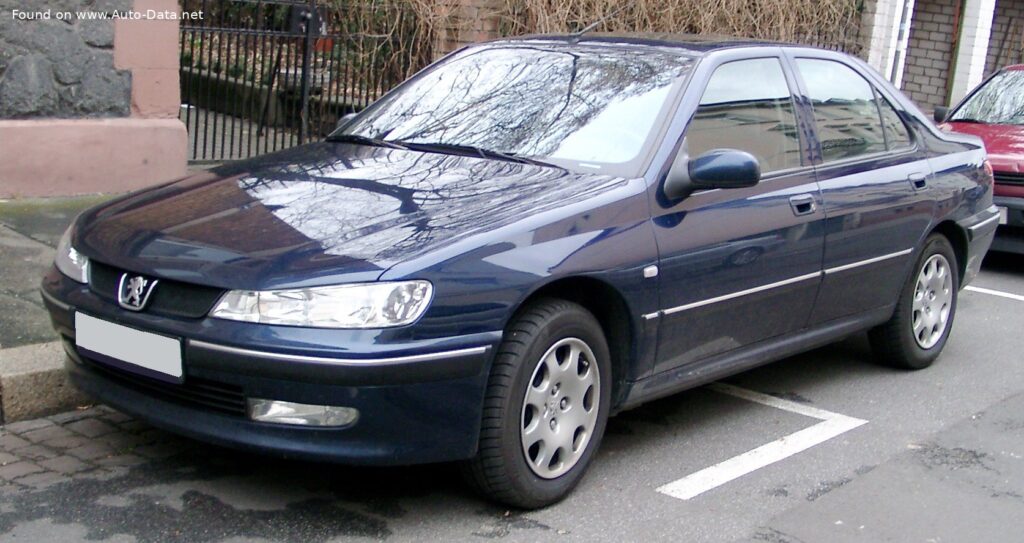
The Peugeot 406, particularly the Phase II iteration produced between 1999 and 2004, represents a significant vehicle in Peugeot’s history. Introduced as a replacement for the Peugeot 605, the 406 aimed to offer a blend of comfort, style, and affordability in the mid-size segment. While not officially sold in the United States, the 406 was a popular choice in Europe and other international markets, competing with vehicles like the Ford Mondeo, Vauxhall/Opel Vectra, and Renault Laguna. The Phase II models, like the 2.0 HPi version detailed here, benefited from refinements to the original design, including updated styling, improved safety features, and enhanced engine options.
Peugeot 406: A European Sedan
The Peugeot 406 was designed to be a versatile family car, available in saloon (sedan), estate (wagon), and coupe body styles. The Phase II update, launched in 1999, brought a more modern aesthetic with revised headlights, grille, and interior trim. The 2.0 HPi model, equipped with a 2.0-liter inline-four engine, was a popular choice for buyers seeking a balance between performance and fuel efficiency. The “HPi” designation signified Peugeot’s High Pressure Injection system, a direct injection technology aimed at improving power and reducing emissions. This model was primarily targeted at the European market, where fuel economy and practicality were highly valued.
Engine & Performance
The heart of the 406 2.0 HPi is its 1997cc (121.86 cubic inches) inline-four cylinder engine. This naturally aspirated engine produces 140 horsepower at 6000 rpm and 192 Nm (141.61 lb-ft) of torque at 4000 rpm. The engine utilizes direct fuel injection, contributing to its relatively efficient operation. Power is delivered to the front wheels via a five-speed manual transmission. Performance figures include a 0-100 km/h (0-62 mph) acceleration time of 10.6 seconds and a top speed of 210 km/h (130.49 mph). The weight-to-power ratio of 9.6 kg/Hp and a weight-to-torque ratio of 7 kg/Nm indicate a reasonably responsive driving experience for its time. Fuel economy is rated at 7.5 l/100 km (31.4 US mpg) combined, with 10.3 l/100 km (22.8 US mpg) in urban conditions and 6.0 l/100 km (39.2 US mpg) on the open road.
Design & Features
The Peugeot 406 Phase II is a four-door sedan with a classic, understated design. Its body style prioritizes practicality and passenger comfort. The interior offers seating for five occupants and provides a reasonable amount of space for both passengers and luggage, with a trunk capacity of 430 liters (15.19 cubic feet). Safety features for the era included ABS (Anti-lock Braking System) as standard equipment. The suspension system consists of an independent McPherson strut setup at the front and an independent multi-link arrangement at the rear, providing a comfortable ride and decent handling characteristics. Hydraulic power steering contributes to ease of maneuverability. The vehicle rides on 195/65 R15 tires mounted on 15-inch wheels. The 406’s design focused on providing a comfortable and refined driving experience, making it a popular choice for families and commuters.
Technical Specifications
| Brand | Peugeot |
| Model | 406 |
| Generation | 406 (Phase II, 1999) |
| Type (Engine) | 2.0 HPi (140 Hp) |
| Start of production | 2001 |
| End of production | 2004 |
| Powertrain Architecture | Internal Combustion engine |
| Body type | Sedan |
| Seats | 5 |
| Doors | 4 |
| Fuel consumption (urban) | 10.3 l/100 km (22.8 US mpg) |
| Fuel consumption (extra urban) | 6 l/100 km (39.2 US mpg) |
| Fuel consumption (combined) | 7.5 l/100 km (31.4 US mpg) |
| Fuel Type | Petrol (Gasoline) |
| Acceleration 0 – 100 km/h | 10.6 sec |
| Acceleration 0 – 62 mph | 10.6 sec |
| Acceleration 0 – 60 mph | 10.1 sec |
| Maximum speed | 210 km/h (130.49 mph) |
| Weight-to-power ratio | 9.6 kg/Hp |
| Weight-to-torque ratio | 7 kg/Nm |
| Power | 140 Hp @ 6000 rpm |
| Torque | 192 Nm @ 4000 rpm (141.61 lb.-ft. @ 4000 rpm) |
| Engine layout | Front, Transverse |
| Engine Model/Code | RLZ EW10D |
| Engine displacement | 1997 cm3 (121.86 cu. in.) |
| Number of cylinders | 4 |
| Engine configuration | Inline |
| Cylinder Bore | 85 mm (3.35 in.) |
| Piston Stroke | 88 mm (3.46 in.) |
| Compression ratio | 11.4:1 |
| Number of valves per cylinder | 4 |
| Fuel injection system | Direct injection |
| Engine aspiration | Naturally aspirated |
| Valvetrain | DOHC |
| Engine oil capacity | 4.25 l (4.49 US qt | 3.74 UK qt) |
| Coolant capacity | 7 l (7.4 US qt | 6.16 UK qt) |
| Kerb Weight | 1340 kg (2954.19 lbs.) |
| Max. weight | 1880 kg (4144.69 lbs.) |
| Max load | 540 kg (1190.5 lbs.) |
| Trunk (boot) space – minimum | 430 l (15.19 cu. ft.) |
| Fuel tank capacity | 70 l (18.49 US gal | 15.4 UK gal) |
| Length | 4600 mm (181.1 in.) |
| Width | 1765 mm (69.49 in.) |
| Height | 1400 mm (55.12 in.) |
| Wheelbase | 2700 mm (106.3 in.) |
| Front track | 1500 mm (59.06 in.) |
| Rear track | 1480 mm (58.27 in.) |
| Front overhang | 937 mm (36.89 in.) |
| Rear overhang | 963 mm (37.91 in.) |
| Minimum turning circle | 11.95 m (39.21 ft.) |
| Drivetrain | Front wheel drive |
| Number of gears | 5 gears, manual transmission |
| Front suspension | Independent, McPherson with coil spring and anti-roll bar |
| Rear suspension | Independent multi-link with stabilizer |
| Front brakes | Ventilated discs |
| Rear brakes | Disc |
| Assisting systems | ABS |
| Steering type | Steering rack and pinion |
| Power steering | Hydraulic |
| Tires size | 195/65 R15 |
| Wheel rims size | 15 |