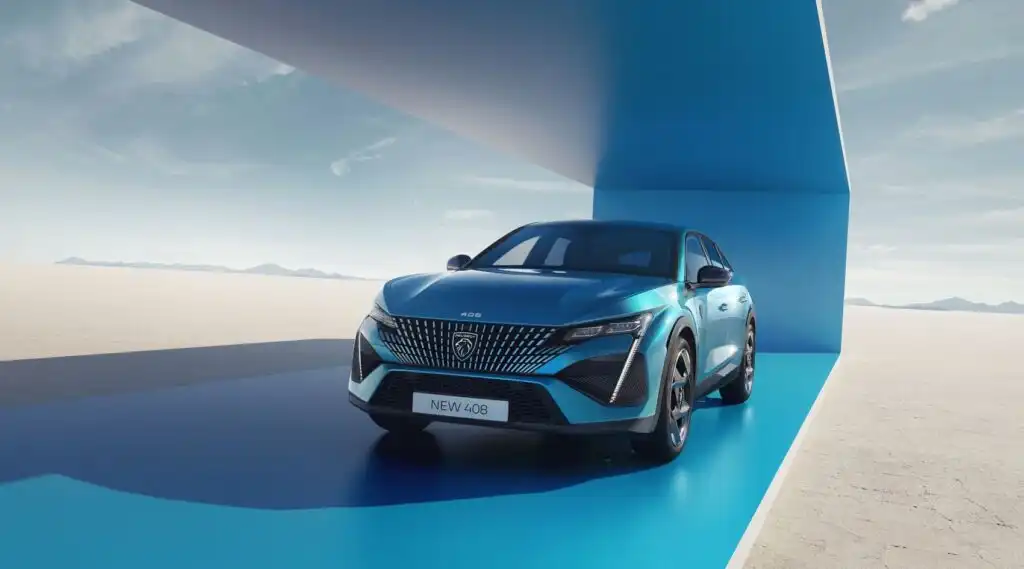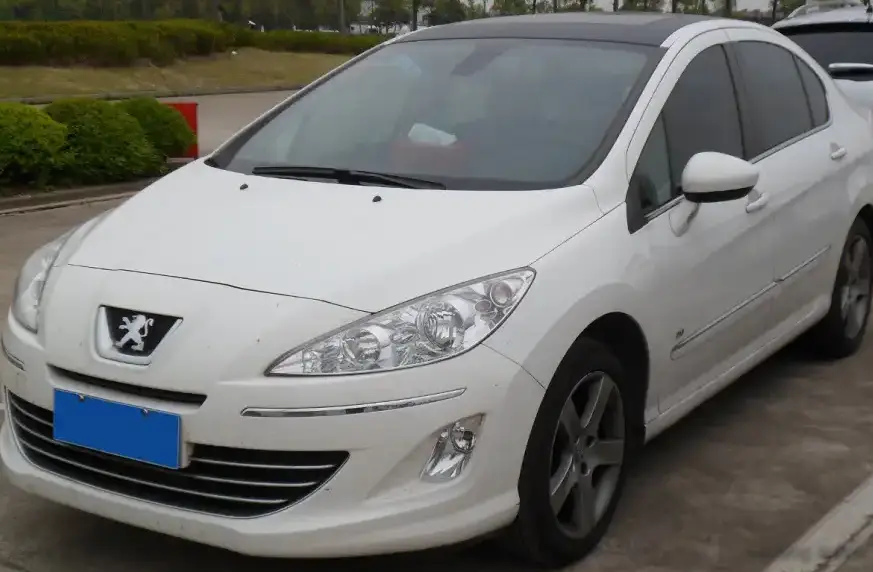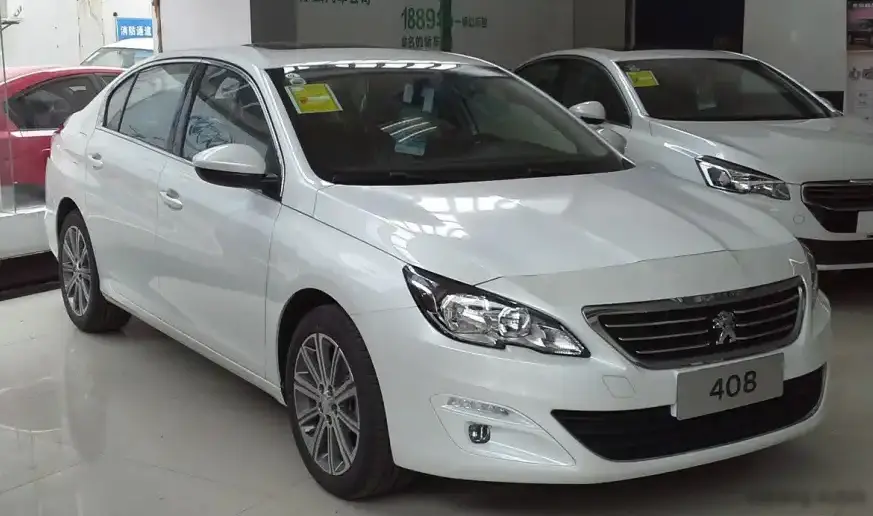
The Peugeot 408 II 1.2 THP (136 hp) represents a significant offering within the second generation of Peugeot’s mid-size sedan, produced between 2014 and 2017. Positioned as a mainstream variant within the 408 II lineup, it aimed to balance fuel efficiency with acceptable performance for everyday driving. This model was primarily marketed in Europe and other regions where sedans remained popular, offering a more economical alternative to the higher-powered engine options available. The 408 II itself was a rebadged version of the Dongfeng Fengshun 5008, a collaborative effort between Peugeot and its Chinese partner Dongfeng Motor Corporation.
Technical Specifications
| Brand | Peugeot |
| Model | 408 |
| Generation | 408 II |
| Type (Engine) | 1.2 THP (136 Hp) |
| Start of production | 2014 |
| End of production | 2017 |
| Powertrain Architecture | Internal Combustion engine |
| Body type | Sedan |
| Seats | 5 |
| Doors | 4 |
| Fuel consumption (combined) | 4.9 l/100 km (48 US mpg, 57.6 UK mpg, 20.4 km/l) |
| Fuel Type | Petrol (Gasoline) |
| Maximum speed | 205 km/h (127.38 mph) |
| Weight-to-power ratio | 9.6 kg/Hp, 103.8 Hp/tonne |
| Weight-to-torque ratio | 5.7 kg/Nm, 175.6 Nm/tonne |
| Power | 136 Hp @ 5500 rpm |
| Power per litre | 113.4 Hp/l |
| Torque | 230 Nm @ 1750-3500 rpm (169.64 lb.-ft. @ 1750-3500 rpm) |
| Engine layout | Front, Transverse |
| Engine Model/Code | EB2 |
| Engine displacement | 1199 cm3 (73.17 cu. in.) |
| Number of cylinders | 3 |
| Engine configuration | Inline |
| Cylinder Bore | 75 mm (2.95 in.) |
| Piston Stroke | 90.5 mm (3.56 in.) |
| Compression ratio | 9.5:1 |
| Number of valves per cylinder | 4 |
| Fuel injection system | Direct injection |
| Engine aspiration | Turbocharger, Intercooler |
| Engine oil capacity | 3.5 l (3.7 US qt | 3.08 UK qt) |
| Kerb Weight | 1310 kg (2888.06 lbs.) |
| Trunk (boot) space – minimum | 455 l (16.07 cu. ft.) |
| Fuel tank capacity | 53 l (14 US gal | 11.66 UK gal) |
| Length | 4750 mm (187.01 in.) |
| Width | 1820 mm (71.65 in.) |
| Height | 1488 mm (58.58 in.) |
| Wheelbase | 2730 mm (107.48 in.) |
| Front track | 1555 mm (61.22 in.) |
| Rear (Back) track | 1550 mm (61.02 in.) |
| Front overhang | 940 mm (37.01 in.) |
| Rear overhang | 1080 mm (42.52 in.) |
| Ride height (ground clearance) | 124 mm (4.88 in.) |
| Minimum turning circle (turning diameter) | 10.8 m (35.43 ft.) |
| Drivetrain Architecture | The Internal combustion engine (ICE) drives the front wheels of the vehicle. |
| Drive wheel | Front wheel drive |
| Number of gears and type of gearbox | 5 gears, manual transmission |
| Front suspension | Independent, type McPherson with coil spring and anti-roll bar |
| Rear suspension | Independent coil spring |
| Front brakes | Ventilated discs |
| Rear brakes | Disc |
| Assisting systems | ABS (Anti-lock braking system) |
Powertrain & Engine Architecture
The heart of the 408 II 1.2 THP is the EB2 engine, a 1.2-liter turbocharged three-cylinder petrol engine. This engine is part of Peugeot’s PureTech family, known for its efficiency and surprisingly strong output for its size. The ‘THP’ designation stands for Turbo High Pressure, indicating the use of a twin-scroll turbocharger and direct fuel injection. The direct injection system, operating at pressures up to 200 bar, ensures precise fuel delivery and contributes to improved combustion efficiency. The engine utilizes a timing chain for durability and features four valves per cylinder, enhancing breathing and power delivery. The 136 hp output is achieved at 5500 rpm, while the peak torque of 230 Nm (169.64 lb-ft) is available from a low 1750 rpm, providing good responsiveness in everyday driving situations. The engine is transversely mounted at the front of the vehicle, driving the front wheels through a five-speed manual transmission. While an automatic transmission was offered on other 408 II variants, the 1.2 THP was exclusively paired with the manual gearbox in most markets.
Driving Characteristics
The 1.2 THP engine, coupled with the five-speed manual transmission, delivers a driving experience focused on fuel economy and usability rather than outright performance. Acceleration is adequate for typical commuting and highway driving, but it won’t provide the briskness of the larger 1.6 THP or diesel options. The turbocharger does provide a noticeable boost in power once past around 2000 rpm, but the engine feels somewhat strained at higher revs. The manual gearbox is generally well-matched to the engine’s characteristics, with gear ratios optimized for fuel efficiency. Compared to the higher-powered variants, the 1.2 THP offers a lighter feel and more nimble handling, particularly in urban environments. However, it requires more frequent gear changes when tackling hills or overtaking maneuvers. The relatively low kerb weight of 1310 kg (2888.06 lbs) helps to mitigate the engine’s modest power output.
Equipment & Trim Levels
The 408 II 1.2 THP typically came equipped with a reasonable level of standard features, positioning it as a mid-range offering. Standard equipment generally included air conditioning, power windows, central locking, a basic audio system with USB connectivity, and ABS brakes. Higher trim levels, often denoted by names like ‘Active’ or ‘Allure’, added features such as alloy wheels, a more advanced infotainment system with a touchscreen display, rear parking sensors, cruise control, and automatic headlights and wipers. Interior upholstery was typically cloth, with options for leather seats on higher trims. The dashboard layout was functional and straightforward, with a focus on ergonomics. Optional extras included a panoramic sunroof, navigation system, and upgraded audio systems.
Chassis & Braking
The 408 II utilizes a McPherson strut front suspension and an independent coil spring rear suspension. This setup provides a comfortable ride quality, absorbing bumps and imperfections in the road surface effectively. The front suspension incorporates an anti-roll bar to reduce body roll during cornering. The braking system consists of ventilated discs at the front and solid discs at the rear, providing adequate stopping power for the vehicle’s weight and performance. ABS (Anti-lock Braking System) is standard, enhancing safety during emergency braking situations. The steering is electrically assisted, offering a light and precise feel.
Market Reception & Comparison
The Peugeot 408 II 1.2 THP was generally well-received by critics as a practical and fuel-efficient option in the mid-size sedan segment. Its low fuel consumption (4.9 l/100 km) was a major selling point, particularly in Europe where fuel prices are high. However, some reviewers noted that the engine could feel underpowered, especially when fully loaded or driving uphill. Compared to the 1.6 THP variants, the 1.2 THP offered significantly lower running costs but sacrificed performance. The diesel options provided even better fuel economy but came with the higher maintenance costs associated with diesel engines. The 1.2 THP appealed to buyers prioritizing economy and practicality over outright performance.
Legacy
The EB2 1.2 THP engine has proven to be a relatively reliable powertrain, although some early versions were prone to issues with the timing chain tensioner. Regular maintenance, including oil changes and timing chain inspections, is crucial to ensure long-term reliability. In the used car market, the 408 II 1.2 THP represents a good value proposition, offering a comfortable and economical driving experience at an affordable price. Its fuel efficiency and relatively low maintenance costs make it an attractive option for budget-conscious buyers. While not a performance icon, the 1.2 THP variant played a vital role in broadening the appeal of the 408 II to a wider range of customers.