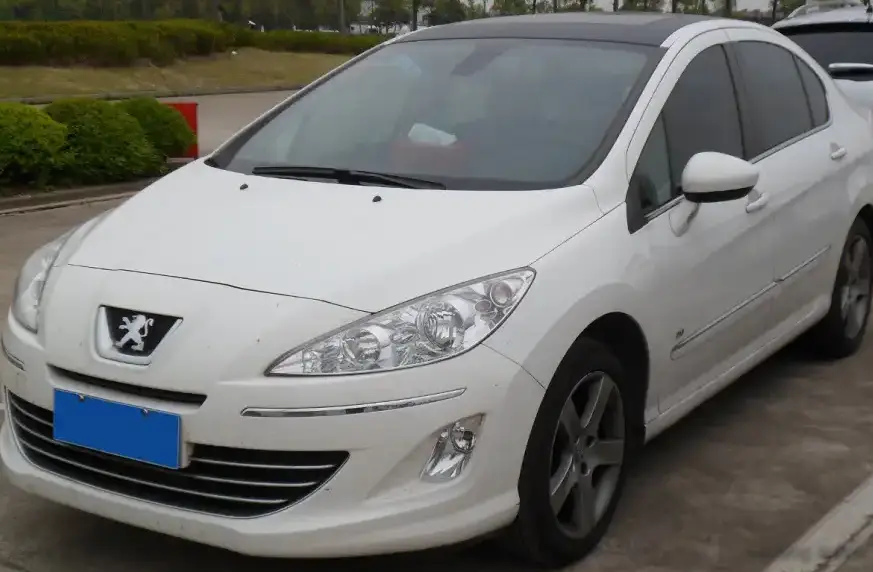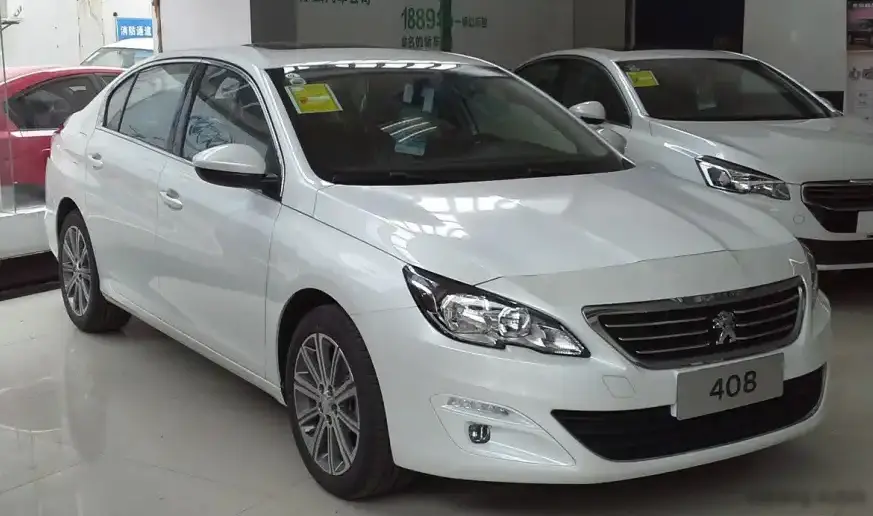
The Peugeot 408 II 1.6 THP (167 hp) Automatic, produced between 2014 and 2017, represented a mid-range offering within the second generation of Peugeot’s D-segment sedan. Positioned above the entry-level petrol engines and below the more powerful options, this variant aimed to balance performance, fuel efficiency, and comfort for the European market. The 408 II, built on the EMP2 platform, was designed to compete with vehicles like the Ford Mondeo, Volkswagen Passat, and Opel Insignia, offering a distinctive French design and a focus on driving experience. This specific configuration, pairing the 1.6 THP engine with a six-speed automatic transmission, was a popular choice for buyers prioritizing ease of use and refinement.
Technical Specifications
| Brand | Peugeot |
| Model | 408 |
| Generation | 408 II |
| Type (Engine) | 1.6 THP (167 Hp) Automatic |
| Start of production | 2014 |
| End of production | 2017 |
| Powertrain Architecture | Internal Combustion engine |
| Body type | Sedan |
| Seats | 5 |
| Doors | 4 |
| Fuel consumption (combined) | 5.9 l/100 km (39.9 US mpg, 47.9 UK mpg, 16.9 km/l) |
| Fuel Type | Petrol (Gasoline) |
| Acceleration 0 – 100 km/h | 8.2 sec |
| Acceleration 0 – 62 mph | 8.2 sec |
| Acceleration 0 – 60 mph | 7.8 sec |
| Maximum speed | 215 km/h (133.59 mph) |
| Weight-to-power ratio | 8.5 kg/Hp, 118 Hp/tonne |
| Weight-to-torque ratio | 5.8 kg/Nm, 173.1 Nm/tonne |
| Power | 167 Hp @ 6000 rpm |
| Power per litre | 104.5 Hp/l |
| Torque | 245 Nm @ 1400-4000 rpm (180.7 lb.-ft. @ 1400-4000 rpm) |
| Engine layout | Front, Transverse |
| Engine Model/Code | EP6 |
| Engine displacement | 1598 cm3 (97.52 cu. in.) |
| Number of cylinders | 4 |
| Engine configuration | Inline |
| Compression ratio | 9.2:1 |
| Number of valves per cylinder | 4 |
| Fuel injection system | Direct injection |
| Engine aspiration | Turbocharger, Intercooler |
| Engine oil capacity | 4.25 l (4.49 US qt | 3.74 UK qt) |
| Kerb Weight | 1415 kg (3119.54 lbs.) |
| Trunk (boot) space – minimum | 455 l (16.07 cu. ft.) |
| Fuel tank capacity | 53 l (14 US gal | 11.66 UK gal) |
| Length | 4750 mm (187.01 in.) |
| Width | 1820 mm (71.65 in.) |
| Height | 1488 mm (58.58 in.) |
| Wheelbase | 2730 mm (107.48 in.) |
| Front track | 1555 mm (61.22 in.) |
| Rear (Back) track | 1550 mm (61.02 in.) |
| Front overhang | 940 mm (37.01 in.) |
| Rear overhang | 1080 mm (42.52 in.) |
| Ride height (ground clearance) | 124 mm (4.88 in.) |
| Minimum turning circle (turning diameter) | 10.8 m (35.43 ft.) |
| Drivetrain Architecture | The Internal combustion engine (ICE) drives the front wheels of the vehicle. |
| Drive wheel | Front wheel drive |
| Number of gears and type of gearbox | 6 gears, automatic transmission |
| Front suspension | Independent, type McPherson with coil spring and anti-roll bar |
| Rear suspension | Independent coil spring |
| Front brakes | Ventilated discs |
| Rear brakes | Disc |
| Assisting systems | ABS (Anti-lock braking system) |
Powertrain & Engine Architecture
The heart of this 408 variant is the EP6 1.6-liter turbocharged four-cylinder engine. This engine, part of Peugeot Citroën’s Prince engine family, utilizes direct fuel injection and a twin-scroll turbocharger to deliver a balance of power and efficiency. The engine code ‘EP6’ denotes a specific iteration of this engine, tuned to produce 167 horsepower at 6000 rpm and 245 Nm (180.7 lb-ft) of torque available from a low 1400 rpm, sustaining through 4000 rpm. This broad torque curve is a key characteristic of the engine, contributing to its usability in everyday driving. The engine features a 9.2:1 compression ratio and four valves per cylinder. The six-speed automatic transmission, sourced from Aisin, was chosen for its smooth operation and responsiveness. It’s a conventional torque-converter automatic, offering a balance between comfort and efficiency, though not as sporty as some dual-clutch transmissions.
Driving Characteristics
The 1.6 THP Automatic 408 offers a comfortable and refined driving experience. Acceleration from 0 to 100 km/h (0-62 mph) takes approximately 8.2 seconds, making it adequately quick for most situations. The automatic transmission generally shifts smoothly, although it can occasionally feel hesitant during quick downshifts. Compared to the manual transmission versions of the same engine, the automatic sacrifices some responsiveness, but gains in ease of use, particularly in urban environments. The torque delivery makes overtaking at highway speeds relatively effortless. Compared to the higher-output 2.0 BlueHDi diesel variants, the 1.6 THP offers less torque and slightly slower acceleration, but provides a lighter engine and potentially lower maintenance costs. The gear ratios are tuned for a balance of fuel economy and performance, with a relatively tall final drive.
Equipment & Trim Levels
The 408 II 1.6 THP Automatic typically came equipped with a respectable level of standard features. These included air conditioning, power windows, power mirrors, a touchscreen infotainment system with Bluetooth connectivity, and alloy wheels. Higher trim levels, such as Allure or Feline, added features like leather upholstery, a panoramic sunroof, navigation system, and parking sensors. Interior upholstery was generally cloth on the base models, with leather options available on higher trims. The dashboard layout was modern and driver-focused, with a prominent central touchscreen and a comfortable seating position. Optional extras included a head-up display, adaptive cruise control, and a premium sound system.
Chassis & Braking
The 408 II utilizes an independent suspension setup at all four corners. The front suspension employs a McPherson strut design with a coil spring and anti-roll bar, while the rear features an independent coil spring arrangement. This setup provides a good balance between ride comfort and handling. The braking system consists of ventilated discs at the front and solid discs at the rear. ABS (Anti-lock Braking System) is standard. The chassis was tuned to prioritize comfort over outright sportiness, resulting in a stable and predictable ride. Stabilizer bar thickness was moderate, contributing to reduced body roll during cornering.
Market Reception & Comparison
The Peugeot 408 II 1.6 THP Automatic was generally well-received by automotive critics. It was praised for its stylish design, comfortable ride, and efficient engine. However, some reviewers noted that the automatic transmission could be occasionally sluggish, and the interior materials, while well-assembled, weren’t quite as premium as some of its competitors. Fuel economy was a strong point, with combined figures around 5.9 l/100 km (39.9 US mpg). Compared to the 2.0 BlueHDi diesel, the 1.6 THP offered lower running costs in terms of fuel, but the diesel provided superior fuel economy and torque. Reliability reports suggest that the EP6 engine is generally robust, but regular maintenance is crucial to prevent issues with the turbocharger and direct injection system.
Legacy
The Peugeot 408 II 1.6 THP Automatic has established itself as a reliable and affordable used car option. The EP6 engine, while requiring diligent maintenance, has proven to be relatively durable. The automatic transmission, if properly serviced, is also generally dependable. Today, these vehicles can be found at reasonable prices, making them an attractive option for buyers seeking a comfortable and stylish sedan. The 1.6 THP engine, while not the most powerful in the 408 lineup, offers a good balance of performance and efficiency, making it a practical choice for everyday driving. The car’s distinctive French styling continues to appeal to those looking for something different from the mainstream offerings in the D-segment.