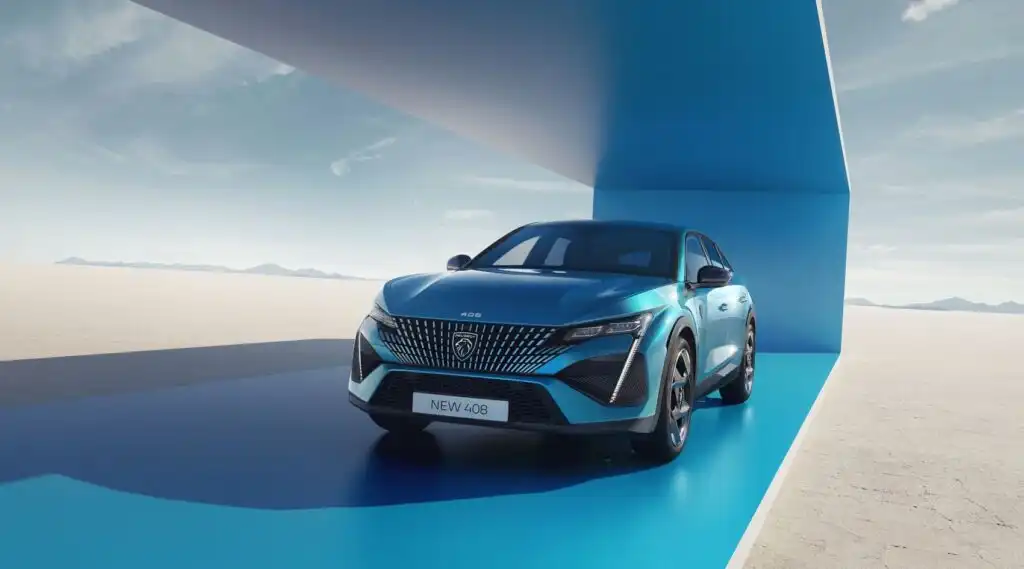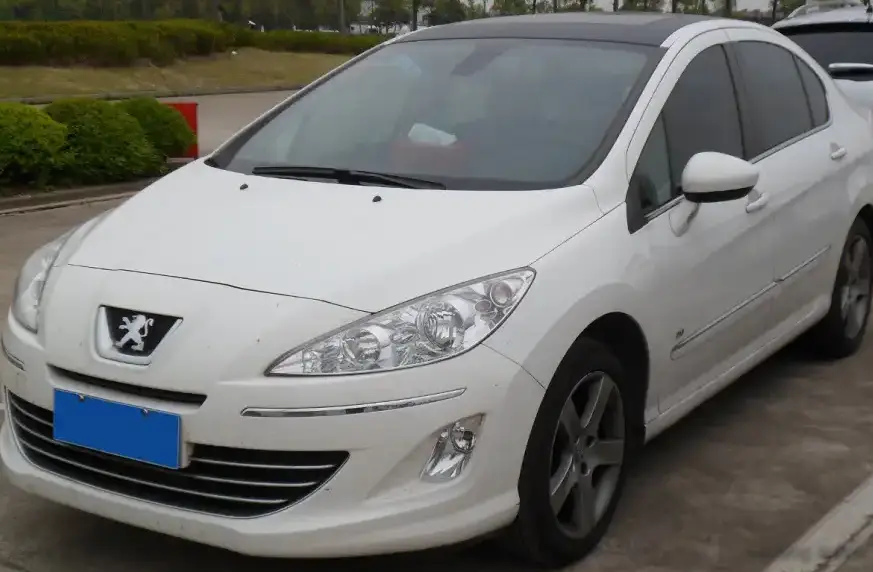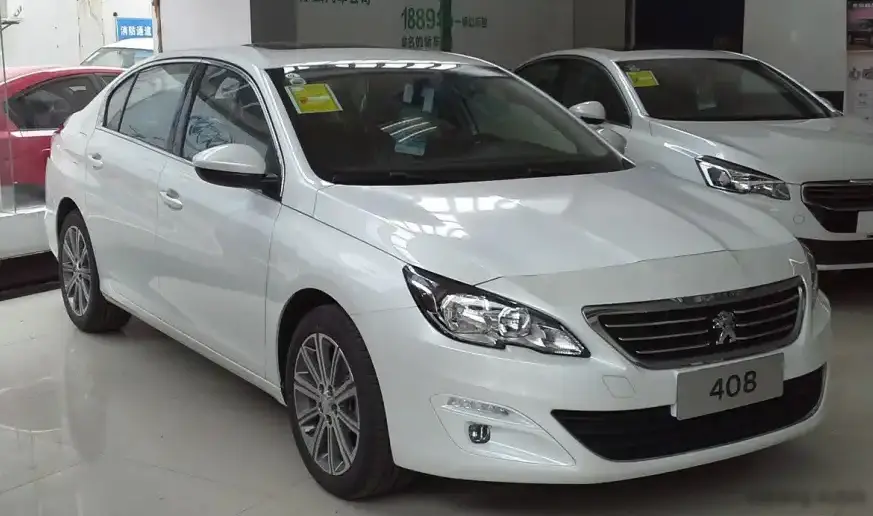
The Peugeot 408 II 1.8 CVVT (139 hp) represents a significant iteration of Peugeot’s mid-size sedan, produced between 2014 and 2017. Positioned as a mainstream offering within the 408 II range, it aimed to provide a balance of fuel efficiency, practicality, and affordability. This variant played a key role in Peugeot’s strategy to compete in the increasingly competitive global sedan market, particularly in regions where larger sedans remained popular. It was built on the EMP2 platform, shared with other PSA Group vehicles of the era.
Technical Specifications
| Brand | Peugeot |
| Model | 408 |
| Generation | 408 II |
| Type (Engine) | 1.8 CVVT (139 Hp) |
| Start of production | 2014 |
| End of production | 2017 |
| Powertrain Architecture | Internal Combustion engine |
| Body type | Sedan |
| Seats | 5 |
| Doors | 4 |
| Fuel consumption (combined) | 5.9 l/100 km (39.9 US mpg, 47.9 UK mpg, 16.9 km/l) |
| Fuel Type | Petrol (Gasoline) |
| Maximum speed | 197 km/h (122.41 mph) |
| Weight-to-power ratio | 9.5 kg/Hp, 105.7 Hp/tonne |
| Weight-to-torque ratio | 7.6 kg/Nm, 130.8 Nm/tonne |
| Power | 139 Hp |
| Power per litre | 76.7 Hp/l |
| Torque | 172 Nm (126.86 lb.-ft.) |
| Engine layout | Front, Transverse |
| Engine Model/Code | EC8 |
| Engine displacement | 1813 cm3 (110.64 cu. in.) |
| Number of cylinders | 4 |
| Engine configuration | Inline |
| Compression ratio | 11:1 |
| Number of valves per cylinder | 4 |
| Fuel injection system | Direct injection |
| Engine aspiration | Naturally aspirated engine |
| Kerb Weight | 1315 kg (2899.08 lbs.) |
| Trunk (boot) space – minimum | 455 l (16.07 cu. ft.) |
| Fuel tank capacity | 53 l (14 US gal | 11.66 UK gal) |
| Length | 4750 mm (187.01 in.) |
| Width | 1820 mm (71.65 in.) |
| Height | 1488 mm (58.58 in.) |
| Wheelbase | 2730 mm (107.48 in.) |
| Front track | 1555 mm (61.22 in.) |
| Rear (Back) track | 1550 mm (61.02 in.) |
| Front overhang | 940 mm (37.01 in.) |
| Rear overhang | 1080 mm (42.52 in.) |
| Ride height (ground clearance) | 124 mm (4.88 in.) |
| Minimum turning circle (turning diameter) | 10.8 m (35.43 ft.) |
| Drivetrain Architecture | The Internal combustion engine (ICE) drives the front wheels of the vehicle. |
| Drive wheel | Front wheel drive |
| Number of gears and type of gearbox | 5 gears, manual transmission |
| Front suspension | Independent, type McPherson with coil spring and anti-roll bar |
| Rear suspension | Independent coil spring |
| Front brakes | Ventilated discs |
| Rear brakes | Disc |
| Assisting systems | ABS (Anti-lock braking system) |
Powertrain & Engine Architecture
The heart of the 408 II 1.8 CVVT is the EC8 engine, a 1.8-liter inline-four cylinder gasoline engine. This engine utilizes variable valve timing (CVVT) technology on both the intake and exhaust valves, optimizing engine performance and fuel efficiency across a wider RPM range. The EC8 engine features direct fuel injection, delivering fuel directly into the combustion chamber for improved combustion control and reduced emissions. The engine’s 16-valve configuration (four valves per cylinder) further enhances its breathing capabilities. The 5-speed manual transmission was the standard offering for this variant, providing a relatively direct connection between the engine and the front wheels. The transmission’s gear ratios were tuned for a balance of acceleration and fuel economy, prioritizing everyday drivability over outright performance.
Driving Characteristics
The 139 hp output of the 1.8 CVVT engine, coupled with the 5-speed manual transmission, resulted in a driving experience geared towards practicality and fuel efficiency rather than sporty performance. Acceleration was adequate for typical commuting and highway merging, but it wasn’t particularly brisk. The engine delivered its peak torque of 172 Nm (126.86 lb.-ft.) at a relatively moderate RPM, providing reasonable responsiveness in everyday driving situations. Compared to the higher-output engine options available in the 408 II lineup (such as the 1.6 THP turbo engine), this variant felt noticeably less powerful. However, the manual transmission allowed drivers to maintain control over the engine’s RPM, maximizing efficiency and providing a more engaging driving experience than an automatic would have.
Equipment & Trim Levels
The 1.8 CVVT variant of the Peugeot 408 II typically served as the entry-level or mid-range trim. Standard equipment generally included air conditioning, power windows, power door locks, a basic audio system with USB connectivity, and ABS brakes. Interior upholstery was typically cloth, with a relatively simple dashboard layout. Optional extras could include alloy wheels, a more advanced audio system, rear parking sensors, and cruise control. The trim level often dictated the availability of features like fog lights and different interior color schemes.
Chassis & Braking
The 408 II utilized a McPherson strut front suspension and an independent coil spring rear suspension. This setup provided a comfortable ride quality, absorbing bumps and imperfections in the road surface effectively. The front brakes were ventilated discs, offering good stopping power, while the rear brakes were solid discs. ABS (Anti-lock Braking System) was standard, enhancing safety during emergency braking situations. The suspension tuning was geared towards comfort and stability, rather than aggressive handling. Stabilizer bars were included at both the front and rear to reduce body roll during cornering.
Market Reception & Comparison
The Peugeot 408 II 1.8 CVVT was generally well-received as a practical and affordable mid-size sedan. Critics praised its fuel efficiency and comfortable ride, but noted its lack of outright performance compared to some of its competitors. Compared to the more powerful 1.6 THP turbo engine option within the 408 II range, the 1.8 CVVT offered lower running costs but less excitement. In terms of reliability, the EC8 engine proved to be generally dependable, although regular maintenance was crucial to prevent issues. Fuel economy figures of around 39.9 US mpg (combined) were competitive for its class.
Legacy
The Peugeot 408 II 1.8 CVVT remains a relatively common sight on the used car market. Its reputation for reliability and fuel efficiency makes it an attractive option for budget-conscious buyers. The EC8 engine, while not particularly high-tech, has proven to be durable and relatively easy to maintain. However, potential buyers should be aware of the importance of regular servicing, including oil changes and timing belt replacements. The 408 II, in general, helped Peugeot maintain a presence in the competitive mid-size sedan segment, offering a compelling alternative to established rivals from brands like Toyota, Honda, and Ford.