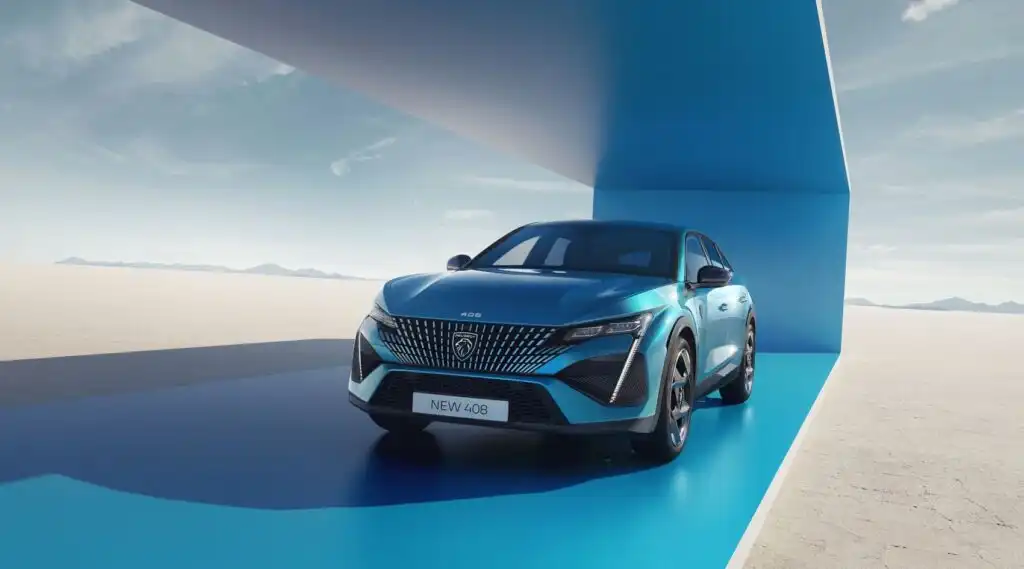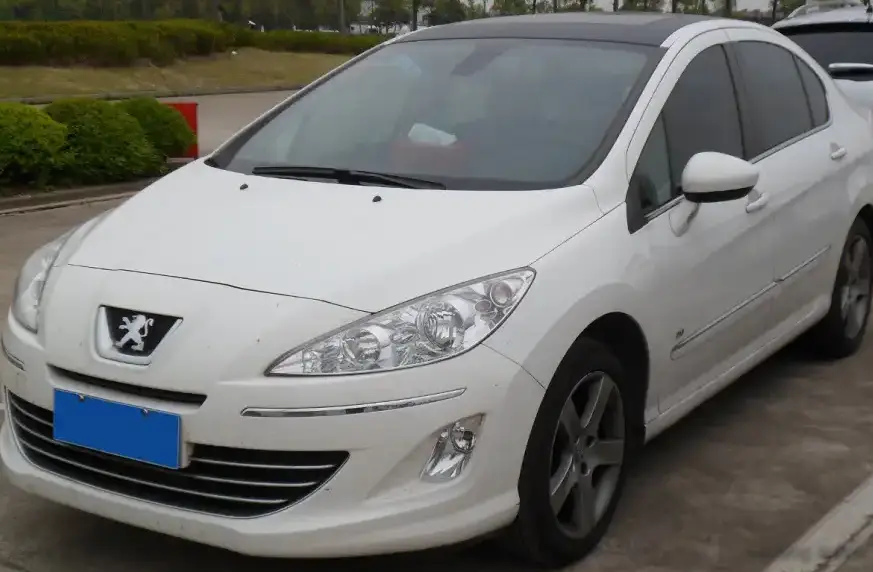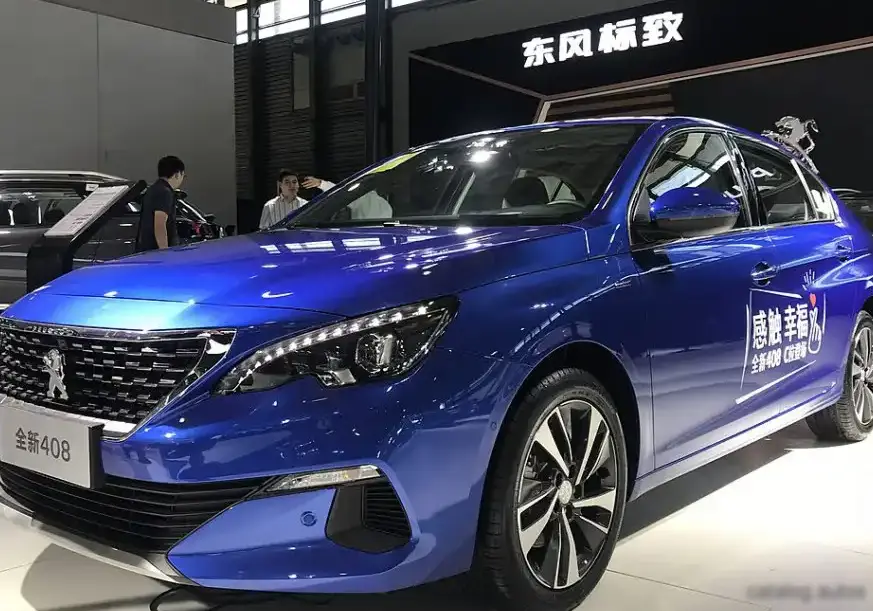
The Peugeot 408 II, specifically the 230THP PureTech variant producing 136 horsepower, represents a significant iteration of Peugeot’s mid-size sedan, manufactured from 2018 to 2022. This facelifted version of the 408, built upon the EMP2 platform, aimed to refine the model’s appeal in a competitive segment. The 230THP PureTech trim occupied a middle ground within the 408 lineup, offering a balance between performance, fuel efficiency, and affordability. It served as a popular choice for buyers seeking a modern, comfortable sedan with a downsized, turbocharged engine.
Technical Specifications
| Brand | Peugeot |
| Model | 408 |
| Generation | 408 II (facelift 2018) |
| Type (Engine) | 230THP PureTech (136 Hp) |
| Start of production | 2018 |
| End of production | 2022 |
| Powertrain Architecture | Internal Combustion engine |
| Body type | Sedan |
| Seats | 5 |
| Doors | 4 |
| Fuel consumption (combined) | 4.9 l/100 km (48 US mpg, 57.6 UK mpg, 20.4 km/l) |
| Fuel Type | Petrol (Gasoline) |
| Maximum speed | 205 km/h (127.38 mph) |
| Weight-to-power ratio | 9.6 kg/Hp, 103.8 Hp/tonne |
| Weight-to-torque ratio | 5.7 kg/Nm, 175.6 Nm/tonne |
| Power | 136 Hp @ 5500 rpm |
| Power per litre | 113.4 Hp/l |
| Torque | 230 Nm @ 1750-3500 rpm (169.64 lb.-ft. @ 1750-3500 rpm) |
| Engine layout | Front, Transverse |
| Engine displacement | 1199 cm3 (73.17 cu. in.) |
| Number of cylinders | 3 |
| Engine configuration | Inline |
| Number of valves per cylinder | 4 |
| Fuel injection system | Direct injection |
| Engine aspiration | Turbocharger, Intercooler |
| Kerb Weight | 1310 kg (2888.06 lbs.) |
| Trunk (boot) space – minimum | 455 l (16.07 cu. ft.) |
| Fuel tank capacity | 53 l (14 US gal | 11.66 UK gal) |
| Length | 4750 mm (187.01 in.) |
| Width | 1820 mm (71.65 in.) |
| Height | 1488 mm (58.58 in.) |
| Wheelbase | 2730 mm (107.48 in.) |
| Drivetrain Architecture | The Internal combustion engine (ICE) drives the front wheels of the vehicle. |
| Drive wheel | Front wheel drive |
| Number of gears and type of gearbox | 5 gears, manual transmission |
| Front suspension | Independent, type McPherson with coil spring and anti-roll bar |
| Rear suspension | Independent coil spring |
| Front brakes | Ventilated discs |
| Rear brakes | Disc |
| Assisting systems | ABS (Anti-lock braking system) |
Powertrain & Engine Architecture
The heart of the 408 II 230THP PureTech is the EP6C engine, a 1.2-liter (1199cc) turbocharged inline-three cylinder gasoline engine. This engine is part of Peugeot’s PureTech family, known for its efficiency and responsiveness. The engine utilizes direct fuel injection, delivering fuel directly into the combustion chamber for improved combustion efficiency and reduced emissions. A single-scroll turbocharger with an intercooler provides forced induction, boosting power output. The engine features a four-valve-per-cylinder configuration and a timing chain for durability. The 230THP designation indicates a power output of 136 horsepower at 5500 rpm and 230 Nm (169.64 lb-ft) of torque available from 1750 to 3500 rpm. This engine was paired with a five-speed manual transmission, directing power to the front wheels.
Driving Characteristics
The 1.2L PureTech engine, while not exceptionally powerful, provided adequate performance for everyday driving. Acceleration was reasonable, with the car reaching 60 mph in around 9.5 seconds. The turbocharger helped to mitigate turbo lag, providing a relatively linear power delivery. The five-speed manual transmission offered precise shifts, allowing drivers to make the most of the engine’s torque band. Compared to the more powerful 1.6 THP variants, the 230THP felt less eager to rev, but it offered better fuel economy. The gear ratios were tuned for efficiency rather than outright performance, making it a comfortable cruiser on the highway. The relatively low weight of the 408, around 2888 lbs, helped to offset the modest power output. The engine’s torque curve was well-suited to typical commuting and highway driving, providing sufficient power for overtaking maneuvers without requiring frequent downshifts.
Equipment & Trim Levels
The 230THP PureTech trim typically included standard features such as air conditioning, power windows, power mirrors, a touchscreen infotainment system with Bluetooth connectivity, and alloy wheels. Safety features included ABS, electronic stability control, and multiple airbags. Higher trim levels offered additional features like automatic climate control, a panoramic sunroof, leather upholstery, and advanced driver-assistance systems such as lane departure warning and automatic emergency braking. Interior upholstery was typically cloth, with options for partial leather. The dashboard layout was modern and functional, with a focus on ergonomics. Peugeot offered various option packages allowing buyers to customize their 408 with features like a premium audio system, parking sensors, and a rear-view camera. The trim level also influenced the exterior styling, with higher trims featuring chrome accents and upgraded wheel designs.
Chassis & Braking
The Peugeot 408 II utilized a McPherson strut front suspension and an independent coil spring rear suspension. This setup provided a comfortable ride quality while maintaining reasonable handling characteristics. The front suspension incorporated an anti-roll bar to reduce body roll during cornering. The braking system consisted of ventilated discs at the front and solid discs at the rear. ABS (Anti-lock Braking System) was standard, enhancing braking performance and stability. The steering was electrically assisted, providing light and precise steering feel. The suspension tuning prioritized comfort over sporty handling, making it well-suited for everyday driving conditions. The chassis was designed to minimize noise, vibration, and harshness, contributing to a refined driving experience.
Market Reception & Comparison
The Peugeot 408 II 230THP PureTech was generally well-received by automotive critics. It was praised for its fuel efficiency, comfortable ride, and modern styling. However, some critics noted that the engine could feel strained when fully loaded or during aggressive driving. Compared to the more powerful 1.6 THP variants, the 230THP offered better fuel economy, achieving around 48 US mpg on the combined cycle. It was also generally more affordable to maintain, as the smaller engine had fewer potential failure points. The 230THP appealed to buyers who prioritized fuel efficiency and comfort over outright performance. It competed directly with other mid-size sedans like the Volkswagen Passat and Ford Mondeo, offering a more stylish and refined alternative in some markets.
Legacy
The 1.2 PureTech engine, including the 230THP variant, has proven to be a relatively reliable powertrain, although some early models experienced issues with the timing chain. Regular maintenance, including oil changes and timing chain inspections, is crucial for long-term reliability. In the used car market, the 408 II 230THP PureTech represents a good value proposition, offering a comfortable and efficient sedan at an affordable price. Its fuel efficiency and relatively low running costs make it an attractive option for budget-conscious buyers. The 408 II, and specifically this trim, helped solidify Peugeot’s reputation for producing stylish and well-equipped vehicles. While not a performance icon, the 230THP PureTech offered a practical and appealing option for a wide range of drivers, contributing to the 408’s overall success in the mid-size sedan segment.