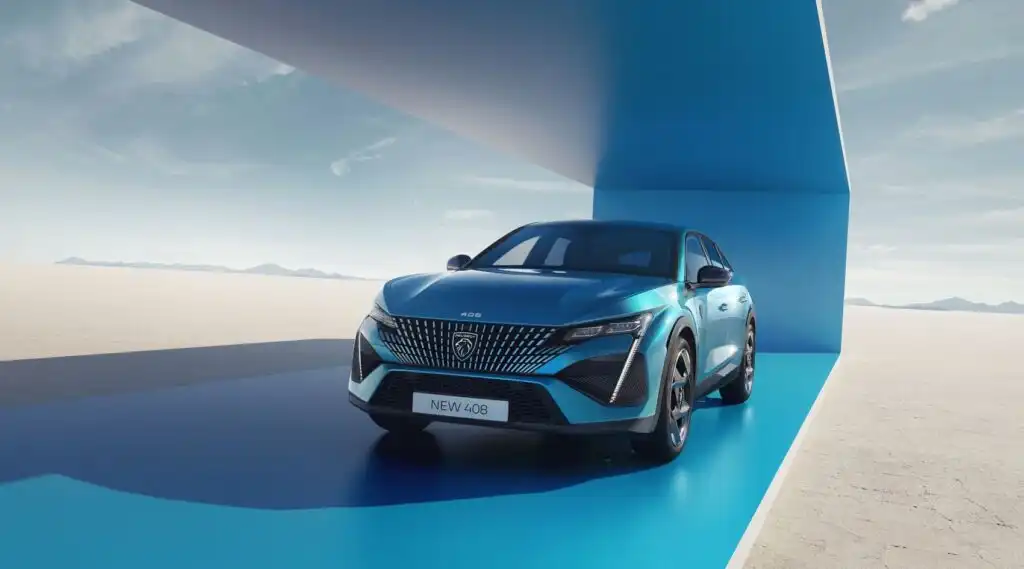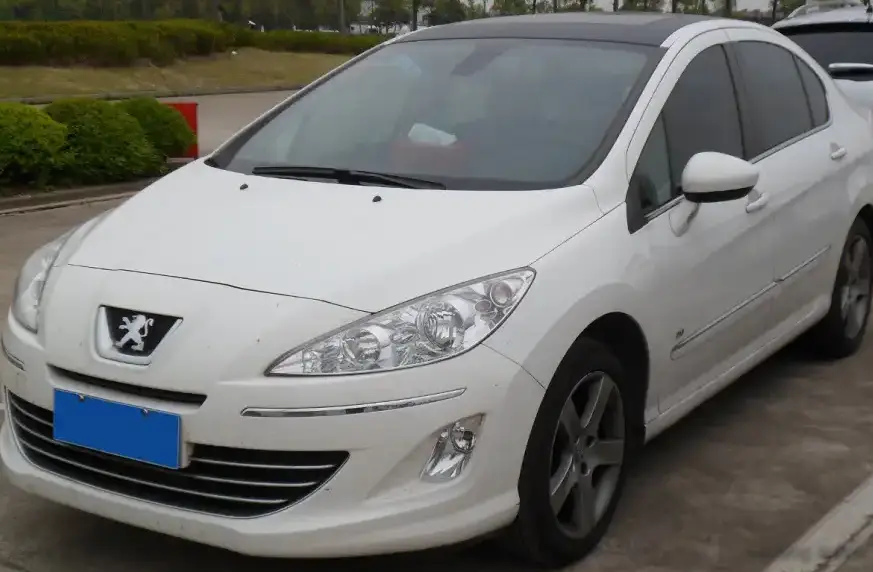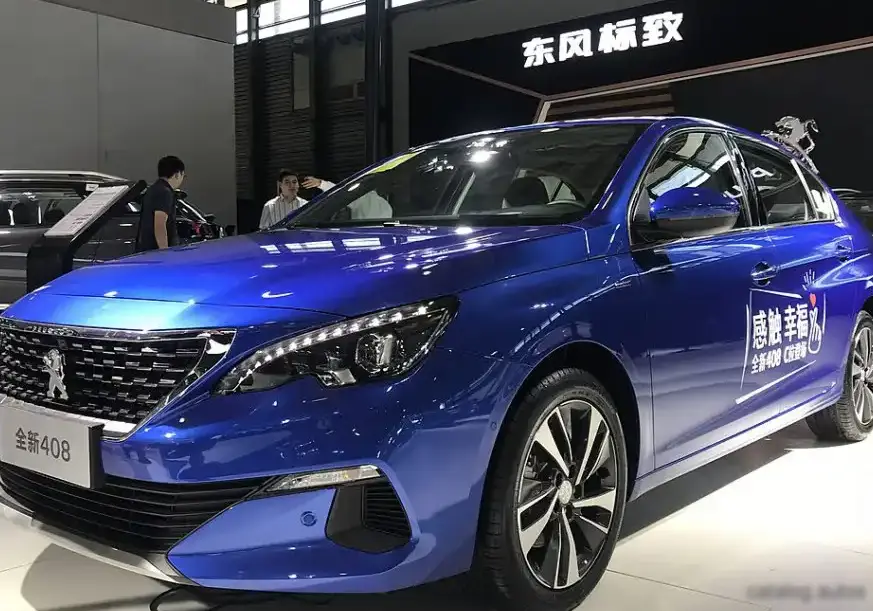
The Peugeot 408 II, specifically the 350THP PureTech variant with a 167 horsepower engine and automatic transmission, represents a significant iteration of Peugeot’s mid-size sedan, produced from 2018 to 2022. This facelifted version of the 408, built on the EMP2 platform, aimed to refine the model’s styling, technology, and driving experience. Positioned as a mid-range offering within the 408 lineup, it bridged the gap between the more economical BlueHDi diesel options and the higher-performance GT models. The 350THP was primarily marketed in Europe and other international markets, offering a balance of performance and fuel efficiency for buyers seeking a comfortable and stylish sedan.
Technical Specifications
| Brand | Peugeot |
| Model | 408 |
| Generation | 408 II (facelift 2018) |
| Type (Engine) | 350THP PureTech (167 Hp) Automatic |
| Start of production | 2018 |
| End of production | 2022 |
| Powertrain Architecture | Internal Combustion engine |
| Body type | Sedan |
| Seats | 5 |
| Doors | 4 |
| Fuel consumption (combined) | 5.9 l/100 km (39.9 US mpg, 47.9 UK mpg, 16.9 km/l) |
| Fuel Type | Petrol (Gasoline) |
| Maximum speed | 215 km/h (133.59 mph) |
| Weight-to-power ratio | 8.3 kg/Hp, 121 Hp/tonne |
| Weight-to-torque ratio | 5.6 kg/Nm, 177.5 Nm/tonne |
| Power | 167 Hp @ 6000 rpm |
| Power per litre | 104.5 Hp/l |
| Torque | 245 Nm @ 1400-4000 rpm (180.7 lb.-ft. @ 1400-4000 rpm) |
| Engine layout | Front, Transverse |
| Engine displacement | 1598 cm3 (97.52 cu. in.) |
| Number of cylinders | 4 |
| Engine configuration | Inline |
| Number of valves per cylinder | 4 |
| Fuel injection system | Direct injection |
| Engine aspiration | Turbocharger, Intercooler |
| Kerb Weight | 1380 kg (3042.38 lbs.) |
| Trunk (boot) space – minimum | 455 l (16.07 cu. ft.) |
| Fuel tank capacity | 53 l (14 US gal | 11.66 UK gal) |
| Length | 4750 mm (187.01 in.) |
| Width | 1820 mm (71.65 in.) |
| Height | 1488 mm (58.58 in.) |
| Wheelbase | 2730 mm (107.48 in.) |
| Drivetrain Architecture | The Internal combustion engine (ICE) drives the front wheels of the vehicle. |
| Drive wheel | Front wheel drive |
| Number of gears and type of gearbox | 6 gears, automatic transmission |
| Front suspension | Independent, type McPherson with coil spring and anti-roll bar |
| Rear suspension | Independent coil spring |
| Front brakes | Ventilated discs |
| Rear brakes | Disc |
| Assisting systems | ABS (Anti-lock braking system) |
Powertrain & Engine Architecture
At the heart of the 408 II 350THP lies Peugeot’s 1.6-liter (1598cc) turbocharged four-cylinder engine, internally designated as the EP6 CDT. This engine is part of the PureTech family, known for its direct fuel injection and advanced combustion technology. The engine utilizes a single-scroll turbocharger with an intercooler to boost power and efficiency. The direct injection system, coupled with variable valve timing on both intake and exhaust valves, optimizes combustion for improved performance and reduced emissions. The 350THP produces 167 horsepower at 6000 rpm and 245 Nm (180.7 lb-ft) of torque available from a low 1400 rpm, providing a broad and usable powerband. The engine is paired with a six-speed automatic transmission (Aisin D6), chosen for its smooth shifting and responsiveness. This transmission is a conventional torque-converter automatic, offering a balance between comfort and efficiency.
Driving Characteristics
The 408 II 350THP Automatic delivers a comfortable and refined driving experience. The 167 hp engine provides adequate power for everyday driving and highway cruising, although it doesn’t offer the brisk acceleration of the more powerful GT models. The automatic transmission is well-tuned, providing smooth gear changes and responsive downshifts. The broad torque curve ensures that the engine feels responsive at lower speeds, making it easy to navigate city traffic. Compared to the manual transmission versions of the same engine, the automatic offers greater convenience, but at the expense of some fuel economy and driver engagement. The weight-to-power ratio of 8.3 kg/hp results in a respectable, but not exhilarating, performance. The car feels stable and composed on the road, with well-weighted steering and predictable handling.
Equipment & Trim Levels
The 350THP variant of the 408 II typically came equipped with a generous level of standard features. These included air conditioning, power windows and mirrors, a touchscreen infotainment system with Bluetooth connectivity, and a suite of safety features such as ABS, ESP, and multiple airbags. Higher trim levels offered additional features such as leather upholstery, a panoramic sunroof, a navigation system, and advanced driver-assistance systems like adaptive cruise control and lane departure warning. Interior upholstery was typically cloth on the base models, with leather options available on higher trims. The dashboard layout was modern and ergonomically designed, with a focus on ease of use. Optional extras included a premium sound system, parking sensors, and a reversing camera.
Chassis & Braking
The 408 II utilizes a McPherson strut front suspension and an independent coil spring rear suspension. This setup provides a good balance between ride comfort and handling. The suspension is tuned to prioritize comfort, but still offers decent body control in corners. The front brakes are ventilated discs, while the rear brakes are solid discs, providing adequate stopping power for the vehicle’s weight and performance. The car is equipped with ABS (Anti-lock Braking System) and ESP (Electronic Stability Program) as standard safety features. Stabilizer bars are fitted to both the front and rear axles to reduce body roll during cornering.
Market Reception & Comparison
The Peugeot 408 II 350THP Automatic was generally well-received by automotive critics. It was praised for its comfortable ride, refined engine, and stylish design. However, some critics noted that the engine lacked the outright performance of some of its rivals. Compared to the 408 II BlueHDi diesel variants, the 350THP offered a more responsive driving experience, but with slightly higher fuel consumption. Compared to the higher-performance GT models, the 350THP provided a more affordable and fuel-efficient option, albeit with less power. Fuel economy was rated at around 5.9 l/100 km (39.9 US mpg), which was competitive for its class.
Legacy
The Peugeot 408 II 350THP PureTech Automatic has proven to be a relatively reliable vehicle in the used car market. The 1.6-liter PureTech engine, while initially prone to some issues with the timing chain on earlier iterations, has been generally reliable in this later, facelifted version. Regular maintenance, including oil changes and timing chain inspections, is crucial for ensuring long-term reliability. The Aisin D6 automatic transmission is also known for its durability. Today, the 408 II 350THP represents a good value proposition for buyers seeking a comfortable, stylish, and relatively fuel-efficient mid-size sedan. Its blend of performance, practicality, and affordability has ensured its continued popularity in the used car market.