
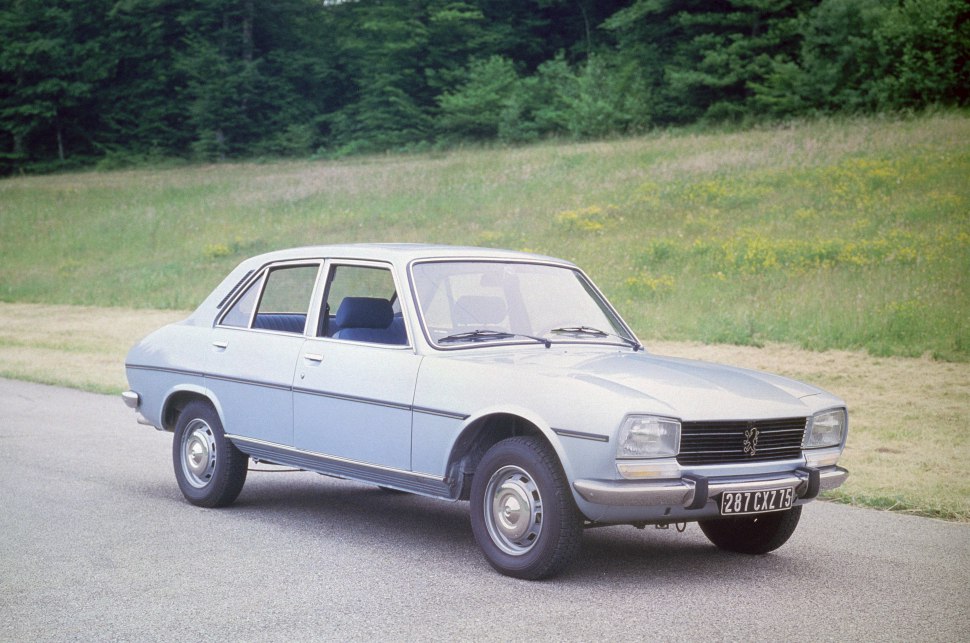
The Peugeot 504, specifically the 1.8-liter (A01, A03) variant producing 82 horsepower, represents a pivotal moment in the French automaker’s history. Introduced in 1968 and produced through 1971 in its initial form, the 504 was a large family car designed to replace the aging Peugeot 404. It quickly gained recognition for its robust engineering, comfortable ride, and sophisticated styling – a departure from the more utilitarian designs of its predecessors. While not initially sold in significant numbers in the United States, the 504 became immensely popular in Europe, Africa, and South America, establishing a lasting legacy as a durable and adaptable vehicle. The 504 was more than just a car; it was a symbol of modern French automotive design and engineering prowess.
Peugeot 504: A Landmark Vehicle
The Peugeot 504 was a groundbreaking vehicle for its time, representing a significant investment for the company. Pininfarina, the renowned Italian design house, was commissioned to style the car, resulting in a sleek and elegant four-door sedan. This collaboration marked a shift towards more aesthetically pleasing designs for Peugeot, moving away from purely functional aesthetics. The 504’s design was considered innovative, featuring a long hood, a spacious cabin, and a relatively short rear deck. It was available in various body styles throughout its production run, including a coupe, convertible, estate (wagon), and pickup truck, demonstrating its versatility and adaptability to different markets. The initial A01 and A03 designations refer to early production variations, primarily concerning minor trim and equipment differences.
Engine & Performance
The 1.8-liter engine, designated XM, was the heart of the early Peugeot 504 models. This naturally aspirated, inline-four cylinder engine produced 82 horsepower. While this output may seem modest by modern standards, it provided adequate performance for the vehicle’s intended purpose – comfortable and reliable family transportation. The engine featured a single overhead camshaft and a two-barrel carburetor, a common configuration for the era. The engine’s durability and relatively simple design contributed to the 504’s reputation for reliability, particularly in challenging conditions. The engine was paired with either a four-speed manual transmission or a three-speed automatic transmission, offering drivers a choice based on their preferences. Performance figures were not the primary focus; instead, the emphasis was on smooth operation and fuel efficiency, which were important considerations in the late 1960s and early 1970s. The 504’s suspension system, featuring independent front suspension and a live axle with trailing arms at the rear, contributed to a comfortable ride quality, absorbing bumps and irregularities in the road effectively.
Design & Features
The Peugeot 504’s body style was definitively a four-door sedan. Pininfarina’s design emphasized elegance and spaciousness. The interior was designed with practicality and comfort in mind, offering ample room for passengers and luggage. The dashboard layout was functional, with clearly labeled controls and gauges. Early models featured cloth upholstery and vinyl trim, reflecting the materials commonly used in automobiles of that period. Safety features, while limited by the standards of the time, included seat belts and a robust chassis structure. Disc brakes were fitted to the front wheels, providing improved stopping power compared to drum brakes. The 504’s build quality was generally considered to be high, with attention paid to detail and durability. The car’s styling was influential, inspiring other automotive designs of the era. The 504’s enduring appeal lies in its timeless design and its ability to blend style with practicality. The car’s relatively simple mechanical design also made it easier to maintain and repair, contributing to its longevity and popularity in regions where access to specialized automotive services was limited.
Technical Specifications
| Brand | Peugeot |
| Model | 504 |
| Generation | 504 |
| Type (Engine) | 1.8 (A01, A03) (82 Hp) |
| Start of production | 1968 |
| End of production | 1971 |
| Powertrain Architecture | Internal Combustion engine |
| Body type | Sedan |
| Fuel Type | Petrol (Gasoline) |
| Power | 82 Hp |
| Engine Model/Code | XM |
| Engine aspiration | Naturally aspirated engine |
| Engine oil capacity | 4 l |
| Engine oil capacity (US qt) | 4.23 US qt |
| Engine oil capacity (UK qt) | 3.52 UK qt |
| Coolant capacity | 7.8 l |
| Coolant capacity (US qt) | 8.24 US qt |
| Coolant capacity (UK qt) | 6.86 UK qt |
The Peugeot 504, in its various iterations, enjoyed a long and successful production run, extending well beyond the initial 1968-1971 period of the 1.8-liter model. Production continued in various locations, including Argentina and Nigeria, until the late 1990s and early 2000s, respectively. This extended lifespan is a testament to the vehicle’s robust design and its adaptability to different market needs. The 504’s legacy continues to this day, with a dedicated following of enthusiasts who appreciate its classic styling, reliable mechanicals, and historical significance. It remains a sought-after classic car, particularly in Europe and South America, where it is often seen as a symbol of a bygone era of automotive engineering.
