
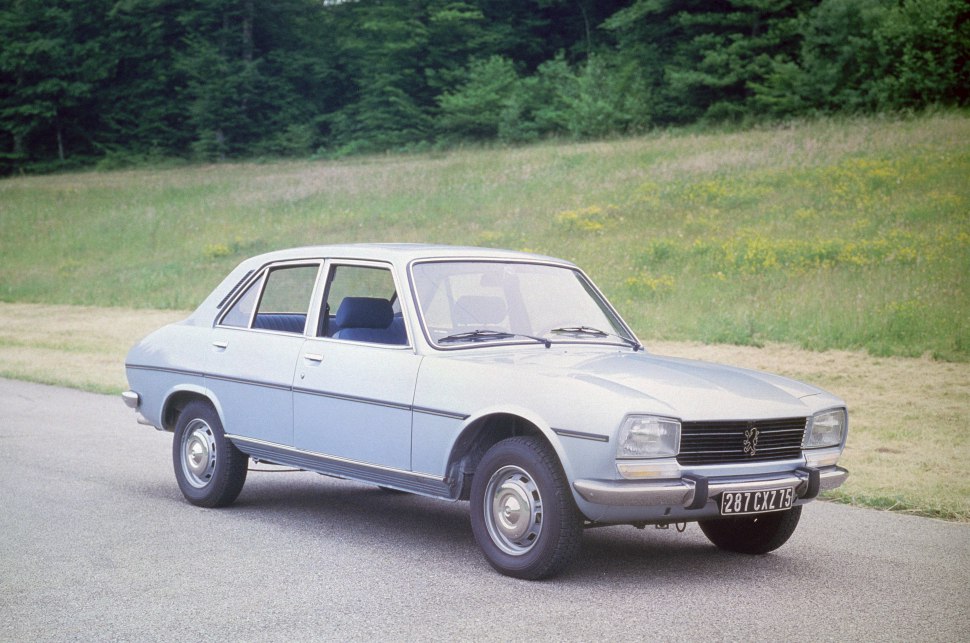
The Peugeot 504, specifically the 1.8 Injection (A02) model produced between 1968 and 1971, represents a pivotal moment in the French automaker’s history. Launched as a replacement for the aging Peugeot 404, the 504 was designed to offer a more modern, comfortable, and technologically advanced vehicle for the burgeoning post-war European market. While never officially sold in the United States, the 504 achieved significant success in Europe, Africa, and South America, becoming renowned for its durability, independent suspension, and sophisticated styling for its time. The 1.8 Injection variant, with its fuel injection system, was a premium offering, aimed at buyers seeking improved performance and refinement compared to the carbureted models.
Peugeot 504: A Landmark Vehicle
The Peugeot 504 was more than just a replacement for the 404; it was a statement of intent. Peugeot aimed to create a vehicle that could compete with the best Europe had to offer, and the 504 largely succeeded. Its design, penned by Italian stylist Pininfarina, was a departure from the more boxy designs of the past, embracing a more fluid and elegant aesthetic. The car’s engineering was equally impressive, featuring a sophisticated independent suspension system that provided a comfortable ride and excellent handling. The 504’s robust construction and reliable mechanicals made it particularly popular in regions with challenging road conditions, cementing its reputation as a durable and dependable vehicle.
Early Production and Market Positioning
The initial production run of the 504, from 1968 to 1971, saw the introduction of various engine options, culminating in the 1.8 Injection (A02) model. This version was positioned as the top-of-the-line offering, boasting a fuel-injected engine that delivered increased power and smoother operation. The fuel injection system, while relatively uncommon at the time, provided more precise fuel delivery, resulting in improved fuel efficiency and reduced emissions compared to traditional carbureted engines. The 504’s success wasn’t limited to the European market; it quickly gained a foothold in Africa and South America, where its ruggedness and reliability were highly valued.
Engine & Performance
The heart of the Peugeot 504 1.8 Injection (A02) is its KF6 engine, a 1.8-liter, naturally aspirated inline-four cylinder powerplant. This engine, equipped with mechanical fuel injection, produces 97 horsepower. While this figure may seem modest by modern standards, it was a respectable output for a vehicle of this size and era. The fuel injection system, a significant advancement for the time, allowed for more precise control over the air-fuel mixture, resulting in improved throttle response and overall performance. The engine’s relatively high compression ratio contributed to its power output, but also required the use of premium gasoline in some markets.
The 504’s performance characteristics were geared towards comfortable cruising rather than outright speed. Acceleration was adequate, and the car was capable of reaching a top speed of around 95 miles per hour. However, the 504’s true strength lay in its ability to maintain a steady speed on long journeys, thanks to its comfortable ride and refined engine. The engine was paired with either a four-speed manual or a three-speed automatic transmission, offering drivers a choice between greater control and ease of use. The drivetrain configuration was rear-wheel drive, a common setup for European sedans of the time.
Mechanical Innovations
Beyond the fuel injection system, the KF6 engine incorporated several other notable features. It utilized a cast iron block and an aluminum cylinder head, a combination that provided both strength and relatively light weight. The engine also featured a single overhead camshaft, operating two valves per cylinder. This configuration, while not as sophisticated as some contemporary designs, offered a good balance between performance and reliability. The engine’s robust construction and relatively simple design contributed to its longevity and ease of maintenance.
Design & Features
The Peugeot 504’s design was a significant departure from the more utilitarian styling of its predecessor. Pininfarina’s influence is evident in the car’s elegant lines, sloping roofline, and overall sense of proportion. The 504’s body was a classic three-box sedan configuration, with a distinct separation between the engine compartment, passenger cabin, and trunk. The car’s interior was similarly well-designed, offering a comfortable and spacious environment for both driver and passengers.
The 504’s independent suspension system was a key feature, providing a smooth and controlled ride. The front suspension utilized double wishbones, while the rear suspension employed a trailing arm design. This setup allowed the car to absorb bumps and irregularities in the road surface with ease, enhancing both comfort and handling. Safety features, while limited by the standards of the time, included disc brakes on the front wheels and robust body construction. The 504’s interior appointments were relatively basic, but well-executed, with comfortable seats and a functional dashboard layout. The 1.8 Injection model typically featured upgraded interior trim and additional features, such as a wood-grain dashboard and premium upholstery.
Legacy and Influence
The Peugeot 504’s design and engineering had a lasting impact on the automotive industry. Its elegant styling influenced a generation of European sedans, and its independent suspension system set a new standard for ride comfort and handling. The 504’s durability and reliability made it a popular choice in challenging environments, and its success helped to establish Peugeot as a major player in the global automotive market. The 504 remains a highly sought-after classic car today, appreciated for its timeless design, robust construction, and historical significance.
Technical Specifications
| Brand | Peugeot |
| Model | 504 |
| Generation | 504 |
| Type (Engine) | 1.8 Injection (A02) (97 Hp) |
| Start of production | 1968 |
| End of production | 1971 |
| Powertrain Architecture | Internal Combustion engine |
| Body type | Sedan |
| Fuel Type | Petrol (Gasoline) |
| Power | 97 Hp |
| Engine Model/Code | KF6 |
| Engine aspiration | Naturally aspirated engine |
| Engine oil capacity | 4 l (4.23 US qt | 3.52 UK qt) |
| Coolant capacity | 7.8 l (8.24 US qt | 6.86 UK qt) |
