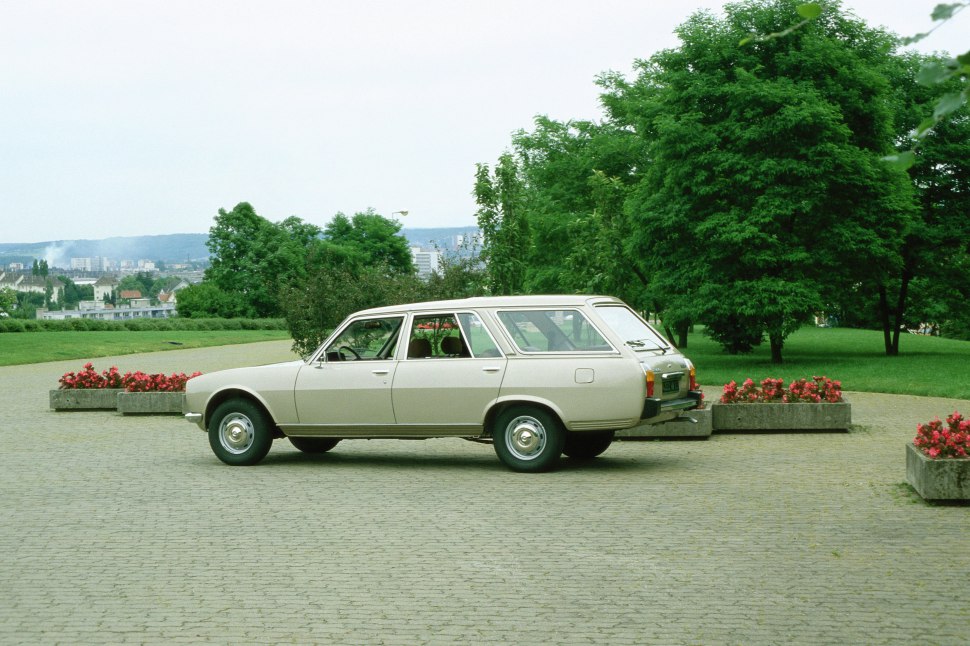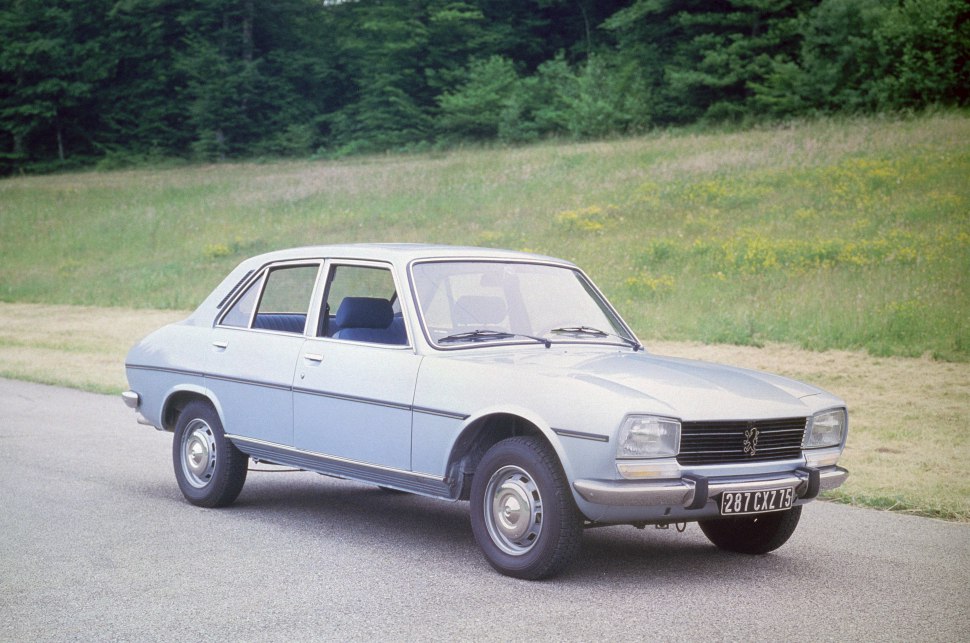
The Peugeot 504, specifically the 1.8 (M03) variant producing 79 horsepower, represents a pivotal moment in the French automaker’s history and a significant contribution to automotive design in the late 20th century. Introduced in 1968 as a replacement for the Peugeot 404, the 504 was initially intended as a modern, spacious, and reliable vehicle for the European market, particularly France and other European nations. While never officially sold in the United States due to import regulations and differing consumer preferences, the 504 achieved considerable success in Europe, Africa, and South America, becoming renowned for its robust construction, independent suspension, and elegant styling. The 1.8-liter version, introduced later in the production run, offered a balance of performance and fuel economy, making it a popular choice for everyday drivers. Production spanned from 1971 to 1983, with variations continuing in some markets even longer, solidifying its legacy as one of Peugeot’s most enduring models.
The Peugeot 504: A Legacy of Engineering and Design
The Peugeot 504 was more than just a replacement for the 404; it was a deliberate step towards a more sophisticated and modern automotive experience. Pininfarina, the renowned Italian design house, was commissioned to style the 504, resulting in a sleek, low-slung profile that was considered groundbreaking for its time. The car’s design emphasized both aesthetics and functionality, with a spacious cabin and a relatively large trunk. The 504 was available in various body styles, including a four-door sedan, a coupe, a convertible (produced by Pininfarina themselves), and a station wagon (estate). The 1.8-liter engine, designated the XM7, became a mainstay in the lineup, offering a practical and reliable power source for the majority of the production run.
Engine & Performance
The heart of the Peugeot 504 1.8 (M03) is the XM7 engine, a 1,796 cc (1.8-liter) naturally aspirated inline-four cylinder gasoline engine. This engine produces 79 horsepower, providing adequate power for comfortable cruising and everyday driving. While not a performance-oriented engine, the XM7 was known for its durability and relatively low maintenance requirements. The engine features a single overhead camshaft (SOHC) design and a two-barrel carburetor, typical for engines of this era. Power is delivered to the rear wheels via a four-speed manual or a three-speed automatic transmission. The rear-wheel-drive configuration contributed to the 504’s balanced handling characteristics. The 504’s performance figures were modest by modern standards, with a 0-60 mph time estimated around 12-14 seconds and a top speed of approximately 95-100 mph. However, the focus was not on outright speed but on providing a comfortable and reliable driving experience. The engine’s relatively simple design made it easy to repair and maintain, a crucial factor in its popularity in regions with limited access to specialized automotive services.
Design & Features
The Peugeot 504’s design was a significant departure from its predecessor, the 404. The low-slung silhouette, sharp lines, and large glass areas gave the car a modern and sophisticated appearance. The sedan body style, the most common variant, offered ample space for passengers and luggage. The interior was functional and well-appointed for its time, featuring comfortable seats and a straightforward dashboard layout. Early models featured a relatively basic level of equipment, but later versions incorporated improvements such as power steering, air conditioning, and upgraded interior trim. A key feature of the 504 was its independent suspension system, which provided a comfortable ride and improved handling compared to cars with traditional solid axles. Disc brakes were fitted to the front wheels, while drum brakes were used at the rear. Safety features were limited by the standards of the time, but the 504 offered a relatively robust structure and a good level of visibility. The car’s enduring appeal lies in its elegant design, comfortable ride, and reputation for reliability. The 504’s design influenced automotive styling for years to come, and it remains a popular choice among classic car enthusiasts.
Technical Specifications
| Brand | Peugeot |
| Model | 504 |
| Generation | 504 |
| Type (Engine) | 1.8 (M03) (79 Hp) |
| Start of production | 1971 |
| End of production | 1983 |
| Powertrain Architecture | Internal Combustion engine |
| Body type | Sedan |
| Fuel Type | Petrol (Gasoline) |
| Power | 79 Hp |
| Engine Model/Code | XM7 |
| Engine aspiration | Naturally aspirated engine |
| Engine oil capacity | 4 l (4.23 US qt | 3.52 UK qt) |
| Coolant capacity | 7.8 l (8.24 US qt | 6.86 UK qt) |
The Peugeot 504, particularly the 1.8 (M03) variant, holds a significant place in automotive history. Its combination of elegant design, robust engineering, and comfortable ride made it a popular choice for drivers in Europe, Africa, and South America. While it never officially reached the shores of the United States, its influence can be seen in the design and engineering of subsequent vehicles. The 504’s enduring legacy is a testament to Peugeot’s commitment to quality and innovation, and it remains a cherished classic among automotive enthusiasts worldwide. Its simple, reliable engine and durable construction ensured its longevity, and many examples continue to be seen on the road today, a testament to its enduring appeal.