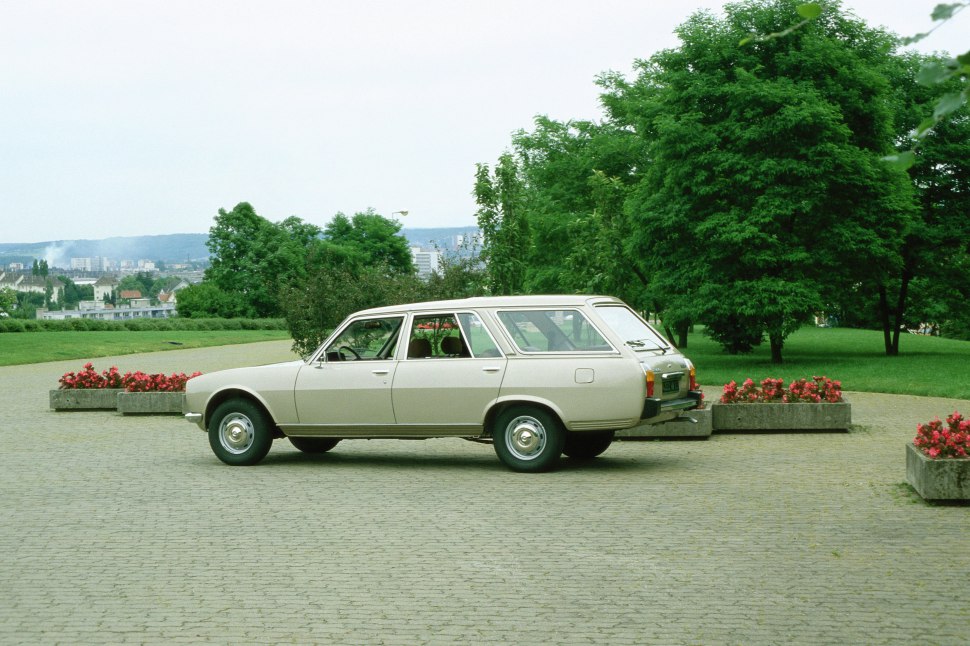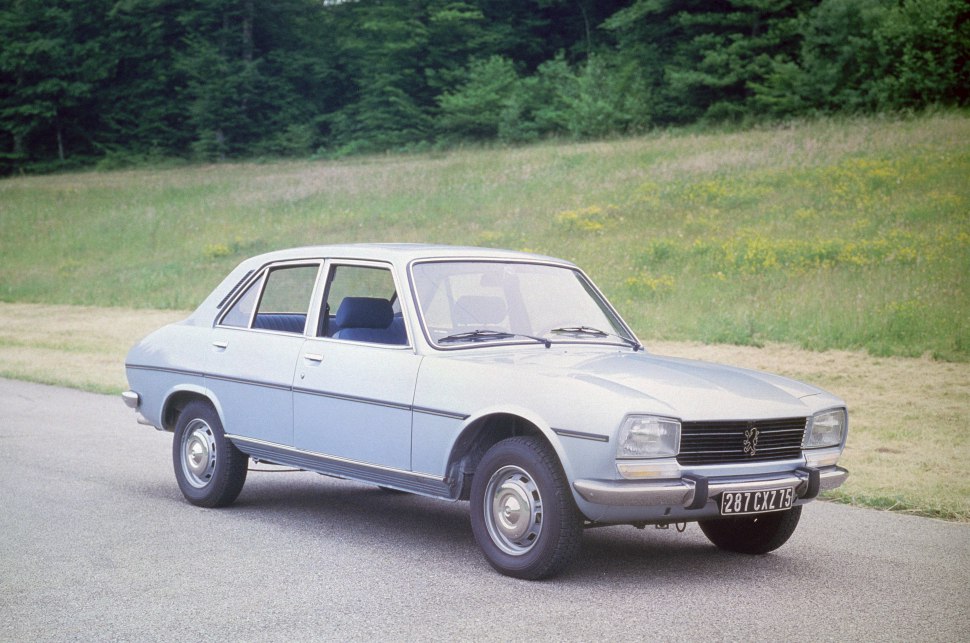
The Peugeot 504, specifically the 2.0-liter variant (designated A1, A13, MY1, MY3), represents a pivotal moment in the French automaker’s history and a significant contribution to automotive design in the 1970s and 80s. Introduced in 1968 as a replacement for the Peugeot 404, the 504 was initially intended as a modern, spacious, and reliable family car. While never officially sold in the United States due to import regulations and Peugeot’s limited presence in the North American market at the time, the 504 achieved considerable success in Europe, Africa, and South America, becoming renowned for its durability and adaptability. The 2.0-liter engine, introduced in later iterations, provided a substantial performance upgrade, solidifying the 504’s reputation as a capable and comfortable grand tourer. This article details the technical aspects and historical significance of the Peugeot 504 2.0.
Peugeot 504 2.0: A Legacy of Engineering
The Peugeot 504 was more than just a replacement for the 404; it was a complete re-think of the family saloon. Pininfarina, the renowned Italian design house, was commissioned to style the 504, resulting in a sleek, elegant design that was considered groundbreaking for its time. The car’s long hood, spacious cabin, and clean lines set it apart from its contemporaries. The 504 was available in various body styles, including a four-door sedan, a coupe, a convertible (produced by Pininfarina), an estate (wagon), and a pickup truck, catering to a wide range of customer needs. The 2.0-liter engine version, produced from 1971 through 1986, became the most popular choice for those seeking a balance of performance and fuel efficiency.
Engine & Performance
The heart of the Peugeot 504 2.0 is the 106 XN1 engine, a 1,995 cc (2.0 liters) naturally aspirated inline-four cylinder petrol (gasoline) engine. This engine produced 97 horsepower, a significant increase over the earlier, smaller displacement engines offered in the 504 range. The engine featured a single overhead camshaft (SOHC) design and a two-barrel Solex carburetor. While not a high-revving powerplant, the 2.0-liter engine delivered strong low-end torque, making it well-suited for both city driving and long-distance cruising.
Power was delivered to the rear wheels via a four-speed manual transmission or, optionally, a three-speed automatic transmission. The rear-wheel-drive layout contributed to the 504’s balanced handling characteristics. The suspension system consisted of independent front suspension with double wishbones and coil springs, and a live axle with trailing arms and coil springs at the rear. This setup provided a comfortable ride while maintaining good road holding. The 504 2.0 was capable of achieving a top speed of approximately 105 mph (169 km/h) and accelerating from 0 to 60 mph (0 to 97 km/h) in around 11 seconds – respectable figures for a car of its era and class. Fuel economy, while not exceptional by modern standards, was reasonable for the time, averaging around 25-30 mpg (miles per gallon).
Design & Features
The Peugeot 504 2.0 was primarily offered as a four-door sedan, although other body styles existed. The sedan’s design emphasized practicality and comfort. The interior was spacious and well-appointed, featuring comfortable seating and a functional dashboard layout. Early models featured a relatively minimalist interior, but later versions incorporated more features, such as upgraded upholstery, power windows, and air conditioning. Safety features, while limited by the standards of the 1970s, included seat belts and a robust chassis structure.
The 504’s enduring appeal stemmed from its combination of style, comfort, and reliability. Its robust construction and relatively simple mechanical design made it easy to maintain and repair, even in challenging conditions. This contributed to its popularity in developing countries, where it was often used as a taxi or a workhorse vehicle. The car’s elegant styling also ensured its continued desirability among enthusiasts and collectors. The 504’s design influenced subsequent Peugeot models and remains a benchmark for automotive aesthetics.
Technical Specifications
| Brand | Peugeot |
| Model | 504 |
| Generation | 504 |
| Type (Engine) | 2.0 (A1, A13, MY1, MY3) (97 Hp) |
| Start of production | 1971 |
| End of production | 1986 |
| Powertrain Architecture | Internal Combustion engine |
| Body type | Sedan |
| Fuel Type | Petrol (Gasoline) |
| Power | 97 Hp |
| Engine Model/Code | 106 XN1 |
| Engine aspiration | Naturally aspirated engine |
| Engine Displacement | 1,995 cc (2.0 Liters) |
| Transmission | 4-speed Manual or 3-speed Automatic |
| Drivetrain | Rear-Wheel Drive |
| Front Suspension | Independent, Double Wishbones, Coil Springs |
| Rear Suspension | Live Axle, Trailing Arms, Coil Springs |
| Top Speed (approx.) | 105 mph (169 km/h) |
| 0-60 mph (approx.) | 11 seconds |
The Peugeot 504 2.0, despite never being officially marketed in the United States, remains a significant vehicle in automotive history. Its blend of Italian styling, French engineering, and robust construction created a car that was both elegant and practical. Its longevity and adaptability cemented its place as a beloved classic, particularly in regions where its durability and reliability were highly valued. The 504 2.0 stands as a testament to Peugeot’s commitment to quality and innovation during a pivotal era in automotive design.