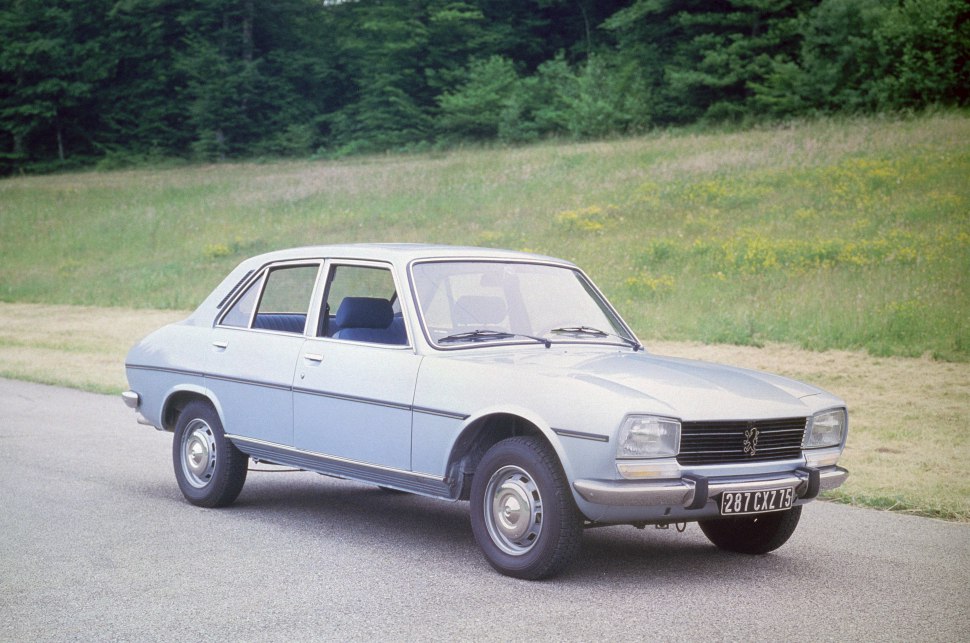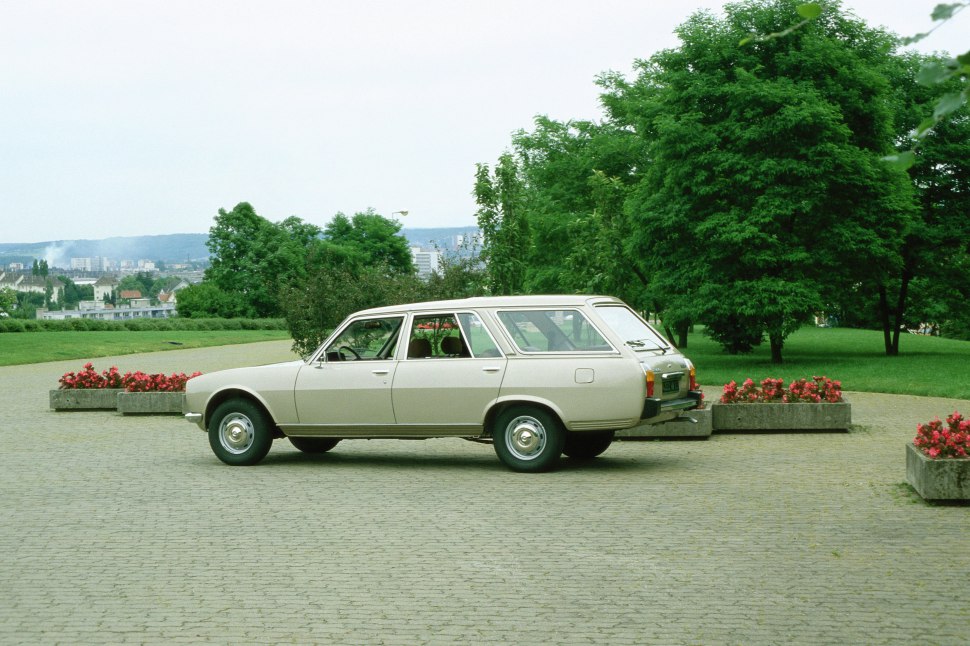
The Peugeot 504 Break, produced from 1971 to 1986, represents a significant chapter in Peugeot’s history and the broader European automotive landscape. As the station wagon (estate) variant of the 504 saloon, it offered a practical and stylish alternative for families and those requiring increased cargo capacity. While never officially sold in the United States, the 504, in all its forms, gained a reputation for robustness, reliability, and sophisticated engineering, particularly in European, African, and South American markets. The Break, specifically, became a workhorse for many, appreciated for its durability and spacious interior. This article details the 2.0-liter (92 horsepower) version, focusing on its technical specifications, design, and place within the automotive world.
Peugeot 504 Break: A Legacy of Engineering
The 504 was Peugeot’s response to the growing demand for larger, more comfortable, and technologically advanced vehicles in the late 1960s. Launched in 1968 as a replacement for the 404, the 504 quickly established itself as a benchmark in its class. The Break variant, introduced shortly after the saloon, extended the 504’s appeal by providing a versatile body style. It wasn’t simply an afterthought; the Break’s design was carefully considered to maintain the 504’s elegant proportions while maximizing cargo space. The 504 Break, particularly the 2.0-liter model, became a popular choice for those needing a dependable vehicle capable of handling both daily commutes and longer journeys with ample luggage or equipment.
Engine & Performance
The 2.0-liter XN1 engine powering the 504 Break is a naturally aspirated, inline-four cylinder petrol (gasoline) engine. Producing 92 horsepower, it wasn’t designed for outright speed, but rather for smooth, reliable power delivery and fuel efficiency – characteristics highly valued in its target markets. The engine features a single overhead camshaft (SOHC) and a two-barrel Solex carburetor. This configuration, while relatively simple by modern standards, proved remarkably durable and easy to maintain.
Power is delivered to the rear wheels via a four-speed manual transmission, or optionally a three-speed automatic transmission. The manual gearbox offered a more engaging driving experience, while the automatic provided added convenience. The 504 Break’s suspension system, a fully independent setup with coil springs and anti-roll bars on both the front and rear axles, contributed to a comfortable ride and predictable handling. Disc brakes were fitted to all four wheels, a relatively advanced feature for the time, providing effective stopping power. While performance figures aren’t particularly impressive by today’s standards, the 504 Break 2.0 offered a respectable top speed of around 95-100 mph and a 0-60 mph time of approximately 12-14 seconds. The focus was less on acceleration and more on providing a refined and dependable driving experience.
Design & Features
The Peugeot 504 Break’s design is a masterclass in understated elegance. Pininfarina, the renowned Italian design house, was responsible for the 504’s styling, and their influence is clearly visible in the car’s flowing lines and balanced proportions. The Break’s extended roofline and large rear window seamlessly integrate with the rest of the body, creating a visually appealing and practical station wagon. The interior of the 504 Break was designed with practicality in mind. The rear seats could be folded down to create a large, flat cargo area, and the tailgate provided easy access to the spacious interior.
Features considered luxurious for the era included comfortable seating, a well-appointed dashboard, and available options such as air conditioning and a sunroof. Safety features, while limited by the standards of the 1970s and 80s, included seat belts and a robust chassis designed to protect occupants in the event of a collision. The 504 Break’s build quality was also noteworthy, with a reputation for resisting corrosion and withstanding the rigors of daily use. The car’s simple, yet effective design, combined with its durable construction, contributed to its longevity and enduring popularity. The 504 Break wasn’t about flashy features; it was about providing a reliable, comfortable, and practical vehicle that could handle whatever life threw at it.
Technical Specifications
| Brand | Peugeot |
| Model | 504 |
| Generation | 504 Break |
| Type (Engine) | 2.0 (D11,F11) (92 Hp) |
| Start of production | 1971 |
| End of production | 1986 |
| Powertrain Architecture | Internal Combustion engine |
| Body type | Station wagon (estate) |
| Fuel Type | Petrol (Gasoline) |
| Power | 92 Hp |
| Engine Model/Code | XN1 |
| Engine aspiration | Naturally aspirated engine |
The Peugeot 504 Break, particularly the 2.0-liter variant, remains a beloved classic among automotive enthusiasts. Its combination of elegant design, robust engineering, and practical versatility ensured its success in a variety of markets. While it never officially reached American shores, its influence can be seen in the development of other station wagons and family vehicles. The 504 Break stands as a testament to Peugeot’s commitment to building durable, reliable, and stylish automobiles, and its legacy continues to endure today. Its enduring appeal lies in its simplicity, its practicality, and its timeless design – qualities that continue to resonate with car enthusiasts around the world.