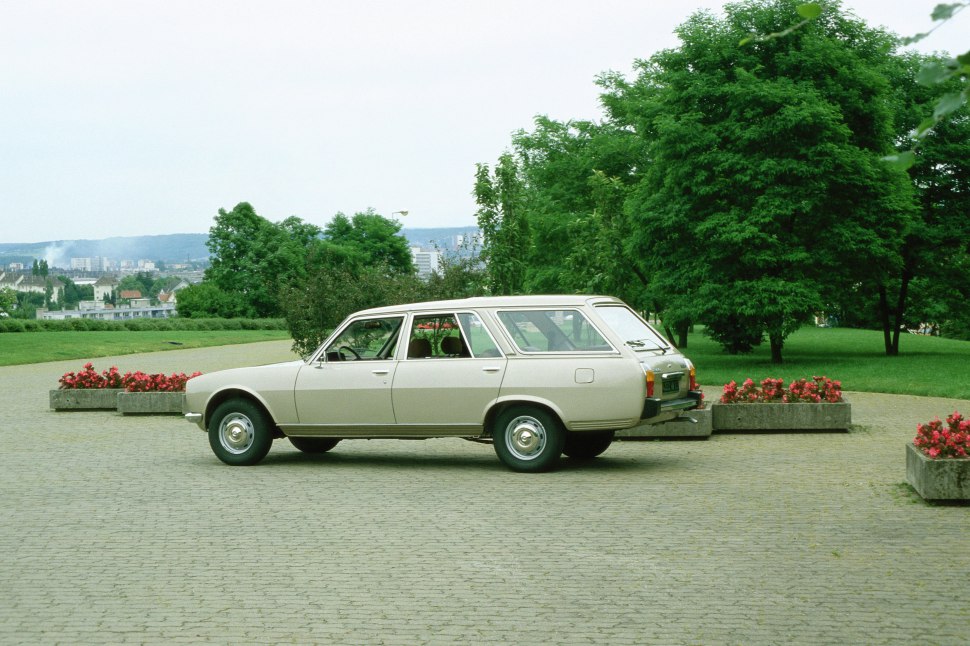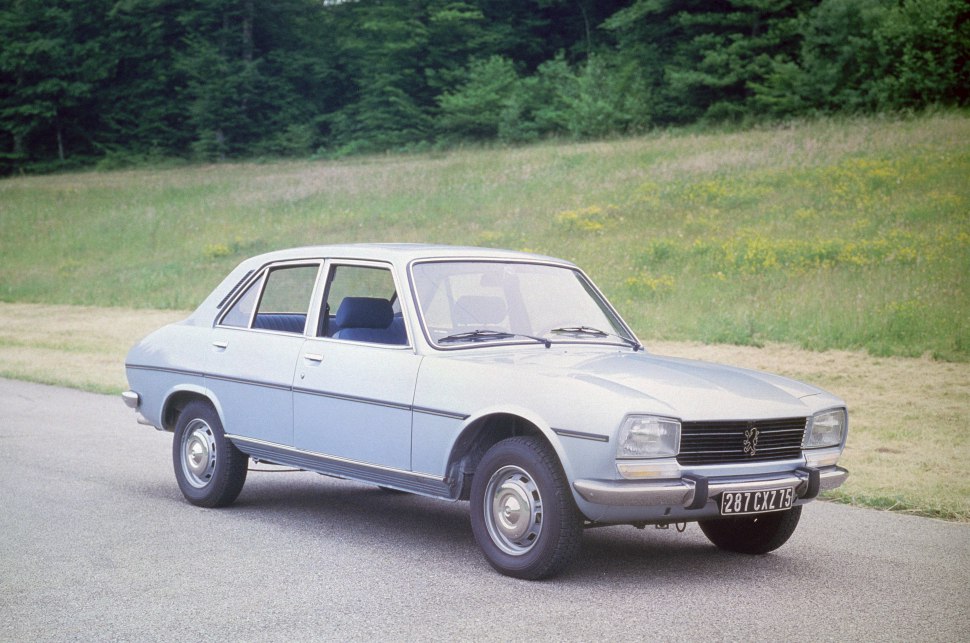
The Peugeot 504, specifically the D (A40, A45) variant producing 69 horsepower, represents a significant chapter in the history of French automotive engineering. Produced from 1975 to 1983, this model was a mainstay of Peugeot’s lineup and a popular choice in both European and developing markets. While not officially sold in the United States, the 504 gained a reputation for its robust construction, independent suspension, and overall reliability, making it a favored vehicle in regions where durability was paramount. The 504 was more than just a car; it was a symbol of modern French design and engineering prowess, competing with vehicles like the Ford Taunus and Opel Rekord in the mid-size segment.
Peugeot 504 D (A40, A45): A Detailed Overview
The 504 was Peugeot’s answer to the growing demand for comfortable, reliable, and stylish mid-size sedans in the late 1960s and 1970s. Introduced in 1968, it replaced the aging Peugeot 404 and quickly became a sales success. The “D” designation refers to a specific engine variant, in this case, the 134 XD2, a petrol (gasoline) engine producing 69 horsepower. The A40 and A45 designations denote minor updates and revisions implemented during the production run. The 504 was notable for being one of the first cars to feature an independent suspension on all four wheels, a feature typically reserved for more expensive vehicles at the time. This contributed significantly to its comfortable ride and handling characteristics.
Origins and Market Position
The Peugeot 504 was primarily designed for the European market, where it competed directly with other mid-size sedans from German, British, and Italian manufacturers. However, its robust construction and relatively simple mechanical design made it particularly well-suited for use in developing countries, such as Argentina, Nigeria, and Kenya. Local assembly plants were established in several of these countries, extending the 504’s production life well beyond its official end in Europe. In these markets, the 504 became a symbol of status and reliability, often serving as a taxi or government vehicle. The car’s longevity in these regions is a testament to its inherent durability and ease of maintenance.
Engine & Performance
The heart of the Peugeot 504 D (A40, A45) is the 134 XD2 engine, a 1.7-liter naturally aspirated petrol engine. Producing 69 horsepower, this engine wasn’t designed for blistering acceleration but rather for reliable and efficient operation. The engine features a simple overhead valve (OHV) configuration and a single carburetor. While modest by modern standards, the 69 horsepower output was adequate for the 504’s weight and intended purpose. The engine’s torque characteristics were geared towards providing sufficient pulling power for everyday driving conditions. The 504’s drivetrain is a rear-wheel drive configuration, which was common for European sedans of this era. This layout contributed to the car’s balanced handling and predictable road manners. The transmission options typically included a four-speed manual gearbox or a three-speed automatic transmission, depending on the market and year of production.
Mechanical Characteristics
The 134 XD2 engine is known for its robustness and relatively simple maintenance requirements. Its design prioritized durability over outright performance, making it a reliable powerplant for extended periods. The engine’s cooling system utilizes a traditional water-cooled setup with a radiator and water pump. The lubrication system is also conventional, employing an oil pump and oil filter to ensure adequate lubrication of the engine’s internal components. The engine’s fuel system consists of a single carburetor, which regulates the air-fuel mixture entering the combustion chambers. While not as sophisticated as modern fuel injection systems, the carburetor proved to be reliable and relatively easy to maintain.
Design & Features
The Peugeot 504 boasts a classic sedan body style, characterized by its elegant lines and relatively compact dimensions. The car’s design, penned by Pininfarina, was considered quite modern for its time, featuring a low-slung profile and a spacious interior. The 504’s interior was designed with comfort and practicality in mind. The seats were typically upholstered in cloth or vinyl, and the dashboard featured a straightforward layout with clearly labeled gauges and controls. Safety features, while limited by the standards of the 1970s, included seat belts and a collapsible steering column. The 504’s independent suspension on all four wheels was a key selling point, providing a comfortable ride and improved handling compared to cars with traditional solid axles. The car’s braking system consisted of disc brakes on the front wheels and drum brakes on the rear wheels. The 504’s exterior styling was characterized by its clean lines, chrome accents, and relatively large windows. The car’s headlights were integrated into the front grille, giving it a distinctive appearance.
Aesthetic and Practical Considerations
The Peugeot 504’s design was a departure from the more boxy and utilitarian designs of some of its competitors. Pininfarina’s influence is evident in the car’s flowing lines and elegant proportions. The 504’s interior was designed to be both comfortable and functional, with ample space for passengers and luggage. The car’s build quality was generally considered to be good, with attention paid to detail and durability. The 504’s relatively simple mechanical design made it easy to maintain and repair, even in regions with limited access to specialized tools and expertise.
Technical Specifications
| Brand | Peugeot |
| Model | 504 |
| Generation | 504 |
| Type (Engine) | D (A40, A45) (69 Hp) |
| Start of production | 1975 |
| End of production | 1983 |
| Powertrain Architecture | Internal Combustion engine |
| Body type | Sedan |
| Fuel Type | Petrol (Gasoline) |
| Power | 69 Hp |
| Engine Model/Code | 134 XD2 |
| Engine aspiration | Naturally aspirated engine |
| Engine oil capacity | 5 l (5.28 US qt | 4.4 UK qt) |
| Coolant capacity | 10 l (10.57 US qt | 8.8 UK qt) |