
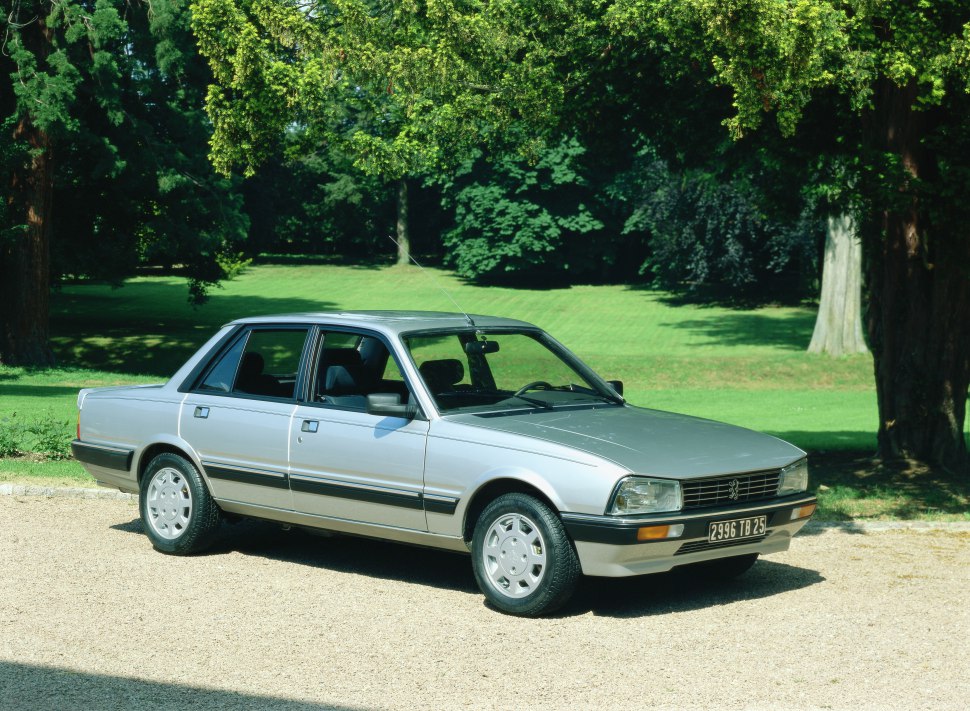
The Peugeot 505, specifically the 551A variant produced between 1979 and 1986, represents a significant evolution in Peugeot’s large family car lineage. Replacing the 504, the 505 aimed to blend comfort, performance, and modern styling. While not officially sold in the United States, the 505 enjoyed considerable success in Europe, South America, and parts of Asia, becoming known for its robust build quality and sophisticated engineering for its time. The 2.0 TI and STI models, producing 110 horsepower, were positioned as the performance-oriented trims within the 505 range, offering a balance between fuel economy and spirited driving.
Peugeot 505 (551A): A Detailed Overview
The 505 was Peugeot’s flagship sedan during a period of significant change in the automotive industry. The late 1970s and early 1980s saw increasing demands for fuel efficiency and safety, alongside a desire for more refined and comfortable vehicles. The 505 was designed to meet these demands, offering a more modern alternative to its predecessor. The 551A designation refers to the initial series of the 505, characterized by specific styling cues and mechanical components. The TI and STI trims represented the higher-specification versions, featuring upgraded interiors and, in the case of the STI, a slightly more sporting setup.
Engine & Performance
The heart of the Peugeot 505 2.0 TI and STI is the 829 ZEJ 2.0-liter, naturally aspirated inline-four cylinder gasoline engine. This engine produced 110 horsepower, a respectable figure for the era and vehicle class. The engine featured a single overhead camshaft (SOHC) design and utilized a carburetor for fuel delivery. While not a high-revving powerplant, the 2.0-liter engine delivered a broad torque curve, making it suitable for both city driving and long-distance cruising. The engine’s durability was a key selling point, and many examples remain on the road today, testament to its robust construction.
Power was delivered to the rear wheels via either a four-speed manual or a three-speed automatic transmission. The manual transmission offered a more engaging driving experience, while the automatic provided added convenience. The STI variant often featured a slightly closer-ratio gearbox compared to the TI, enhancing its performance capabilities. The 505’s suspension system, comprised of independent front suspension with MacPherson struts and a rigid axle with trailing arms at the rear, provided a comfortable ride while maintaining reasonable handling characteristics. Performance figures for the 2.0 TI/STI were modest by modern standards, with a 0-60 mph time estimated around 11-12 seconds and a top speed of approximately 105 mph. However, the focus was less on outright speed and more on providing a refined and capable grand touring experience.
Design & Features
The Peugeot 505 boasted a sleek and elegant design, penned by the renowned Italian styling house Pininfarina. The sedan’s silhouette was characterized by clean lines, a long hood, and a relatively spacious cabin. The 505 represented a departure from the more angular designs of the 1970s, embracing a more aerodynamic and contemporary aesthetic. The interior was well-appointed for its time, featuring comfortable seating, a wood-trimmed dashboard, and a comprehensive array of gauges. The TI and STI models received upgraded interior trim, including higher-quality upholstery and additional features such as power windows and central locking.
Safety features, while not as advanced as those found in modern vehicles, were relatively comprehensive for the late 1970s and early 1980s. The 505 incorporated a reinforced passenger compartment, crumple zones in the front and rear, and a steering column designed to collapse in the event of a collision. Disc brakes were fitted to the front wheels, providing improved stopping power compared to drum brakes. The 505’s spacious trunk offered ample luggage capacity, making it a practical choice for families and long-distance travelers. The car’s overall build quality was highly regarded, contributing to its longevity and enduring appeal.
Technical Specifications
| Brand | Peugeot |
| Model | 505 |
| Generation | 505 (551A) |
| Type (Engine) | 2.0 TI, STI (110 Hp) |
| Start of production | 1979 |
| End of production | 1986 |
| Powertrain Architecture | Internal Combustion engine |
| Body type | Sedan |
| Fuel Type | Petrol (Gasoline) |
| Power | 110 Hp |
| Engine Model/Code | 829 ZEJ |
| Engine aspiration | Naturally aspirated engine |
| Engine oil capacity | 4.5 l / 4.76 US qt / 3.96 UK qt |
| Coolant capacity | 8.5 l / 8.98 US qt / 7.48 UK qt |
The Peugeot 505, particularly the 2.0 TI and STI variants, represents a high point in Peugeot’s engineering and design capabilities. While never officially available in the US market, it carved out a significant niche for itself in other parts of the world, offering a compelling combination of style, comfort, and reliability. Its robust construction and relatively simple mechanical design have ensured that many examples continue to provide enjoyable motoring experiences for enthusiasts today. The 505 stands as a testament to a bygone era of automotive engineering, where durability and refinement were prioritized alongside performance.
