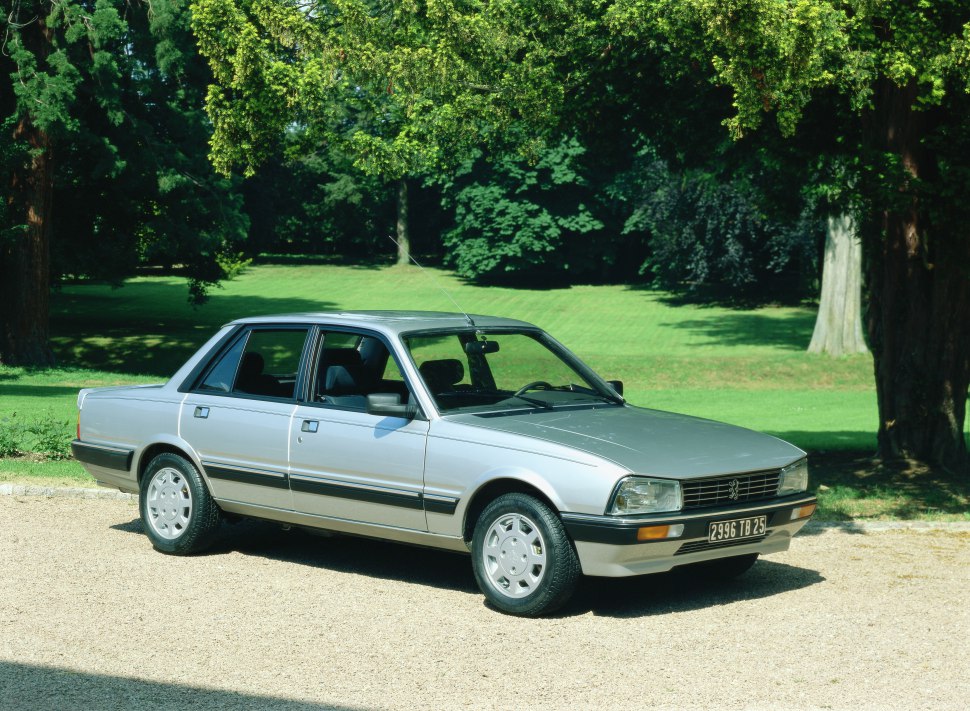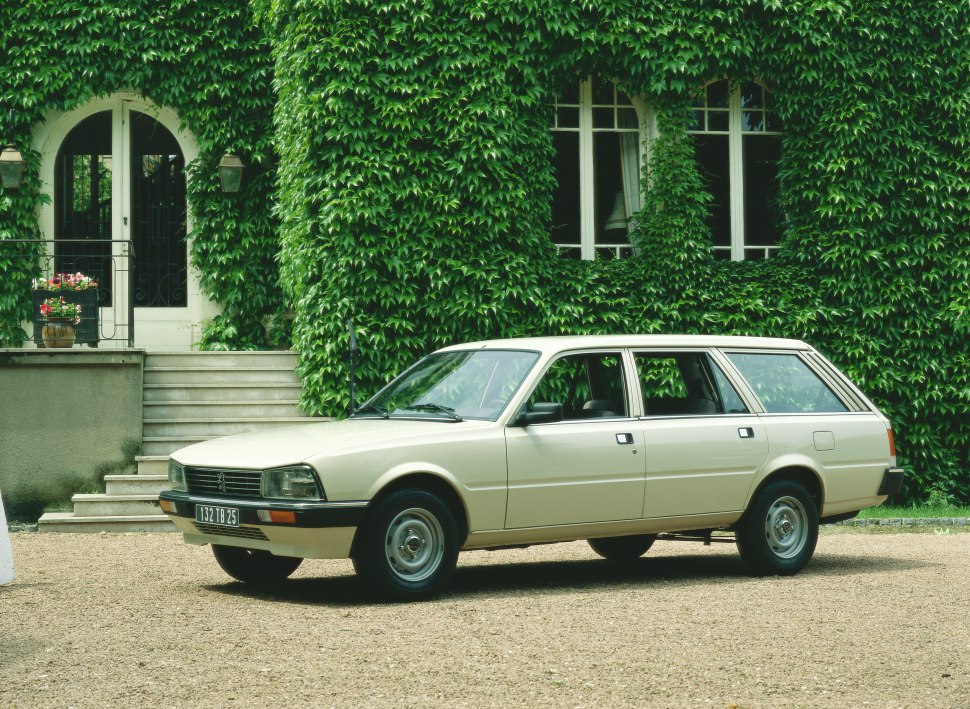
The Peugeot 505 Break (551D) 2.0, produced from 1983 to 1985, represents a significant offering from the French automaker in the mid-size executive car segment. As a station wagon (estate) variant of the 505, it catered to buyers seeking a blend of practicality, comfort, and European styling. While the 505 itself wasn’t officially sold in the United States, it enjoyed considerable success in Europe, and particularly in France, as a sophisticated and reliable family vehicle. The Break, or estate, body style further enhanced its appeal to those needing increased cargo capacity. This model, equipped with the 2.0-liter engine producing 94 horsepower, positioned itself as a sensible and economical choice within the 505 range.
Peugeot 505 Break: A European Family Hauler
The Peugeot 505 was designed as a successor to the popular Peugeot 504, aiming to provide a more modern and refined driving experience. The Break version, distinguished by its extended roofline and larger rear opening, directly addressed the growing demand for versatile vehicles capable of handling both passenger and cargo needs. The 505, in general, was known for its robust construction, comfortable ride, and relatively advanced features for its time. The 551D designation specifically identifies the Break model with the 2.0-liter engine, a configuration popular for its balance of performance and fuel efficiency.
Engine & Performance
The heart of the Peugeot 505 Break (551D) 2.0 is the 106 XN1 engine, a naturally aspirated 2.0-liter inline-four cylinder gasoline engine. This engine delivers 94 horsepower, providing adequate, though not particularly sporty, performance for the vehicle’s weight and size. The engine’s design prioritized reliability and fuel economy over outright power. It featured a single overhead camshaft (SOHC) configuration and a two-barrel carburetor, typical for European engines of the early 1980s. The powertrain was generally paired with a four-speed manual transmission, although an optional three-speed automatic transmission was also available. Acceleration was modest, with a 0-60 mph time estimated to be around 12-13 seconds, but the engine offered sufficient torque for comfortable cruising and everyday driving. The engine’s responsiveness was adequate for typical road conditions, and its relatively simple design contributed to its longevity and ease of maintenance. The 505 Break wasn’t designed for racing; it was engineered for comfortable, reliable transportation.
Design & Features
The Peugeot 505 Break’s design was a product of its time, reflecting the prevailing European aesthetic of clean lines and understated elegance. The station wagon body style extended the roofline to the rear of the vehicle, creating a spacious cargo area. The rear suspension was independent, a feature that contributed to a comfortable ride and improved handling compared to vehicles with solid rear axles. Inside, the 505 Break offered a comfortable and well-appointed cabin, with seating for five passengers. The interior materials were generally of good quality for the price point, and the dashboard layout was functional and easy to use. Features included power-assisted steering, disc brakes on all four wheels, and a relatively spacious interior. Safety features, while not as comprehensive as those found in modern vehicles, included seatbelts and a robust body structure designed to absorb impact energy. The Break’s large rear hatch and folding rear seats provided exceptional versatility for carrying luggage, groceries, or other bulky items. The overall design emphasized practicality and comfort, making it a popular choice for families and individuals who needed a versatile vehicle.
The 505 Break’s styling was characterized by its sharp angles and relatively boxy shape, a common design trend in the early 1980s. The front end featured a distinctive grille and rectangular headlights, while the rear end was defined by its large tailgate and taillights. The vehicle’s overall appearance was sophisticated and understated, reflecting Peugeot’s reputation for producing stylish and well-engineered cars. The Break’s extended roofline and larger rear window gave it a more practical and spacious appearance compared to the sedan version.
Technical Specifications
| Brand | Peugeot |
| Model | 505 |
| Generation | 505 Break (551D) |
| Type (Engine) | 2.0 (94 Hp) |
| Start of production | 1983 |
| End of production | 1985 |
| Powertrain Architecture | Internal Combustion engine |
| Body type | Station wagon (estate) |
| Fuel Type | Petrol (Gasoline) |
| Power | 94 Hp |
| Engine Model/Code | 106 XN1 |
| Engine aspiration | Naturally aspirated engine |
| Engine oil capacity | 4.5 l |
| Engine oil capacity (US qt) | 4.76 US qt |
| Engine oil capacity (UK qt) | 3.96 UK qt |
The Peugeot 505 Break (551D) 2.0, while not a performance car, offered a compelling package of practicality, comfort, and European style. Its robust construction, reliable engine, and spacious interior made it a popular choice for families and individuals seeking a versatile vehicle. Although it wasn’t sold in the US market, the 505 Break remains a respected and admired vehicle among enthusiasts of classic European cars, representing a high point in Peugeot’s engineering and design capabilities during the 1980s. Its legacy continues as a testament to the enduring appeal of well-built, practical, and stylish station wagons.