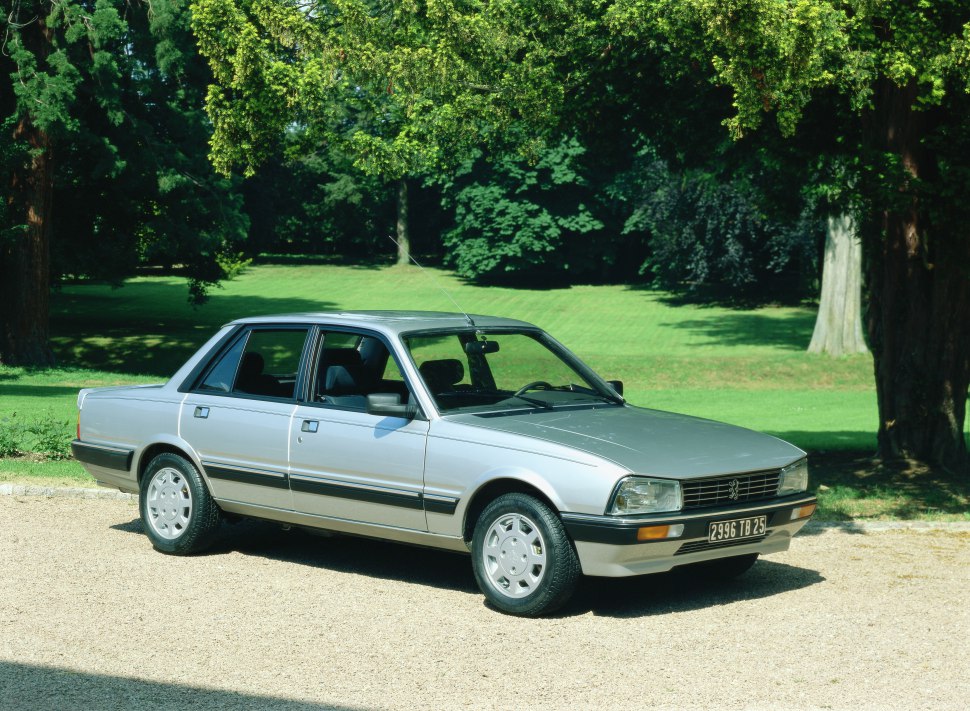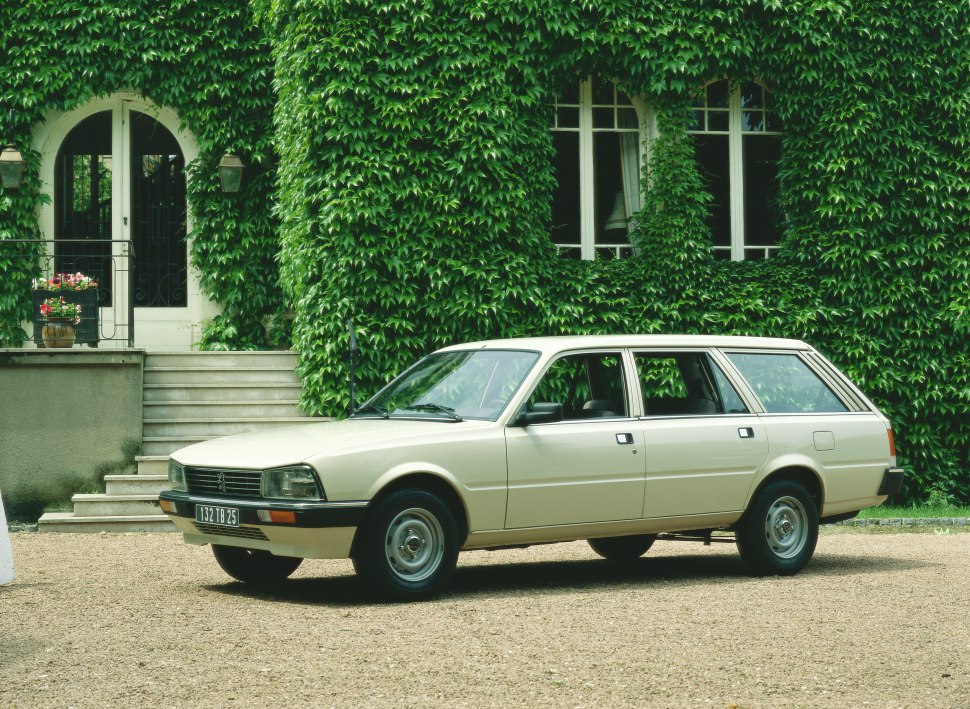
The Peugeot 505 Break (551D) 2.5 Turbo Diesel, produced from 1986 to 1993, represents a refined and practical offering from the French automaker. As a station wagon (estate) variant of the 505, it catered to buyers seeking a blend of comfort, durability, and cargo capacity. While the 505 itself was never a major seller in the United States, it enjoyed considerable popularity in Europe, particularly among those needing a robust and spacious vehicle for family or professional use. The 505, and specifically the Break variant, distinguished itself with its independent suspension, relatively modern styling for its time, and a reputation for mechanical reliability. The 2.5-liter turbocharged diesel engine offered a compelling combination of fuel efficiency and usable power, making it a popular choice for long-distance travel.
Peugeot 505 Break: A European Touring Staple
The Peugeot 505 was designed as a successor to the Peugeot 504, a car that had achieved iconic status for its ruggedness and adaptability. Launched in 1978, the 505 aimed to modernize the Peugeot lineup while retaining the core values of practicality and dependability. The Break (estate) version, introduced shortly after the sedan, expanded the 505’s appeal to families and those requiring significant cargo space. The 505 Break was positioned as a competitor to other European station wagons like the Volvo 240, Audi 80 Avant, and Ford Sierra Estate. It was known for its comfortable ride, spacious interior, and well-engineered diesel engines, which were particularly valued in European markets where fuel costs were high.
Engine & Performance
The heart of the 505 Break 2.5 Turbo Diesel is the 152B XD3TE engine, a 2.5-liter inline-five cylinder diesel powerplant. This engine produced 105 horsepower, a respectable figure for a diesel engine of that era. The key to its performance was the addition of a turbocharger, which significantly increased power output and torque compared to naturally aspirated diesel versions. While not a sports car by any means, the turbocharged diesel provided sufficient power for comfortable cruising on highways and effortless overtaking. The engine’s torque characteristics were particularly well-suited to hauling loads, making the 505 Break a practical choice for those needing to transport goods or equipment.
The engine was typically paired with a five-speed manual transmission, although an automatic transmission was also available as an option. The drivetrain was rear-wheel drive, a configuration that contributed to the car’s balanced handling and relatively sporty feel. The suspension system, featuring independent front and rear suspension, further enhanced the driving experience, providing a comfortable ride and good road holding. Fuel economy was a major selling point of the 2.5 Turbo Diesel, offering a significant advantage over gasoline-powered alternatives. The engine was known for its durability and longevity, capable of covering high mileages with proper maintenance.
Design & Features
The Peugeot 505 Break’s design was characterized by clean lines and a relatively understated aesthetic. The station wagon body style offered a generous cargo area, accessible through a large rear tailgate. The interior was designed with practicality in mind, featuring comfortable seating and a functional dashboard layout. While not lavishly equipped by modern standards, the 505 Break offered a range of features that were considered desirable for its time. These included power steering, central locking, and electric windows on higher trim levels.
Safety features were relatively basic compared to contemporary vehicles, but the 505 Break did incorporate features such as seatbelts and a robust body structure. The car’s build quality was generally considered to be good, contributing to its reputation for reliability. The interior materials were durable and designed to withstand the rigors of daily use. The 505 Break’s spacious interior and comfortable ride made it a popular choice for long-distance family travel. The rear suspension was particularly noteworthy for its ability to maintain a level ride even when the vehicle was fully loaded. The overall design of the 505 Break reflected Peugeot’s commitment to producing practical, well-engineered vehicles that offered a blend of comfort, durability, and style.
Technical Specifications
| Brand | Peugeot |
| Model | 505 |
| Generation | 505 Break (551D) |
| Type (Engine) | 2.5 Turbo Diesel (105 Hp) |
| Start of production | 1986 |
| End of production | 1993 |
| Powertrain Architecture | Internal Combustion engine |
| Body type | Station wagon (estate) |
| Fuel Type | Diesel |
| Power | 105 Hp |
| Engine Model/Code | 152B XD3TE |
| Engine aspiration | Turbocharger |
| Engine oil capacity | 5 l (5.28 US qt | 4.4 UK qt) |
| Coolant capacity | 10 l (10.57 US qt | 8.8 UK qt) |
The Peugeot 505 Break 2.5 Turbo Diesel remains a fondly remembered vehicle for those who experienced its blend of practicality, comfort, and durability. While it never achieved widespread popularity in the United States, it established itself as a reliable and capable touring car in Europe, offering a compelling alternative to other station wagons of its era. Its robust diesel engine, spacious interior, and comfortable ride continue to appeal to enthusiasts and collectors today, ensuring its place in automotive history as a well-engineered and thoughtfully designed vehicle.