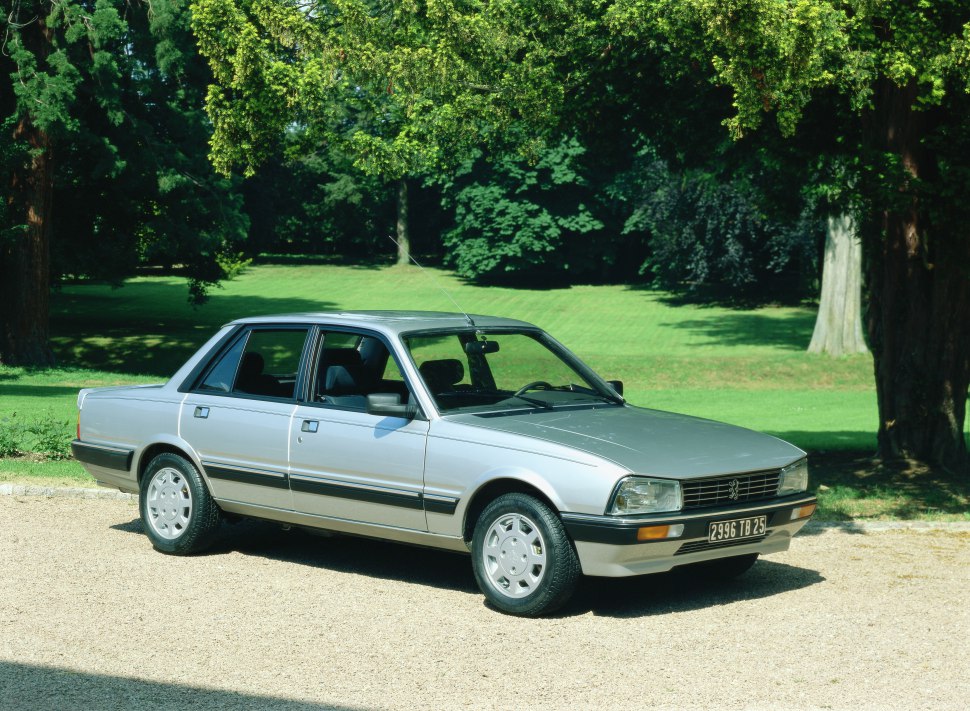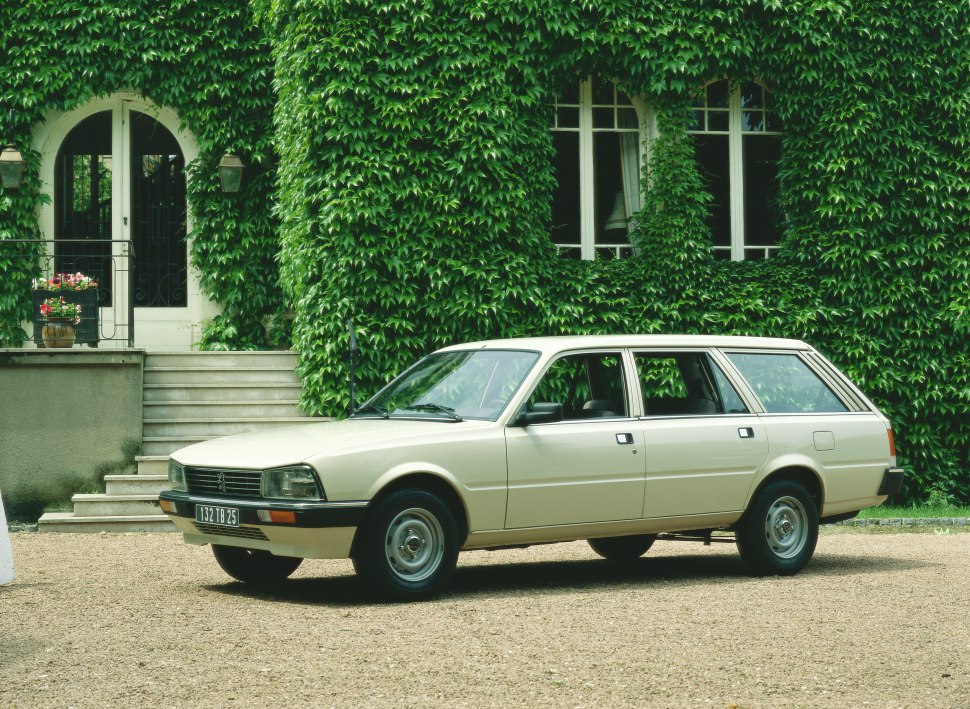
The Peugeot 505 Break (551D) 2.5 Turbo Diesel, produced from 1985 to 1987, represents a refined and practical offering from the French automaker during a period of significant automotive evolution. As a station wagon (estate) variant of the 505, it catered to buyers seeking a blend of comfort, durability, and cargo capacity. While the 505 itself was never a major sales success in the United States, it achieved considerable popularity in Europe, particularly among those valuing a sophisticated and robust vehicle. The Break, or estate, body style further enhanced its appeal to families and individuals requiring ample space for luggage, equipment, or work-related materials. This model, equipped with a 2.5-liter turbocharged diesel engine producing 90 horsepower, was designed for long-distance travel and offered a compelling alternative to gasoline-powered vehicles, especially in countries with higher fuel costs.
Peugeot 505 Break: A European Touring Car
The Peugeot 505, launched in 1978, was intended as a successor to the popular Peugeot 504. It represented a significant step forward in terms of design, technology, and refinement. The Break variant, introduced shortly after the sedan, expanded the 505’s market reach by providing a more versatile body style. In Europe, the station wagon segment was, and remains, a substantial portion of the market, and the 505 Break competed directly with offerings from manufacturers like Volvo, Audi, and Mercedes-Benz. The 505 was known for its comfortable ride, precise steering, and robust construction. The 2.5-liter turbocharged diesel engine, while not exceptionally powerful by modern standards, provided ample torque for effortless cruising and hauling, coupled with impressive fuel economy. The Break’s spacious interior and large cargo area made it a practical choice for families and businesses alike.
Engine & Performance
The heart of the 505 Break 2.5 Turbo Diesel is the 152A XD3T engine, a 2.5-liter inline-four cylinder diesel powerplant. This engine utilizes a turbocharger to increase power output, achieving 90 horsepower. While this figure may seem modest today, it was a respectable amount for a diesel engine of that era, and the turbocharger significantly improved responsiveness compared to naturally aspirated diesel engines. The engine’s key strength lies in its torque delivery, providing strong pulling power at low and mid-range engine speeds. This made the 505 Break particularly well-suited for towing and navigating hilly terrain. The engine is an indirect injection diesel, a common technology at the time, known for its relative simplicity and durability. The drivetrain is a rear-wheel drive configuration, a characteristic of many European cars of the period, contributing to balanced handling and a comfortable ride. The transmission options typically included a five-speed manual gearbox, offering precise control, and a three-speed automatic transmission for those prioritizing convenience. Performance figures, while not focused on outright speed, were adequate for comfortable highway cruising and everyday driving. The turbocharger helped to mitigate the inherent lag associated with diesel engines, providing a more linear power delivery.
Design & Features
The Peugeot 505 Break’s design is characterized by clean lines and a functional aesthetic. The station wagon body style extends the roofline to the rear of the vehicle, maximizing cargo space. The rear tailgate provides easy access to the spacious cargo area, which could be further expanded by folding down the rear seats. The exterior styling features a relatively upright grille, rectangular headlights, and a generally understated appearance, typical of European designs of the late 1970s and early 1980s. Inside, the 505 Break offered a comfortable and well-appointed cabin. The seats were typically upholstered in durable cloth or vinyl, and the dashboard featured a straightforward layout with clearly marked gauges. Features such as power steering, central locking, and electric windows were often included, depending on the trim level. Safety features, while limited by the standards of today, included seat belts and a robust body structure. The 505 Break was designed with practicality in mind, offering a comfortable and functional environment for both driver and passengers. The emphasis was on providing a reliable and durable vehicle capable of handling the demands of everyday life and long-distance travel. The Break’s design prioritized functionality over flashy aesthetics, appealing to buyers who valued practicality and understated elegance.
Technical Specifications
| Brand | Peugeot |
| Model | 505 |
| Generation | 505 Break (551D) |
| Type (Engine) | 2.5 Turbo Diesel (90 Hp) |
| Start of production | 1985 |
| End of production | 1987 |
| Powertrain Architecture | Internal Combustion engine |
| Body type | Station wagon (estate) |
| Fuel Type | Diesel |
| Power | 90 Hp |
| Engine Model/Code | 152A XD3T |
| Engine aspiration | Turbocharger |
| Engine oil capacity | 5 l (5.28 US qt | 4.4 UK qt) |
| Coolant capacity | 10 l (10.57 US qt | 8.8 UK qt) |
The Peugeot 505 Break 2.5 Turbo Diesel, while not widely recognized in the American market, remains a significant vehicle in the history of European motoring. Its combination of comfort, durability, and fuel efficiency made it a popular choice for families and individuals seeking a practical and reliable station wagon. The 505 Break represents a high point in Peugeot’s engineering and design capabilities, offering a compelling alternative to its competitors and leaving a lasting legacy as a well-rounded and capable touring car.