
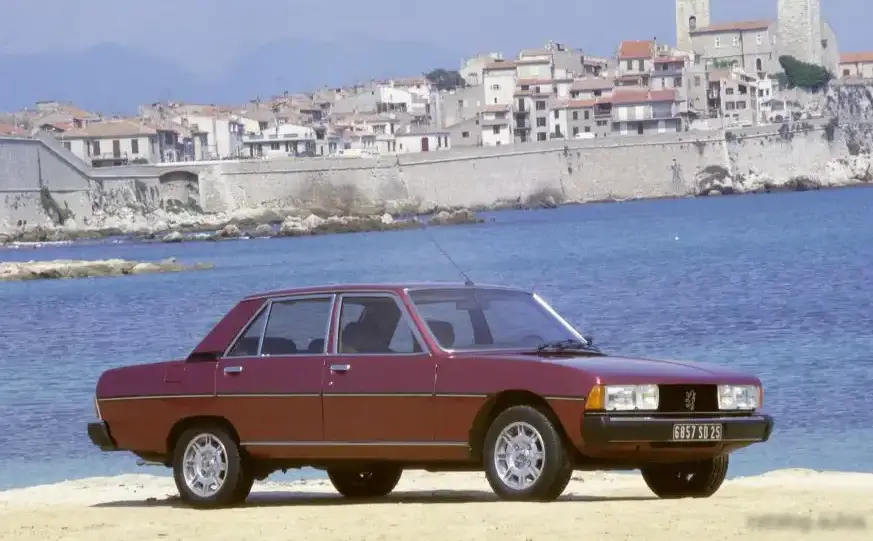
The Peugeot 604 2.7 SL, produced between 1975 and 1983, represents a significant offering in Peugeot’s flagship sedan lineup. Positioned as a premium, comfortable, and technologically advanced vehicle for its time, the 604 aimed to compete with established German and British luxury cars. The 2.7 SL variant, equipped with a 2.7-liter naturally aspirated V6 engine producing 136 horsepower, served as a mid-range option within the 604 family, offering a balance between performance and fuel economy. It was a key model in establishing Peugeot’s reputation for engineering excellence and sophisticated design in the upper-midsize segment.
Technical Specifications
| Brand | Peugeot |
| Model | 604 |
| Generation | 604 |
| Type (Engine) | 2.7 SL (136 Hp) |
| Start of Production | 1975 |
| End of Production | 1983 |
| Powertrain Architecture | Internal Combustion Engine |
| Body Type | Sedan |
| Fuel Type | Petrol (Gasoline) |
| Power | 136 Hp |
| Engine Model/Code | ZM 112, ZMJ 112 |
| Engine Aspiration | Naturally Aspirated |
| Engine Oil Capacity | 6 l (6.34 US qt | 5.28 UK qt) |
| Coolant Capacity | 10.3 l (10.88 US qt | 9.06 UK qt) |
Powertrain & Engine Architecture
The heart of the 604 2.7 SL is the ZM/ZMJ 112 engine, a 2.7-liter (2664 cc) V6. This engine is notable for its 90-degree V-angle, contributing to a smoother running character compared to engines with narrower V-angles. It features a cast iron block and aluminum cylinder heads. The engine utilizes a Solex C35 PHH carburetor for fuel delivery, a common setup for European vehicles of the era. The valvetrain consists of two valves per cylinder, operated by a single overhead camshaft. The engine’s design prioritized refinement and durability over outright performance. The ZMJ 112 variant introduced slight modifications to improve emissions compliance as regulations tightened during the late 1970s and early 1980s.
The 2.7 SL was typically paired with a three-speed automatic transmission, although a five-speed manual transmission was also available. The automatic transmission, while providing convenience, was not known for its particularly quick shifts or fuel efficiency. It was geared towards smooth operation and comfort, aligning with the overall character of the 604 2.7 SL. The transmission’s torque converter played a significant role in smoothing out power delivery, making the car easy to drive in urban environments.
Driving Characteristics
The 604 2.7 SL offered a comfortable and refined driving experience. With 136 horsepower and approximately 192 lb-ft of torque, acceleration was adequate for the time, but not particularly brisk. Zero to sixty mph times were typically in the 10-11 second range. The automatic transmission, while smooth, did detract from the engine’s potential, resulting in a noticeable delay in response. The gear ratios were optimized for cruising, making the 604 a capable long-distance tourer. Compared to the more powerful 2.8-liter V6 variants, the 2.7 SL felt less eager to rev, but offered better fuel economy. The manual transmission versions of the 2.7 SL provided a more engaging driving experience, allowing drivers to better utilize the engine’s power band.
Equipment & Trim Levels
The 604 2.7 SL was well-equipped for its era, offering a level of luxury comparable to its competitors. Standard features included power-assisted steering, disc brakes on all four wheels (a significant feature for the time), and comfortable seating upholstered in cloth or optional leather. The interior was characterized by its spaciousness and elegant design. Dashboard instrumentation included a speedometer, tachometer, fuel gauge, coolant temperature gauge, and clock. Optional extras included air conditioning, a sunroof, and upgraded audio systems. The SL trim level generally represented a step up from the base model, offering more refined interior materials and additional convenience features.
Chassis & Braking
The 604 featured an independent suspension system all around, utilizing MacPherson struts at the front and a semi-trailing arm setup at the rear. This suspension design contributed to a comfortable ride and good handling characteristics. The steering was a recirculating ball system, providing a relatively heavy but precise feel. Braking was accomplished via disc brakes on all four wheels, offering good stopping power for the time. Later models received improvements to the braking system, including larger brake discs and improved calipers. Stabilizer bars were fitted to both the front and rear axles to reduce body roll during cornering. The chassis was designed to provide a balance between comfort and handling, prioritizing a smooth ride over sporty dynamics.
Market Reception & Comparison
The Peugeot 604 2.7 SL was generally well-received by automotive critics. It was praised for its comfortable ride, spacious interior, and sophisticated design. However, some critics noted that the 2.7-liter engine felt somewhat underpowered, particularly when paired with the automatic transmission. Fuel economy was considered reasonable for a vehicle of its size and class, but not exceptional. Compared to the 2.8-liter V6 models, the 2.7 SL offered a more affordable entry point into the 604 range, appealing to buyers who prioritized comfort and refinement over outright performance. The 604 also faced competition from established German rivals such as the Mercedes-Benz W116 and the BMW E23, which were often perceived as having higher build quality and prestige.
Legacy
The Peugeot 604, including the 2.7 SL variant, has developed a cult following among enthusiasts. The ZM/ZMJ engine, while not known for being particularly high-strung, is generally considered to be durable and reliable if properly maintained. Common issues include carburetor problems and wear in the suspension components. Finding parts can be challenging, as the 604 is now a relatively rare vehicle. However, a dedicated community of owners and enthusiasts exists, providing support and resources for maintaining these classic cars. The 604 2.7 SL represents a significant chapter in Peugeot’s history, showcasing the company’s commitment to innovation and engineering excellence. Today, well-maintained examples are sought after by collectors and enthusiasts who appreciate the car’s unique blend of style, comfort, and sophistication.
