
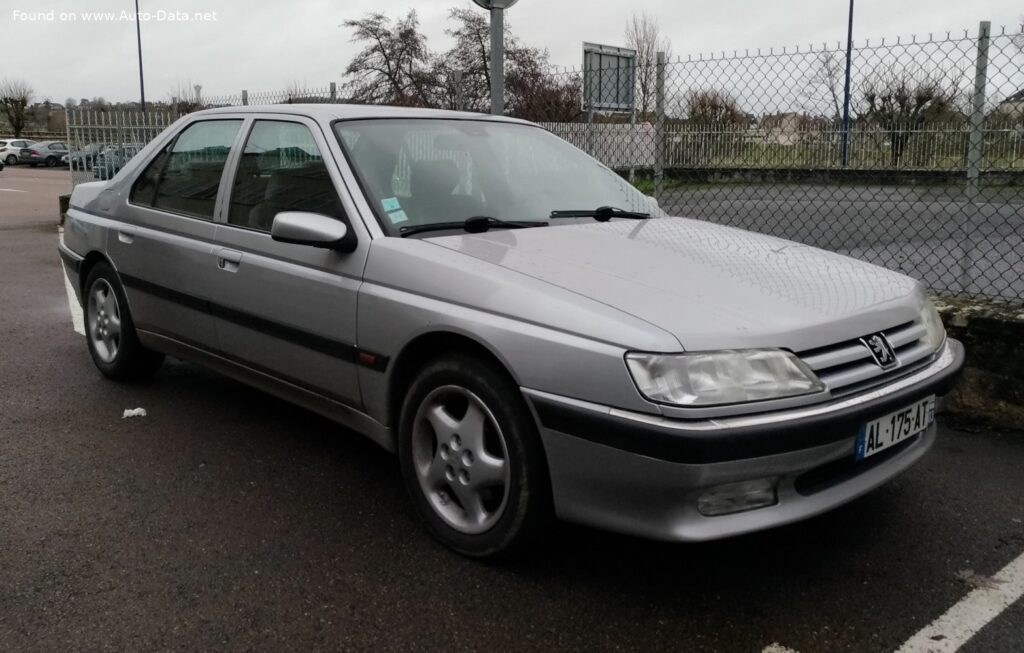
The Peugeot 605 (6B) 2.0 Turbo, produced from 1991 to 2000, represents a significant step forward for the French automaker, embodying a blend of luxury, performance, and advanced technology for its time. Positioned as Peugeot’s flagship sedan, the 605 aimed to compete with established German and British executive cars. While not officially sold in the United States, the 605 was a popular choice in Europe for those seeking a sophisticated and comfortable alternative to the more common offerings from BMW, Mercedes-Benz, and Jaguar. The 2.0 Turbo variant, equipped with a turbocharged four-cylinder engine and automatic transmission, offered a compelling balance of power and efficiency.
Peugeot 605 (6B) 2.0 Turbo: An Overview
The 605 was the successor to the Peugeot 505 and marked a departure in design and engineering. It was larger, more refined, and featured a more modern aesthetic. The 6B generation, specifically, benefited from continuous improvements throughout its production run, enhancing its reliability and features. The 2.0 Turbo model, with its 147 horsepower engine, provided a spirited driving experience, making it a popular choice for drivers who appreciated a responsive and engaging vehicle. The car’s focus was on providing a comfortable and technologically advanced experience for both the driver and passengers.
Engine & Performance
The heart of the Peugeot 605 2.0 Turbo is its 1998 cc (121.93 cu. in.) inline four-cylinder engine, designated RGX XU10J2TE. This engine utilizes a turbocharger and multi-port fuel injection to produce 147 horsepower at 5300 rpm and 235 Nm (173.33 lb.-ft.) of torque at 2500 rpm. This configuration delivers a power-to-liter ratio of 73.6 hp/l. The engine’s transverse mounting and front-wheel-drive layout contribute to its efficient packaging and handling characteristics. Acceleration from 0 to 100 km/h (0-62 mph) takes approximately 10 seconds, while the 0-60 mph sprint is achieved in around 9.5 seconds. The car boasts a maximum speed of 210 km/h (130.49 mph). The weight-to-power ratio of 10 kg/hp and a weight-to-torque ratio of 6.3 kg/Nm demonstrate a reasonable balance between power and weight for a vehicle of its class and era. Fuel consumption is rated at 9.6 l/100 km (24.5 US mpg, 29.4 UK mpg, 10.4 km/l).
Design & Features
The Peugeot 605 is a four-door sedan with a sleek and aerodynamic design. Its body style reflects the design trends of the early 1990s, characterized by clean lines and a relatively understated elegance. The interior is designed for comfort and practicality, offering seating for five passengers. Key features include a spacious cabin, a well-appointed dashboard, and a generous trunk capacity of 497 liters (17.55 cu. ft.). Safety features, while not as comprehensive as modern standards, included an Anti-lock Braking System (ABS) which was a significant advancement for the time. The hydraulic power steering and wishbone/double wishbone suspension systems contribute to a comfortable and controlled ride. The car rides on 15-inch wheels fitted with 205/60 R15 tires. The 605 prioritized driver and passenger comfort, offering a refined and quiet cabin experience.
Technical Specifications
| Brand | Peugeot |
| Model | 605 |
| Generation | 605 (6B) |
| Type (Engine) | 2.0 Turbo (147 Hp) Automatic |
| Start of production | 1991 |
| End of production | 2000 |
| Powertrain Architecture | Internal Combustion engine |
| Body type | Sedan |
| Seats | 5 |
| Doors | 4 |
| Fuel consumption (combined) | 9.6 l/100 km |
| Fuel consumption (US mpg) | 24.5 US mpg |
| Fuel consumption (UK mpg) | 29.4 UK mpg |
| Fuel consumption (km/l) | 10.4 km/l |
| Fuel Type | Petrol (Gasoline) |
| Acceleration 0 – 100 km/h | 10 sec |
| Acceleration 0 – 62 mph | 10 sec |
| Acceleration 0 – 60 mph | 9.5 sec |
| Maximum speed | 210 km/h (130.49 mph) |
| Weight-to-power ratio | 10 kg/Hp |
| Weight-to-torque ratio | 6.3 kg/Nm |
| Power | 147 Hp @ 5300 rpm |
| Power per litre | 73.6 Hp/l |
| Torque | 235 Nm @ 2500 rpm (173.33 lb.-ft. @ 2500 rpm) |
| Engine layout | Front, Transverse |
| Engine Model/Code | RGX XU10J2TE |
| Engine displacement | 1998 cm3 (121.93 cu. in.) |
| Number of cylinders | 4 |
| Engine configuration | Inline |
| Cylinder Bore | 86 mm (3.39 in.) |
| Piston Stroke | 86 mm (3.39 in.) |
| Compression ratio | 8.5:1 |
| Number of valves per cylinder | 2 |
| Fuel injection system | Multi-port manifold injection |
| Engine aspiration | Turbocharger |
| Valvetrain | OHC |
| Engine oil capacity | 4.25 l (4.49 US qt | 3.74 UK qt) |
| Coolant | 7.3 l (7.71 US qt | 6.42 UK qt) |
| Kerb Weight | 1470 kg (3240.8 lbs.) |
| Max. weight | 1970 kg (4343.11 lbs.) |
| Max load | 500 kg (1102.31 lbs.) |
| Trunk (boot) space – minimum | 497 l (17.55 cu. ft.) |
| Fuel tank capacity | 80 l (21.13 US gal | 17.6 UK gal) |
| Length | 4765 mm (187.6 in.) |
| Width | 1799 mm (70.83 in.) |
| Height | 1417 mm (55.79 in.) |
| Wheelbase | 2800 mm (110.24 in.) |
| Front track | 1527 mm (60.12 in.) |
| Rear (Back) track | 1528 mm (60.16 in.) |
| Drivetrain Architecture | Front wheel drive |
| Number of gears and type of gearbox | 4 gears, automatic transmission |
| Front suspension | Wishbone |
| Rear suspension | Double wishbone |
| Front brakes | Ventilated discs |
| Rear brakes | Disc |
| Assisting systems | ABS (Anti-lock braking system) |
| Steering type | Steering rack and pinion |
| Power steering | Hydraulic Steering |
| Tires size | 205/60 R15 |
| Wheel rims size | 15 |
The Peugeot 605 2.0 Turbo, while never officially available in the US market, remains a respected and admired vehicle among enthusiasts. Its combination of performance, comfort, and advanced features for its time solidified its position as a worthy competitor in the executive sedan segment, particularly within Europe.
