
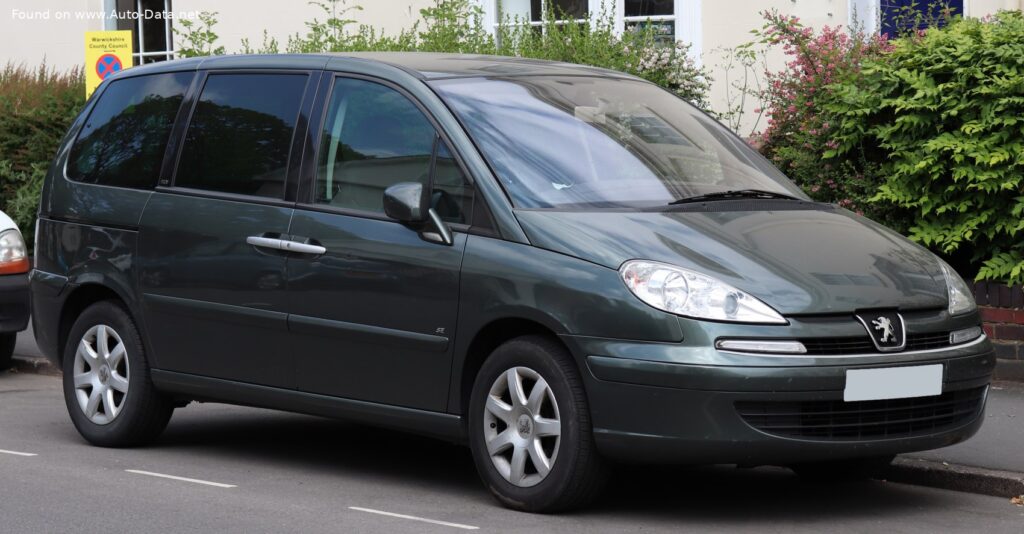
The Peugeot 807 2.2 HDi, produced from 2002 to 2008, was a large, eight-seater minivan positioned as a practical and spacious family vehicle. Part of the first generation of the 807 (introduced in 2002), it shared its platform and much of its mechanical underpinnings with the Citroën C8 and Fiat Ulysse, resulting from a joint venture between the PSA Group (Peugeot and Citroën) and Fiat. The 2.2 HDi variant, equipped with a 128 horsepower turbodiesel engine, represented a mid-range offering within the 807 lineup, balancing fuel efficiency with adequate performance for its size and intended purpose. It aimed to provide a comfortable and versatile transport solution for larger families or those requiring significant cargo space.
Peugeot 807 2.2 HDi: Overview and Positioning
The Peugeot 807 was designed to compete in the European minivan segment, offering a compelling alternative to vehicles like the Renault Espace and Volkswagen Sharan. The 2.2 HDi model occupied a middle ground in the 807 range. Lower-powered petrol engines were available for buyers prioritizing lower initial cost, while a more powerful 2.7 HDi V6 diesel engine catered to those needing greater performance and towing capacity. The 2.2 HDi struck a balance, offering reasonable performance combined with the fuel economy benefits of a diesel engine, making it a popular choice for long-distance family travel. Its primary focus was on providing a comfortable and practical experience, rather than sporty handling or rapid acceleration.
Powertrain & Engine Architecture
The heart of the 807 2.2 HDi is the DW12TED4 engine, a 2.2-liter inline-four cylinder diesel engine. This engine, developed by PSA, utilizes a common rail direct injection system, delivering fuel directly into the combustion chamber at extremely high pressure. This technology contributes to improved fuel efficiency, reduced emissions, and quieter operation compared to older diesel injection systems. The engine produces 128 horsepower (95 kW) at 4000 rpm and 314 Nm (231.59 lb-ft) of torque at 2000 rpm. A turbocharger with an intercooler is employed to increase power output by forcing more air into the engine. The engine features an overhead camshaft (OHC) valvetrain with four valves per cylinder. The compression ratio is relatively high at 18:1, typical for diesel engines, contributing to their efficiency. The engine oil capacity is 5.25 liters (5.55 US quarts / 4.62 UK quarts), and the recommended oil specification should be consulted in the vehicle’s owner’s manual.
The 807 2.2 HDi was primarily offered with a 5-speed manual transmission. While an automatic transmission was available in some markets, it was less common and often considered less refined than the manual option. The manual gearbox provides precise control and contributes to the vehicle’s fuel efficiency. The transmission is front-wheel drive, a common configuration for minivans prioritizing space efficiency and cost-effectiveness.
Driving Characteristics
The Peugeot 807 2.2 HDi, with its 128 hp and 314 Nm of torque, delivers adequate, but not exhilarating, performance. Acceleration from 0 to 100 km/h (0-62 mph) takes approximately 13.6 seconds, and 0 to 60 mph is achieved in around 12.9 seconds. The maximum speed is 182 km/h (113.09 mph). The engine’s torque is readily available from low engine speeds, making it suitable for carrying a full load of passengers and luggage. However, overtaking maneuvers require careful planning, and the engine can feel strained when climbing steep hills. The 5-speed manual transmission is well-matched to the engine’s characteristics, providing a reasonable spread of gears for both urban and highway driving. The gear ratios are optimized for fuel efficiency and comfortable cruising rather than outright performance. Compared to the more powerful 2.7 HDi V6, the 2.2 HDi feels noticeably slower, but it offers significantly better fuel economy.
Equipment & Trim Levels
The Peugeot 807 2.2 HDi typically came equipped with a reasonable level of standard features, reflecting its position as a family-oriented vehicle. Standard equipment often included air conditioning, power windows, central locking, and an audio system. Higher trim levels added features such as alloy wheels, rear parking sensors, a multi-function steering wheel, and upgraded interior upholstery. Interior upholstery was typically cloth, with options for leather available on higher-spec models. The dashboard layout is functional and straightforward, prioritizing ease of use. Optional extras included a navigation system, a sunroof, and a DVD entertainment system for rear passengers. The 807’s modular interior allows for flexible seating configurations, with the rear seats capable of folding flat or being removed entirely to maximize cargo space.
Chassis & Braking
The Peugeot 807 utilizes a front-wheel-drive chassis with a MacPherson strut suspension at the front and a coil spring suspension at the rear. This suspension setup provides a comfortable ride quality, absorbing bumps and imperfections in the road surface effectively. The vehicle’s relatively high weight (1650 kg / 3637.63 lbs) contributes to its stability, but also impacts its handling agility. The braking system consists of ventilated discs at the front and solid discs at the rear. Anti-lock Braking System (ABS) is standard, enhancing braking performance and safety. The steering is hydraulic power-assisted, providing a light and responsive feel. The standard tire size is 215/60 R16.
Market Reception & Comparison
The Peugeot 807 2.2 HDi received generally positive reviews from automotive critics, who praised its spacious interior, comfortable ride, and fuel efficiency. However, some criticisms were leveled at its relatively modest performance and somewhat dated interior design. Compared to the 2.7 HDi V6, the 2.2 HDi offered significantly better fuel economy – approximately 7.4 l/100 km (31.8 US mpg / 38.2 UK mpg) combined – but at the expense of performance. The 2.2 HDi was often seen as a more sensible choice for buyers prioritizing practicality and running costs over outright speed. Its fuel economy was competitive with other diesel-powered minivans of the time. Reliability was generally considered good, although some owners reported issues with the electronic systems and the diesel particulate filter (DPF).
Technical Specifications
| Brand | Peugeot |
| Model | 807 |
| Generation | 807 |
| Type (Engine) | 2.2 HDi (128 Hp) |
| Start of production | 2002 |
| End of production | 2008 |
| Engine Model/Code | 4HW DW12TED4 |
| Engine displacement | 2179 cm3 (132.97 cu. in.) |
| Number of cylinders | 4 |
| Engine configuration | Inline |
| Power | 128 Hp @ 4000 rpm |
| Torque | 314 Nm @ 2000 rpm (231.59 lb.-ft. @ 2000 rpm) |
| Fuel Type | Diesel |
| Acceleration 0 – 100 km/h | 13.6 sec |
| Acceleration 0 – 60 mph | 12.9 sec |
| Maximum speed | 182 km/h (113.09 mph) |
| Kerb Weight | 1650 kg (3637.63 lbs) |
| Fuel tank capacity | 80 l (21.13 US gal | 17.6 UK gal) |
| Length | 4730 mm (186.22 in) |
| Width | 1850 mm (72.83 in) |
| Height | 1750 mm (68.9 in) |
Legacy
The Peugeot 807 2.2 HDi, while no longer in production, remains a relatively common sight on European roads. The DW12TED4 engine is known for its durability and longevity, provided it has been properly maintained. Regular servicing, including oil changes and DPF maintenance, is crucial for ensuring its continued reliability. In the used car market, the 807 2.2 HDi represents a cost-effective option for families needing a spacious and practical vehicle. However, potential buyers should be aware of the potential for age-related issues, such as wear and tear on suspension components and electronic systems. The 807’s spacious interior and fuel-efficient diesel engine continue to appeal to buyers seeking a versatile and economical minivan.
