
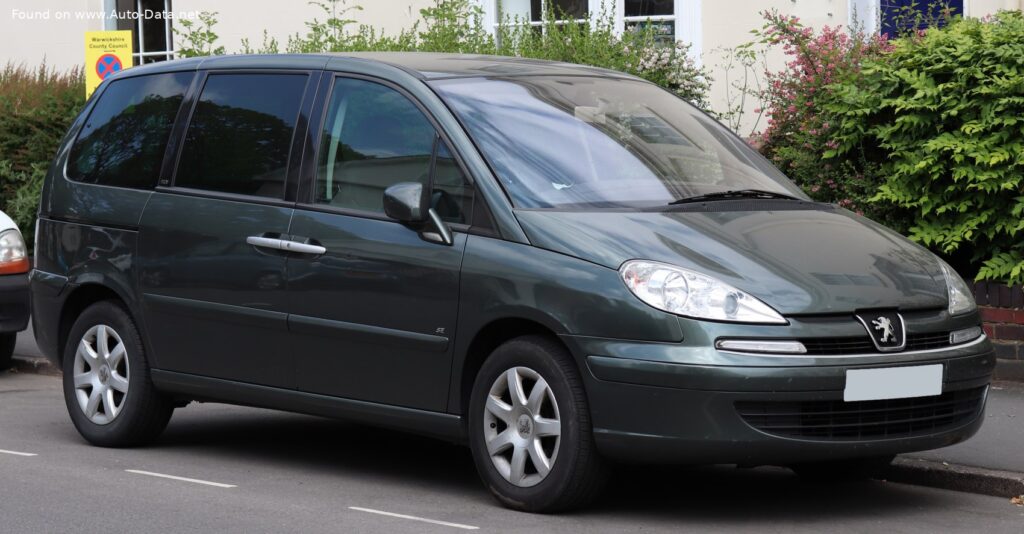
The Peugeot 807 3.0 V6 24V, produced from 2002 to 2008, was a large, eight-seat minivan positioned as the flagship of Peugeot’s people-carrier lineup. Part of the first generation of the 807 (introduced as a replacement for the Peugeot Espace), it shared its platform and much of its mechanical underpinnings with the Citroën C8 and Fiat Ulysse, resulting from a joint venture between the three manufacturers. This particular variant, equipped with the 3.0-liter V6 gasoline engine and a four-speed automatic transmission, represented the premium offering within the 807 range, prioritizing comfort and effortless performance over fuel economy.
Peugeot 807 3.0 V6: A Detailed Overview
The 807 3.0 V6 aimed to provide a spacious and comfortable environment for families, offering a significant upgrade in power and refinement compared to the four-cylinder engine options available in the lineup. It was marketed towards buyers who needed a versatile vehicle capable of transporting large numbers of passengers and luggage, without compromising on driving experience. While not a performance vehicle, the V6 engine provided ample power for highway cruising and overtaking, making it a popular choice for long-distance travel.
Powertrain & Engine Architecture
At the heart of the 807 3.0 V6 lies the ES9J4S engine, a 2.946-liter (179.78 cubic inches) naturally aspirated V6. This engine, a product of Peugeot’s own engineering, features a 60-degree V-angle configuration, contributing to a relatively compact engine bay footprint. It utilizes a multi-port fuel injection system, delivering fuel directly into the intake ports, and a double overhead camshaft (DOHC) valvetrain with four valves per cylinder. This configuration allows for efficient cylinder filling and exhaust scavenging, contributing to the engine’s 204 horsepower output at 6000 rpm and 285 Nm (210.21 lb-ft) of torque at 3750 rpm.
The engine’s compression ratio is 10.9:1, a relatively high figure for a production gasoline engine, which helps to maximize thermal efficiency. The engine oil capacity is 4.75 liters (5.02 US quarts or 4.18 UK quarts), and the recommended oil specification should be consulted in the vehicle’s owner’s manual. The cooling system requires 10.5 liters (11.1 US quarts or 9.24 UK quarts) of coolant.
Paired with the V6 engine is a four-speed automatic transmission. While not the most modern transmission technology by today’s standards, it was a reliable unit designed to provide smooth and comfortable gear changes. The transmission’s gear ratios were optimized for relaxed cruising and effortless acceleration, rather than outright performance. The automatic transmission contributed to the vehicle’s ease of use, particularly in urban environments.
Driving Characteristics
The 807 3.0 V6 offered a noticeably more refined driving experience compared to its four-cylinder counterparts. The V6 engine provided a smooth and linear power delivery, with ample torque available across a wide rev range. Acceleration from 0 to 100 km/h (0-62 mph) took approximately 11 seconds, while the 0-60 mph sprint was achieved in around 10.5 seconds. Top speed was electronically limited to 205 km/h (127.38 mph).
The four-speed automatic transmission, while not offering the responsiveness of a manual gearbox or a more modern automatic, provided smooth and predictable shifts. The gear ratios were spaced to prioritize comfortable cruising, with a focus on minimizing engine noise and maximizing fuel efficiency at highway speeds. However, the transmission could feel somewhat sluggish during quick acceleration or when attempting to overtake on winding roads. The vehicle’s substantial weight (1760 kg or 3880.14 lbs) also contributed to a less sporty driving feel.
Equipment & Trim Levels
The 3.0 V6 variant of the Peugeot 807 typically came equipped with a generous level of standard features. These included air conditioning, power windows, central locking, and an integrated audio system. Higher trim levels offered additional features such as leather upholstery, automatic climate control, a sunroof, and parking sensors. The interior was designed with practicality in mind, offering a spacious and comfortable cabin for up to eight passengers. The rear seats could be folded or removed to create a larger cargo area, providing exceptional versatility.
Optional extras included a DVD entertainment system for rear passengers, upgraded audio systems, and metallic paint finishes. The interior trim materials varied depending on the trim level, with higher-spec models featuring more luxurious fabrics and leather accents.
Chassis & Braking
The Peugeot 807 3.0 V6 utilized a front-wheel-drive layout. The front suspension consisted of a MacPherson strut setup, while the rear suspension employed a coil spring arrangement. This suspension configuration provided a comfortable ride quality, absorbing bumps and imperfections in the road surface effectively. The vehicle’s weight and high center of gravity did contribute to some body roll during cornering.
The braking system featured ventilated discs on the front wheels and solid discs on the rear wheels. An Anti-lock Braking System (ABS) was standard, enhancing braking performance and stability, particularly in adverse weather conditions. The steering system was a hydraulic power-assisted rack and pinion setup, providing a light and responsive steering feel.
Market Reception & Comparison
The Peugeot 807 3.0 V6 was generally well-received by automotive critics, who praised its spacious interior, comfortable ride, and refined engine. However, some critics noted the relatively high fuel consumption and the somewhat dated four-speed automatic transmission. Compared to the four-cylinder versions of the 807, the V6 offered a significant improvement in performance and refinement, but at a higher price point.
Fuel economy figures were rated at 15.8 l/100 km (14.9 US mpg, 17.9 UK mpg, 6.3 km/l) in urban driving, 9 l/100 km (26.1 US mpg, 31.4 UK mpg, 11.1 km/l) on the extra-urban cycle, and 11.5 l/100 km (20.5 US mpg, 24.6 UK mpg, 8.7 km/l) combined. Reliability was generally good, although regular maintenance was essential to ensure the longevity of the engine and transmission.
Technical Specifications
| Brand | Peugeot |
| Model | 807 |
| Type | 3.0 V6 24V (204 Hp) |
| Start of production | 2002 |
| End of production | 2008 |
| Engine Displacement | 2946 cm3 (179.78 cu. in.) |
| Number of Cylinders | 6 |
| Engine Configuration | V-engine |
| Power | 204 Hp @ 6000 rpm |
| Torque | 285 Nm @ 3750 rpm (210.21 lb.-ft. @ 3750 rpm) |
| Fuel Type | Petrol (Gasoline) |
| Acceleration 0-100 km/h | 11 sec |
| Acceleration 0-60 mph | 10.5 sec |
| Maximum Speed | 205 km/h (127.38 mph) |
| Kerb Weight | 1760 kg (3880.14 lbs) |
| Fuel Tank Capacity | 80 l (21.13 US gal, 17.6 UK gal) |
| Transmission | 4-speed Automatic |
| Drive Wheels | Front Wheel Drive |
Legacy
The Peugeot 807 3.0 V6, while no longer in production, remains a popular choice in the used car market, particularly for families seeking a spacious and comfortable vehicle. The V6 engine is known for its reliability, provided it has been properly maintained. However, potential buyers should be aware of the relatively high fuel consumption and the age of the vehicle, which may require more frequent maintenance and repairs. The 807’s spacious interior and versatile seating configuration continue to make it a practical and appealing option for those needing a large people carrier.
