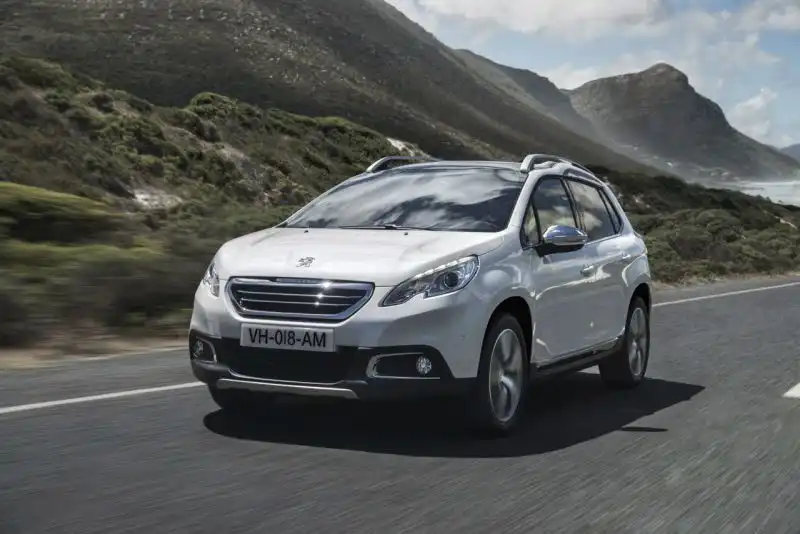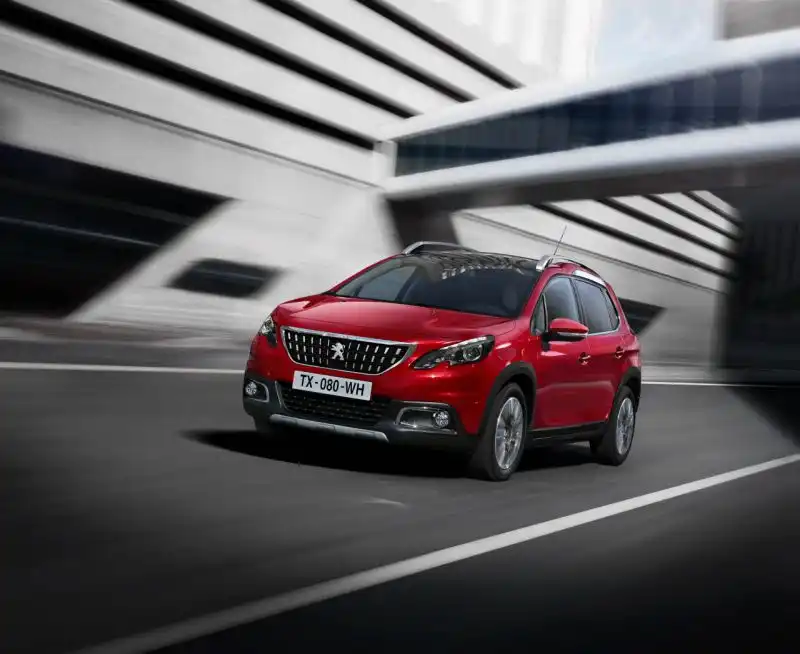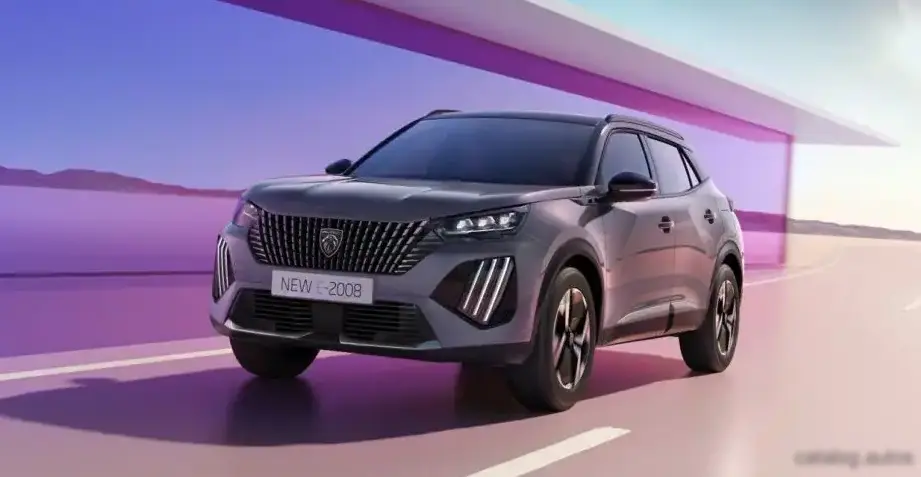
The Peugeot 2008 II, specifically the 1.2 PureTech 136 hp Mild Hybrid e-DCS6 variant, represents a significant update to Peugeot’s popular subcompact SUV. Introduced in December 2023 as part of the facelift for the second-generation 2008 (launched originally in 2020), this model aimed to enhance fuel efficiency and reduce emissions while maintaining a competitive position in the European market. Production continued until March 2025. This version sits within the broader 2008 II range, which utilizes the Common Modular Platform (CMP) shared with other Stellantis vehicles like the Opel/Vauxhall Corsa and the Citroën C3 Aircross. The e-DCS6 powertrain is a key element of Peugeot’s strategy to offer electrified options across its lineup, bridging the gap between traditional internal combustion engines and full electric vehicles.
Technical Specifications
| Brand | Peugeot |
| Model | 2008 |
| Generation | 2008 II (facelift 2023) |
| Type (Engine) | 1.2 (136 Hp) Mild Hybrid e-DCS6 |
| Start of production | December, 2023 |
| End of production | March, 2025 |
| Powertrain Architecture | MHEV (Mild Hybrid Electric Vehicle) |
| Body type | SUV |
| Seats | 5 |
| Doors | 5 |
| Combined fuel consumption (WLTP) | 4.9-5.0 l/100 km (48 – 47 US mpg) |
| CO2 emissions (WLTP) | 110-113 g/km |
| Fuel Type | Petrol (Gasoline) |
| Acceleration 0 – 100 km/h | 8.3 sec |
| Acceleration 0 – 62 mph | 8.3 sec |
| Acceleration 0 – 60 mph | 7.9 sec |
| Maximum speed | 206 km/h (128 mph) |
| Emission standard | Euro 6 |
| Weight-to-power ratio | 10.1 kg/Hp |
| Weight-to-torque ratio | 6 kg/Nm |
| Gross battery capacity | 0.890 kWh |
| Net (usable) battery capacity | 0.432 kWh |
| Battery voltage | 48 V |
| Battery technology | Lithium-ion (Li-Ion) |
| Electric motor power | 21 Hp |
| Electric motor Torque | 55 Nm (40.57 lb.-ft.) |
| Power | 136 Hp @ 5500 rpm |
| Torque | 230 Nm @ 1750 rpm (169.64 lb.-ft. @ 1750 rpm) |
| Engine displacement | 1199 cm3 (73.17 cu. in.) |
| Number of cylinders | 3 |
| Engine configuration | Inline |
| Fuel injection system | Direct injection |
| Engine oil capacity | 3.5 l (3.7 US qt | 3.08 UK qt) |
| Kerb Weight | 1372 kg (3024.74 lbs.) |
| Max. weight | 1790 kg (3946.27 lbs.) |
| Trunk (boot) space – minimum | 434 l (15.33 cu. ft.) |
| Trunk (boot) space – maximum | 1467 l (51.81 cu. ft.) |
| Fuel tank capacity | 44 l (11.62 US gal | 9.68 UK gal) |
| Length | 4304 mm (169.45 in.) |
| Width | 1775 mm (69.88 in.) |
| Height | 1550 mm (61.02 in.) |
| Wheelbase | 2605 mm (102.56 in.) |
| Number of gears and type of gearbox | 6 gears, automatic transmission e-DCS6 |
Powertrain & Engine Architecture
The heart of this 2008 variant is the Peugeot 1.2 PureTech three-cylinder gasoline engine, specifically tuned to produce 136 horsepower at 5500 rpm and 230 Nm (169.64 lb-ft) of torque at 1750 rpm. This engine utilizes direct fuel injection and a turbocharger with an intercooler to maximize efficiency and power output. The “Mild Hybrid” designation refers to the integration of a 48-volt electrical system and a small electric motor. This electric motor, producing 21 hp and 55 Nm of torque, doesn’t provide full electric drive capability but assists the gasoline engine during acceleration and allows for regenerative braking, capturing energy during deceleration to recharge the 0.890 kWh lithium-ion battery. The e-DCS6 is a six-speed automatic transmission specifically designed for hybrid applications, offering smooth gear changes and optimized efficiency. The engine code for this configuration is typically associated with the HNP family of engines.
Driving Characteristics
The 1.2 PureTech 136 hp Mild Hybrid e-DCS6 offers a balanced driving experience. Acceleration from 0-100 km/h (0-62 mph) takes approximately 8.3 seconds, which is respectable for a vehicle in this class. The mild hybrid system provides a noticeable boost during initial acceleration, making the car feel more responsive in urban driving conditions. The e-DCS6 automatic transmission shifts smoothly, although it may not be as sporty or engaging as a manual gearbox. Compared to the more powerful 1.5 BlueHDi diesel variants, this model offers less torque, resulting in slightly slower acceleration in higher gears. However, it provides a quieter and more refined driving experience. The gear ratios are tuned for fuel efficiency, prioritizing comfortable cruising over outright performance.
Equipment & Trim Levels
The 1.2 PureTech 136 hp Mild Hybrid e-DCS6 was typically offered in mid-range trim levels, such as Allure and GT Line, depending on the specific market. Standard equipment generally included features like a touchscreen infotainment system with Apple CarPlay and Android Auto compatibility, automatic climate control, rear parking sensors, and a suite of safety features including lane departure warning and automatic emergency braking. Higher trim levels added features like a panoramic sunroof, leather upholstery, and advanced driver-assistance systems such as adaptive cruise control and blind-spot monitoring. Interior upholstery was typically a mix of cloth and synthetic leather, with a modern and minimalist dashboard design.
Chassis & Braking
The 2008 II utilizes a McPherson strut front suspension and an elastic beam rear suspension. This setup provides a good balance between ride comfort and handling. The front brakes are disc brakes (302×26 mm), while the rear brakes are typically disc brakes (249×10 mm) on higher trim levels, with some base models potentially equipped with drum brakes. The steering is electric power-assisted, providing light and precise steering feel. Standard safety features include ABS (Anti-lock Braking System) and Electronic Stability Control (ESC).
Market Reception & Comparison
The Peugeot 2008 II 1.2 PureTech 136 hp Mild Hybrid e-DCS6 was generally well-received by automotive critics. It was praised for its fuel efficiency, comfortable ride, and stylish design. Compared to the non-hybrid 1.2 PureTech variants, the mild hybrid version offered improved fuel economy and reduced emissions. However, some critics noted that the mild hybrid system didn’t provide a significant performance boost. Compared to the diesel models, the gasoline-powered hybrid offered a quieter and more refined driving experience, but with slightly higher running costs depending on fuel prices. The car competed directly with other subcompact SUVs like the Renault Captur, Volkswagen T-Cross, and Nissan Juke.
Legacy
The Peugeot 2008 II 1.2 PureTech 136 hp Mild Hybrid e-DCS6 represents a step towards electrification for the Peugeot brand. While the 1.2 PureTech engine has faced some reliability concerns regarding coolant pump failures in other applications, the mild hybrid system itself has proven relatively reliable. On the used car market, these models are becoming increasingly popular due to their fuel efficiency and lower emissions. The e-DCS6 transmission, while not known for being particularly robust, has generally performed adequately with regular maintenance. As consumer demand for electrified vehicles continues to grow, the 2008 II Mild Hybrid is likely to remain a desirable option for buyers seeking a practical and efficient subcompact SUV.