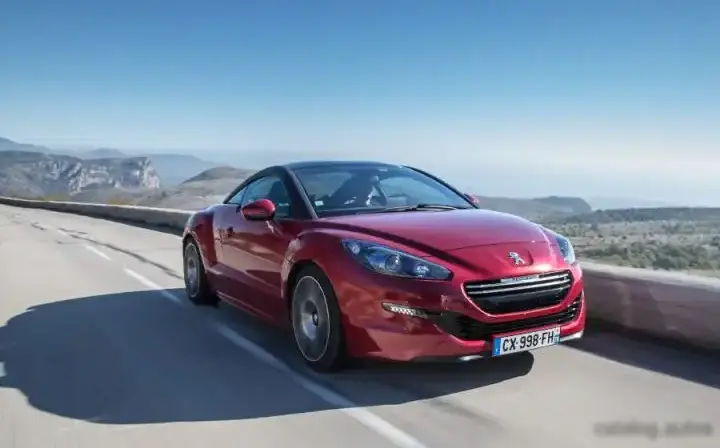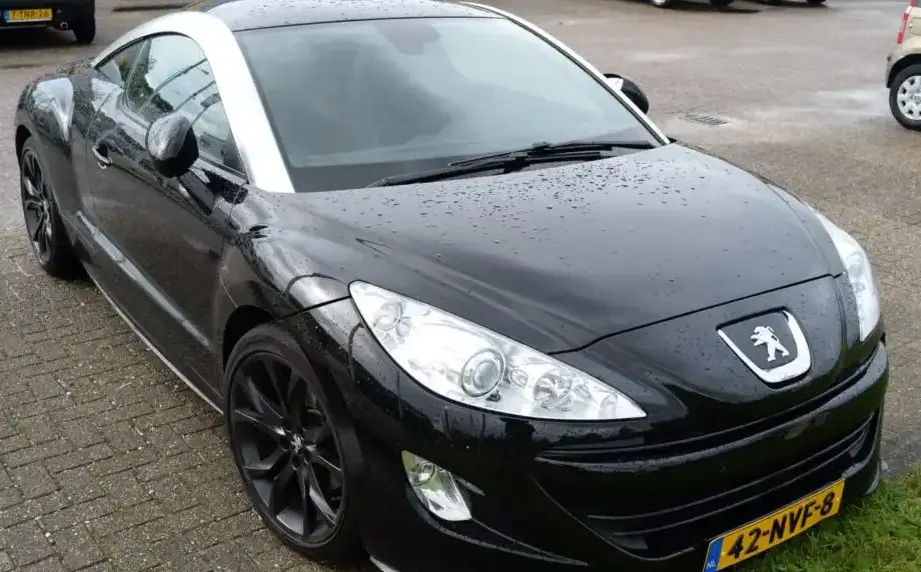
The Peugeot RCZ 1.6 THP (156 hp) was a stylish, sporty coupe produced by the French automaker Peugeot between 2010 and 2013. Positioned as the flagship variant within the RCZ range during much of its production run, it aimed to offer a compelling blend of performance, fuel efficiency, and distinctive design. The RCZ itself was a departure for Peugeot, representing an attempt to inject more emotion and driver engagement into their lineup. It was built on the Peugeot 308 platform, but with a dramatically different, coupe-focused body style. This particular 1.6 THP variant served as the primary volume seller, appealing to buyers seeking a balance between affordability and a spirited driving experience.
Technical Specifications
| Brand | Peugeot |
| Model | RCZ |
| Generation | RCZ |
| Type (Engine) | 1.6 THP (156 Hp) |
| Start of production | 2010 |
| End of production | 2013 |
| Powertrain Architecture | Internal Combustion engine |
| Body type | Coupe |
| Seats | 4 |
| Doors | 2 |
| Fuel consumption (urban) | 8.9 l/100 km (26.4 US mpg) |
| Fuel consumption (extra urban) | 5.1 l/100 km (46.1 US mpg) |
| Fuel consumption (combined) | 6.4 l/100 km (36.8 US mpg) |
| Fuel Type | Petrol (Gasoline) |
| Acceleration 0 – 100 km/h | 8 sec |
| Acceleration 0 – 62 mph | 8 sec |
| Acceleration 0 – 60 mph | 7.6 sec |
| Maximum speed | 217 km/h (134.84 mph) |
| Emission standard | Euro 5 |
| Weight-to-power ratio | 8.2 kg/Hp |
| Weight-to-torque ratio | 5.3 kg/Nm |
| Power | 156 Hp @ 6000 rpm |
| Torque | 240 Nm @ 1400 rpm (177.01 lb.-ft. @ 1400 rpm) |
| Engine layout | Front, Transverse |
| Engine Model/Code | 5FV EP6CDT |
| Engine displacement | 1598 cm3 (97.52 cu. in.) |
| Number of cylinders | 4 |
| Engine configuration | Inline |
| Number of valves per cylinder | 4 |
| Fuel injection system | Direct injection |
| Engine aspiration | Turbocharger, Intercooler |
| Engine oil capacity | 4.25 l (4.49 US qt | 3.74 UK qt) |
| Coolant capacity | 6.2 l (6.55 US qt | 5.46 UK qt) |
| Kerb Weight | 1275 kg (2810.89 lbs.) |
| Max. weight | 1740 kg (3836.04 lbs.) |
| Max load | 465 kg (1025.15 lbs.) |
| Trunk (boot) space – minimum | 321 l (11.34 cu. ft.) |
| Trunk (boot) space – maximum | 639 l (22.57 cu. ft.) |
| Fuel tank capacity | 55 l (14.53 US gal | 12.1 UK gal) |
| Length | 4290 mm (168.9 in.) |
| Width | 1958 mm (77.09 in.) |
| Height | 1362 mm (53.62 in.) |
| Wheelbase | 2612 mm (102.83 in.) |
| Minimum turning circle | 9.9 m (32.48 ft.) |
| Drivetrain Architecture | Front wheel drive |
| Number of gears | 6 gears, manual transmission |
| Front suspension | Independent type McPherson |
| Rear suspension | Elastic beam |
| Front brakes | Ventilated discs |
| Rear brakes | Disc |
| Tires size | 235/45 R18 |
| Wheel rims size | 18 |
Powertrain & Engine Architecture
The heart of the RCZ 1.6 THP was the 5FV EP6CDT engine, a 1.6-liter turbocharged inline-four cylinder. This engine was part of Peugeot and Citroën’s Prince engine family, developed in collaboration with BMW. The “THP” designation stands for “Turbo High Pressure,” indicating the use of a twin-scroll turbocharger and direct fuel injection. Direct injection allowed for precise fuel delivery, improving both power and efficiency. The engine featured a variable valve timing system on both intake and exhaust valves, optimizing performance across the rev range. The 156 hp version of the engine produced 240 Nm (177 lb-ft) of torque at a low 1400 rpm, providing good responsiveness for everyday driving. The engine was paired with a six-speed manual transmission, delivering power to the front wheels. While an automatic transmission was offered in some markets, the manual was the more common choice and generally preferred by enthusiasts.
Driving Characteristics
The RCZ 1.6 THP offered a surprisingly engaging driving experience for a front-wheel-drive coupe. The turbocharger provided a noticeable boost in power, making the car feel quicker than its 156 horsepower rating might suggest. Acceleration from 0-60 mph took around 7.6 seconds, which was competitive for its class. The six-speed manual transmission had well-defined shift gates, and the clutch pedal was relatively light. The RCZ’s suspension was tuned for a balance between comfort and handling. It wasn’t as overtly sporty as some rivals, but it provided a stable and predictable ride. Compared to the more powerful RCZ 1.6 THP 200, the 156 hp version felt less urgent, particularly at higher speeds. However, the lower power output also meant less torque steer, making it easier to manage under hard acceleration. The steering was precise and well-weighted, contributing to a confident feel behind the wheel.
Equipment & Trim Levels
The RCZ 1.6 THP typically came well-equipped, even in its base form. Standard features included air conditioning, power windows and mirrors, a CD stereo with USB connectivity, and alloy wheels. Higher trim levels, such as the Sport trim, added features like sport seats, leather upholstery, automatic climate control, and a more sophisticated audio system. Optional extras included a panoramic glass roof, xenon headlights, and a navigation system. The interior design of the RCZ was distinctive, with a driver-focused cockpit and a high center console. The rear seats were relatively small, making them best suited for occasional use or smaller passengers. The “double-bubble” roofline, a defining styling element of the RCZ, contributed to a sporty and unique interior ambiance.
Chassis & Braking
The RCZ’s chassis was based on the Peugeot 308 platform, but with significant modifications to improve rigidity and handling. The front suspension utilized McPherson struts, while the rear suspension employed an elastic beam setup. This configuration provided a good balance between ride comfort and handling precision. The RCZ 1.6 THP was equipped with ventilated disc brakes at the front and solid disc brakes at the rear. Anti-lock braking system (ABS) was standard. The suspension was tuned to handle the weight and power of the 1.6 THP engine, providing a stable and controlled ride. The steering system was a rack-and-pinion setup, offering precise and responsive steering feel.
Market Reception & Comparison
The Peugeot RCZ 1.6 THP was generally well-received by automotive critics. It was praised for its striking design, engaging driving dynamics, and relatively affordable price. However, some critics noted the limited rear seat space and the somewhat firm ride. Compared to other coupes in its class, such as the Volkswagen Scirocco and the Audi TT, the RCZ offered a more distinctive style and a more affordable price point. The 1.6 THP engine provided good fuel economy, averaging around 36.8 US mpg in combined driving. Reliability was generally good, although some owners reported minor issues with the turbocharger and the direct injection system. The RCZ 1.6 THP offered a compelling alternative to more mainstream coupes, appealing to buyers who wanted a car that stood out from the crowd.
Legacy
The Peugeot RCZ, and particularly the 1.6 THP variant, has developed a loyal following among enthusiasts. The engine, while not without its potential issues (like carbon buildup common to direct injection engines), has proven to be reasonably durable with proper maintenance. On the used car market, RCZs in good condition hold their value relatively well, particularly those with lower mileage and a full service history. The RCZ represented a bold design statement for Peugeot, and it helped to revitalize the brand’s image. While production ended in 2013, the RCZ remains a popular choice for buyers seeking a stylish and engaging coupe at an affordable price. Its unique design and enjoyable driving experience continue to make it a desirable and memorable car.