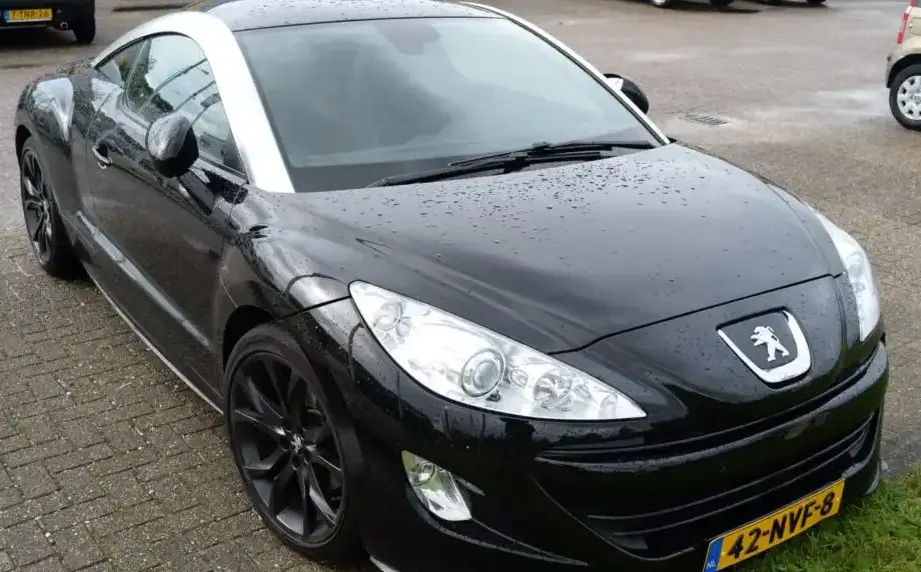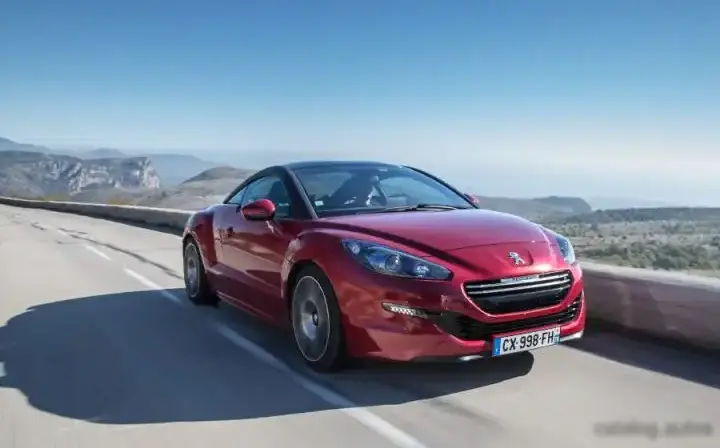
The Peugeot RCZ 2.0 HDi, specifically the facelifted model produced from 2013 to December 2015, represented a unique offering in the compact coupe segment. Positioned as a stylish and relatively efficient grand tourer, it blended Peugeot’s design flair with a diesel powertrain. This variant, equipped with the 2.0-liter HDi engine producing 163 horsepower, aimed to provide a balance between performance and fuel economy, appealing to buyers seeking a sporty yet practical vehicle. It sat in the mid-range of the RCZ lineup, offering more power than the gasoline-powered 1.6L THP variants but remaining more accessible than potential high-performance models that never materialized.
Technical Specifications
| Brand | Peugeot |
| Model | RCZ |
| Generation | RCZ (facelift 2013) |
| Type (Engine) | 2.0 HDi (163 Hp) |
| Start of production | 2013 |
| End of production | December, 2015 |
| Powertrain Architecture | Internal Combustion engine |
| Body type | Coupe |
| Seats | 4 |
| Doors | 2 |
| Fuel consumption (urban) | 6.5 l/100 km (36.2 US mpg, 43.5 UK mpg, 15.4 km/l) |
| Fuel consumption (extra urban) | 4.2 l/100 km (56 US mpg, 67.3 UK mpg, 23.8 km/l) |
| Fuel consumption (combined) | 5 l/100 km (47 US mpg, 56.5 UK mpg, 20 km/l) |
| CO2 emissions | 130 g/km |
| Fuel Type | Diesel |
| Acceleration 0 – 100 km/h | 8.2 sec |
| Acceleration 0 – 62 mph | 8.2 sec |
| Acceleration 0 – 60 mph | 7.8 sec |
| Maximum speed | 220 km/h (136.7 mph) |
| Emission standard | Euro 5 |
| Weight-to-power ratio | 8.4 kg/Hp, 119 Hp/tonne |
| Weight-to-torque ratio | 4.3 kg/Nm, 233.6 Nm/tonne |
| Power | 163 Hp @ 4000 rpm |
| Power per litre | 81.6 Hp/l |
| Torque | 320 Nm @ 2000 rpm (236.02 lb.-ft. @ 2000 rpm) |
| Engine layout | Front, Transverse |
| Engine Model/Code | RHH DW10CTED4 |
| Engine displacement | 1997 cm3 (121.86 cu. in.) |
| Number of cylinders | 4 |
| Engine configuration | Inline |
| Number of valves per cylinder | 4 |
| Fuel injection system | Diesel Commonrail |
| Engine aspiration | Turbocharger, Intercooler |
| Engine oil capacity | 5 l (5.28 US qt | 4.4 UK qt) |
| Coolant | 8 l (8.45 US qt | 7.04 UK qt) |
| Kerb Weight | 1370 kg (3020.33 lbs.) |
| Max. weight | 1825 kg (4023.44 lbs.) |
| Max load | 455 kg (1003.1 lbs.) |
| Trunk (boot) space – minimum | 321 l (11.34 cu. ft.) |
| Fuel tank capacity | 55 l (14.53 US gal | 12.1 UK gal) |
| Length | 4287 mm (168.78 in.) |
| Width | 1958 mm (77.09 in.) |
| Height | 1362 mm (53.62 in.) |
| Wheelbase | 2612 mm (102.83 in.) |
| Front track | 1580 mm (62.2 in.) |
| Rear (Back) track | 1593 mm (62.72 in.) |
| Ride height (ground clearance) | 111 mm (4.37 in.) |
| Minimum turning circle (turning diameter) | 11.5 m (37.73 ft.) |
| Drivetrain Architecture | The Internal combustion engine (ICE) drives the front wheels of the vehicle. |
| Drive wheel | Front wheel drive |
| Number of gears and type of gearbox | 6 gears, manual transmission |
| Front suspension | Independent, type McPherson with coil spring and anti-roll bar |
| Rear suspension | Semi-independent, coil spring |
| Front brakes | Ventilated discs |
| Rear brakes | Disc |
| Assisting systems | ABS (Anti-lock braking system) |
| Steering type | Steering rack and pinion |
| Tires size | 235/45 R18 |
| Wheel rims size | 18 |
Powertrain & Engine Architecture
The heart of this RCZ variant is the DW10CTED4 engine, a 2.0-liter four-cylinder diesel. This engine, a staple in the Peugeot-Citroën group, utilizes a common rail direct injection system, delivering fuel at extremely high pressure for optimized combustion. The engine benefits from a turbocharger with an intercooler, boosting power output and improving torque delivery. The RHH engine code signifies a specific calibration for the RCZ, tuned for a balance of performance and refinement. The engine produces 163 horsepower at 4000 rpm and a substantial 320 Nm (236 lb-ft) of torque at just 2000 rpm. This torque peak, characteristic of diesel engines, provides strong pulling power across a wide rev range. The engine features four valves per cylinder, enhancing breathing and contributing to its overall efficiency. The RCZ 2.0 HDi was exclusively offered with a six-speed manual transmission, prioritizing driver engagement and control over the convenience of an automatic.
Driving Characteristics
The RCZ 2.0 HDi offers a surprisingly engaging driving experience for a diesel-powered coupe. The high torque output allows for brisk acceleration, with 0-60 mph times around 7.8 seconds. While not a sports car in the traditional sense, the RCZ feels nimble and responsive, particularly on winding roads. The six-speed manual transmission is well-matched to the engine’s characteristics, providing precise shifts and allowing the driver to exploit the available power. Compared to the 1.6L THP gasoline variants, the HDi offers significantly more low-end torque, making it easier to drive in everyday situations and more capable of carrying a full load. However, it lacks the high-revving excitement of the gasoline engine. The diesel engine is also noticeably louder and less refined than the THP, although Peugeot made efforts to minimize noise and vibration through careful engine mounting and sound insulation.
Equipment & Trim Levels
The RCZ 2.0 HDi typically came well-equipped, reflecting its positioning as a mid-range model. Standard features included climate control, alloy wheels, a leather-wrapped steering wheel, and a CD/MP3 stereo system. Higher trim levels added features such as leather upholstery, sports seats, a panoramic glass roof, and a more advanced infotainment system. Optional extras included parking sensors, a navigation system, and upgraded audio equipment. The interior design of the RCZ is driver-focused, with a sporty and modern aesthetic. The coupe’s unique roofline and compact cabin create a sense of intimacy and sportiness.
Chassis & Braking
The RCZ utilizes a McPherson strut front suspension and a semi-independent coil spring rear suspension. This setup provides a good balance between ride comfort and handling precision. The front suspension incorporates an anti-roll bar to reduce body roll during cornering. The RCZ is equipped with ventilated disc brakes at the front and solid discs at the rear. ABS (Anti-lock Braking System) is standard, providing enhanced braking performance and stability. The steering is a rack and pinion system, offering precise and responsive control. The RCZ’s relatively low weight (around 1370 kg) contributes to its agile handling characteristics.
Market Reception & Comparison
The Peugeot RCZ 2.0 HDi was generally well-received by automotive critics. It was praised for its stylish design, engaging driving dynamics, and fuel efficiency. However, some critics noted the engine’s lack of refinement compared to its gasoline counterparts. Compared to other coupes in its class, the RCZ offered a unique combination of style, practicality, and fuel economy. Its diesel engine provided a significant advantage in terms of fuel consumption, making it an attractive option for drivers who cover long distances. The RCZ’s relatively affordable price point also made it a competitive choice.
Legacy
The Peugeot RCZ, while discontinued in 2015, remains a popular choice among enthusiasts. The 2.0 HDi engine, when properly maintained, is known for its durability and reliability. However, like all diesel engines, it is susceptible to issues related to the diesel particulate filter (DPF) if not driven on longer journeys regularly. On the used car market, the RCZ 2.0 HDi offers a compelling value proposition, providing a stylish and well-equipped coupe at an affordable price. Its unique design and engaging driving dynamics continue to appeal to buyers seeking a distinctive and practical vehicle.