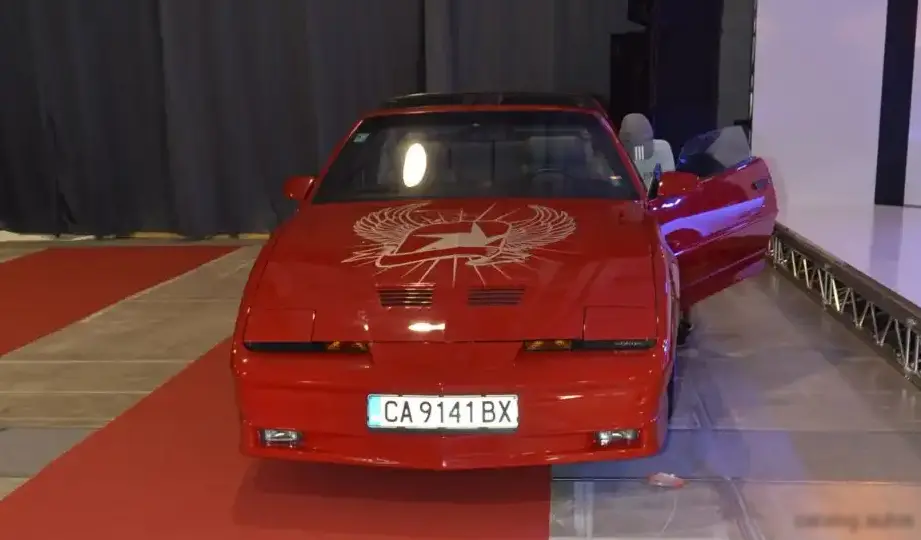
The Pontiac Firebird III 2.5L (90 hp) represents the entry-level configuration of the third-generation Firebird, produced between 1982 and 1986. This variant, built on the F-body platform shared with the Chevrolet Camaro, aimed to provide affordable sporty transportation during a period of fluctuating fuel prices and evolving automotive tastes. It served as the gateway into the Firebird lineup, offering a more accessible price point compared to the higher-performance models like the Firebird Trans Am. The 2.5L engine, while not known for blistering speed, provided adequate power for everyday driving and positioned the Firebird as a viable competitor in the American pony car segment.
Technical Specifications
| Brand | Pontiac |
| Model | Firebird |
| Generation | Firebird III |
| Engine Type | 2.5L (90 hp) |
| Production Years | 1982-1986 |
| Powertrain Architecture | Internal Combustion Engine |
| Body Type | Coupe |
| Number of Doors | 2 |
| Fuel Type | Petrol (Gasoline) |
| Power Output | 90 hp |
| Engine Aspiration | Naturally Aspirated |
| Engine Oil Capacity | 2.8 liters (2.96 US qt, 2.46 UK qt) |
| Coolant Capacity | 12.6 liters (13.31 US qt, 11.09 UK qt) |
| Fuel Tank Capacity | 53 liters (14 US gal, 11.66 UK gal) |
| Length | 4833 mm (190.28 in) |
| Width | 1838 mm (72.36 in) |
| Height | 1264 mm (49.76 in) |
Powertrain & Engine Architecture
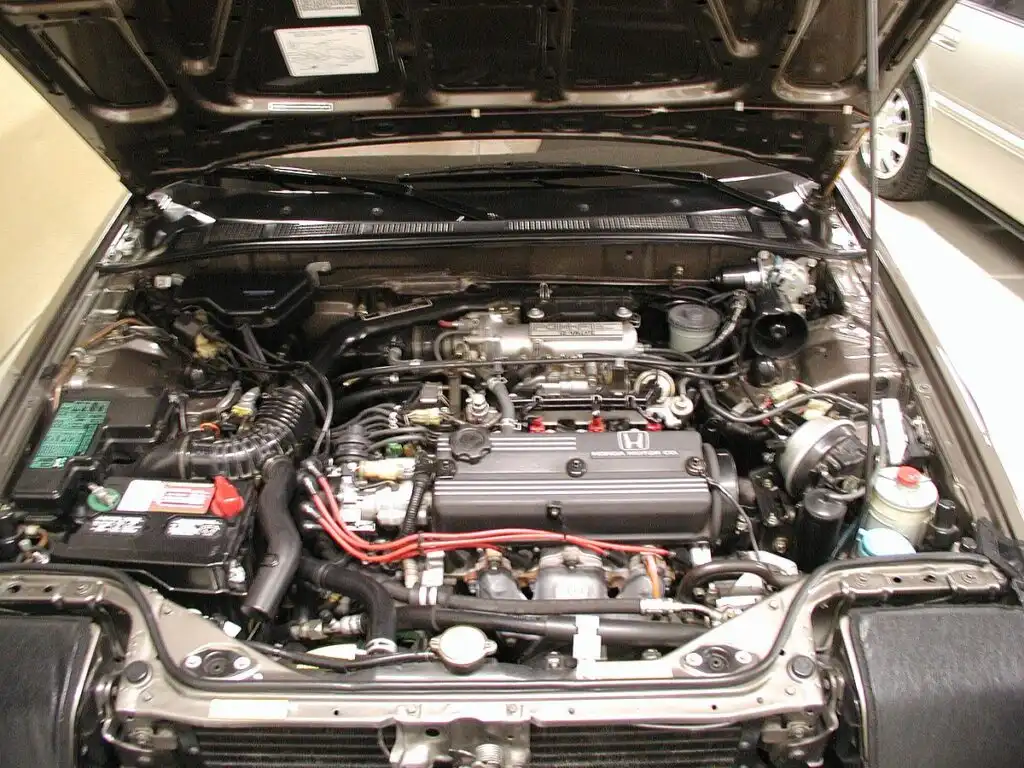
The Firebird III 2.5L was powered by the Pontiac “Iron Duke” 2.5-liter inline-four cylinder engine, designated as the Tech IV. This engine, a mainstay of many GM vehicles during the 1980s, was known for its durability and simplicity, rather than its performance. It featured a cast iron block and cylinder head, with two valves per cylinder operated by a single overhead camshaft. Fuel delivery was handled by a Rochester Quadrajet carburetor, a common setup for the time. While later iterations of the Iron Duke would receive fuel injection, the 1982-1986 Firebird 2.5L retained the carburetor. The engine produced 90 horsepower and approximately 135 lb-ft of torque. The automatic transmission paired with this engine was typically a three-speed Turbo-Hydramatic 300, a reliable but relatively unsophisticated unit. This combination prioritized fuel economy and smooth operation over outright acceleration.
Driving Characteristics
The driving experience in a Firebird III 2.5L automatic was decidedly geared towards comfortable cruising rather than spirited performance. Acceleration was modest, with 0-60 mph times typically exceeding 12 seconds. The three-speed automatic transmission, while smooth, lacked the responsiveness of a manual gearbox or a more modern automatic with additional gears. The gear ratios were optimized for fuel efficiency, resulting in a noticeable delay during kickdown for passing maneuvers. Handling was adequate, benefiting from the F-body’s relatively well-balanced chassis, but the suspension was tuned for comfort rather than aggressive cornering. Compared to the V6 and V8-powered Firebirds, the 2.5L felt significantly underpowered, particularly when fully loaded with passengers or cargo. However, for drivers prioritizing affordability and fuel economy, the 2.5L offered a reasonable entry point into Firebird ownership.
Equipment & Trim Levels
The 2.5L Firebird typically represented the base trim level. Standard features included cloth upholstery, a basic AM/FM radio, and manual windows and locks. Air conditioning was often an optional extra, as were power windows and locks. The interior was functional but lacked the sporty embellishments found in higher-trim models like the Trans Am. The dashboard featured a simple gauge cluster with a speedometer, fuel gauge, and temperature gauge. Optional extras included a tilt steering wheel, cruise control, and upgraded sound systems. The exterior styling was consistent with other third-generation Firebirds, featuring the distinctive pop-up headlights and sleek coupe profile, but lacked the aerodynamic enhancements and distinctive decals of the Trans Am. Wheel options typically consisted of steel wheels with hubcaps.
Chassis & Braking
The Firebird III utilized a unibody construction, providing a good balance of strength and weight. The front suspension consisted of independent MacPherson struts, while the rear suspension employed a solid axle with coil springs. The base 2.5L model typically featured drum brakes on all four wheels, although front disc brakes were often available as an option. Power steering was standard, making maneuvering at low speeds easier. Stabilizer bars were included, but were typically smaller in diameter compared to those found on higher-performance models. The chassis was designed to provide a comfortable ride, prioritizing isolation from road imperfections over razor-sharp handling. The braking system, while adequate for normal driving conditions, lacked the stopping power of the disc brake setups found on the V6 and V8 Firebirds.
Market Reception & Comparison
The Firebird III 2.5L automatic received mixed reviews from automotive critics. While praised for its affordability and fuel economy, it was often criticized for its lack of performance. Compared to the V6-powered Firebird, the 2.5L felt significantly slower and less refined. However, it offered a lower price point, making it accessible to a wider range of buyers. Fuel economy was a key selling point, averaging around 22-25 mpg in combined driving. Reliability was generally good, thanks to the Iron Duke engine’s robust design. In the used car market, the 2.5L Firebird is often considered a budget-friendly option for those seeking a classic American coupe. However, its lower performance and basic features mean it commands a lower price than its more powerful siblings.
Legacy
The 2.5L engine in the Firebird III, while not a performance icon, played a significant role in making the Firebird accessible to a broader audience. The powertrain proved to be reasonably durable, and many examples are still on the road today. While not highly sought after by collectors, the 2.5L Firebird represents a unique chapter in the Firebird’s history, offering a glimpse into a time when affordability and fuel economy were paramount concerns. In the used car market, these models are often found in relatively original condition, making them appealing to enthusiasts looking for a classic American car project. The simplicity of the engine and transmission also makes them relatively easy to maintain and repair, further contributing to their enduring appeal.