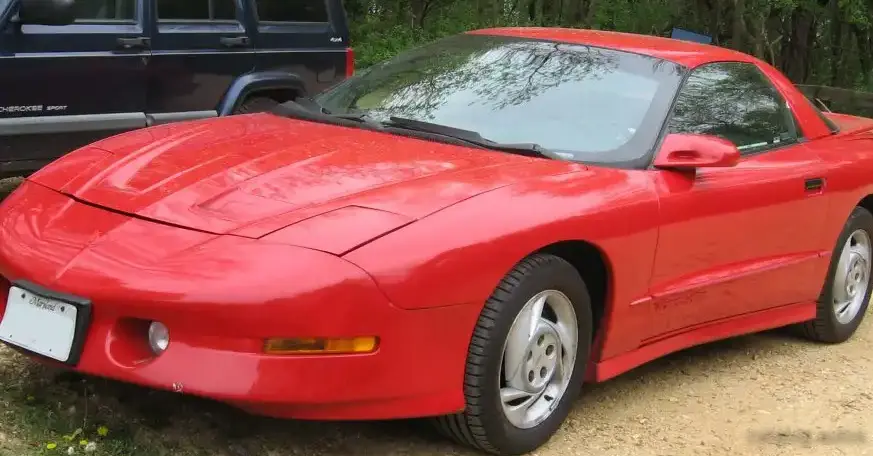
The Pontiac Firebird III, specifically the variant equipped with the 5.0-liter (305 cubic inch) V8 engine producing 165 horsepower, represents a significant iteration of the third-generation Firebird. Produced from 1982 through 1989, this model occupied a crucial position in the Firebird lineup, offering a balance between performance and affordability. It served as the entry-level V8 option, positioned below the more potent High Output (HO) versions, and aimed at buyers seeking the classic American muscle car experience without the higher price tag or more aggressive tuning of its siblings. This generation of Firebird, built on the F-body platform shared with the Chevrolet Camaro, marked a departure from the earlier, more rounded designs, embracing a sleeker, more aerodynamic aesthetic.
Technical Specifications
| Brand | Pontiac |
| Model | Firebird |
| Generation | Firebird III |
| Engine Type | 5.0 V8 (165 Hp) |
| Production Years | 1982 – 1989 |
| Powertrain Architecture | Internal Combustion Engine |
| Body Type | Coupe |
| Number of Doors | 2 |
| Fuel Type | Petrol (Gasoline) |
| Power Output | 165 Hp |
| Engine Aspiration | Naturally Aspirated |
| Engine Oil Capacity | 4.7 l (4.97 US qt | 4.14 UK qt) |
| Coolant Capacity | 16.5 l (17.44 US qt | 14.52 UK qt) |
| Fuel Tank Capacity | 60.5 l (15.98 US gal | 13.31 UK gal) |
| Length | 4833 mm (190.28 in) |
| Width | 1838 mm (72.36 in) |
| Height | 1264 mm (49.76 in) |
Powertrain & Engine Architecture
The heart of this Firebird variant is the 305 cubic inch (5.0 liter) small-block Chevrolet V8 engine. While sharing the basic architecture with other GM V8s of the era, the 165 horsepower version was specifically tuned for torque and fuel efficiency rather than outright power. It featured a two-barrel carburetor, a relatively conservative camshaft profile, and cast iron exhaust manifolds. The engine code is typically associated with the Q-code designation. The cylinder heads were designed for low-end torque, making the engine responsive in everyday driving situations. The automatic transmission paired with this engine was typically a three-speed Turbo-Hydramatic 350, known for its durability and smooth operation. This transmission was geared towards comfortable cruising and wasn’t designed for particularly quick acceleration. The rear axle ratio varied depending on the specific year and package, but generally fell in the range of 2.73:1 to 3.08:1, further emphasizing fuel economy and relaxed highway driving.
Driving Characteristics
The 165 hp Firebird offered a distinctly different driving experience compared to its higher-performance counterparts, such as the LG4 305 HO or the L69 305 TPI. Acceleration was adequate for the time, with 0-60 mph times generally falling in the 8-9 second range, depending on the condition of the vehicle and the specific axle ratio. The three-speed automatic transmission, while reliable, lacked the responsiveness of a manual transmission or a more modern automatic with overdrive. The gear ratios were spaced to prioritize fuel economy, resulting in a noticeable delay during kickdown for passing maneuvers. Handling was typical of F-body cars of the era – competent but not particularly refined. The suspension, while offering a reasonable ride quality, wasn’t designed for aggressive cornering. The car felt planted and stable at highway speeds, but body roll was noticeable during more spirited driving.
Equipment & Trim Levels
The 165 hp Firebird typically came standard with a relatively basic level of equipment. Interior features included cloth upholstery, a standard AM/FM radio, and basic instrumentation. Air conditioning was a popular option. The dashboard layout was functional but lacked the sophistication of some contemporary vehicles. Optional extras included power windows, power locks, cruise control, and upgraded sound systems. The exterior typically featured standard Firebird styling cues, including the distinctive front end and rear spoiler. The base model often had minimal exterior trim, while optional packages could add features like alloy wheels and color-keyed body moldings. The interior color schemes were generally conservative, with options like gray, blue, and black being common.
Chassis & Braking
The Firebird III utilized a unibody construction, providing a relatively lightweight and rigid chassis. The front suspension consisted of independent coil springs, while the rear suspension employed a solid axle with leaf springs. This setup was a cost-effective solution that provided a reasonable balance between ride quality and handling. Braking systems varied depending on the year. Early models (1982-1984) typically featured front disc brakes and rear drum brakes. Later models (1985-1989) often included rear disc brakes as standard equipment, improving stopping performance. Power steering was standard, making the car relatively easy to maneuver at low speeds. Stabilizer bars were included on both the front and rear axles to reduce body roll during cornering, although their effectiveness was limited by the overall suspension design.
Market Reception & Comparison
The 165 hp Firebird was generally well-received as an affordable and stylish entry-level muscle car. Critics acknowledged its decent performance and comfortable ride, but often pointed out its lack of refinement compared to some imports. Compared to the higher-output Firebird models, the 165 hp version offered significantly lower fuel consumption and a lower purchase price. However, it lacked the exhilarating acceleration and sharper handling of its more powerful siblings. Against competitors like the Ford Mustang and Chevrolet Camaro, the Firebird offered a similar value proposition, with each brand appealing to different tastes and preferences. The Firebird’s distinctive styling often gave it an edge in terms of visual appeal.
Legacy
The 165 hp 5.0 V8 Firebird, while not the most sought-after variant, remains a popular choice among enthusiasts seeking a classic American muscle car experience. The 305 V8 engine is known for its reliability and relative ease of maintenance, making it a practical choice for restoration projects. Parts availability is generally good, thanks to the engine’s widespread use in other GM vehicles. In the used car market today, these Firebirds are typically priced lower than the higher-performance models, making them an accessible entry point into the world of classic American cars. While not a collector’s item in the same vein as the Trans Am or the HO versions, the 165 hp Firebird represents a significant piece of automotive history and continues to be enjoyed by enthusiasts across the country.