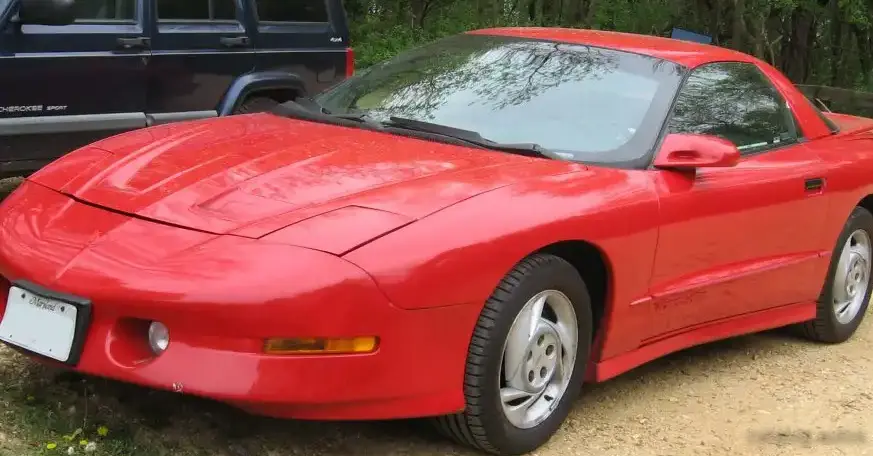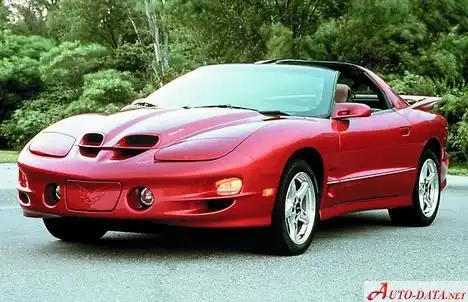
The Pontiac Firebird IV Cabrio 5.7i V8 Trans Am, produced from November 1992 through 2000, represented the fourth generation of the iconic Firebird. This particular variant, a convertible (Cabriolet) equipped with the 5.7-liter LT1 V8 engine producing 275 horsepower, occupied a performance-oriented position within the Firebird lineup. It was positioned as a step up from the base V6 models, offering significantly more power and a more aggressive aesthetic, while remaining below the more specialized and often higher-priced Trans Am coupes. The fourth-generation Firebird, sharing its F-body platform with the Chevrolet Camaro, aimed to modernize the classic muscle car formula with improved handling, aerodynamics, and interior comfort.
Technical Specifications
| Brand | Pontiac |
| Model | Firebird |
| Generation | Firebird IV Cabrio |
| Type (Engine) | 5.7i V8 Trans Am (275 Hp) |
| Start of production | November, 1992 |
| End of production | 2000 |
| Powertrain Architecture | Internal Combustion engine |
| Body type | Cabriolet |
| Seats | 4 |
| Doors | 2 |
| Fuel Type | Petrol (Gasoline) |
| Weight-to-power ratio | 5.8 kg/Hp, 173.6 Hp/tonne |
| Weight-to-torque ratio | 3.6 kg/Nm, 278.4 Nm/tonne |
| Power | 275 Hp @ 5000 rpm |
| Power per litre | 48 Hp/l |
| Torque | 441 Nm @ 2400 rpm, 325.26 lb.-ft. @ 2400 rpm |
| Engine layout | Front, Longitudinal |
| Engine Model/Code | LT1 |
| Engine displacement | 5733 cm3, 349.85 cu. in. |
| Number of cylinders | 8 |
| Engine configuration | V-engine |
| Cylinder Bore | 101.6 mm, 4 in. |
| Piston Stroke | 88.4 mm, 3.48 in. |
| Compression ratio | 10.3:1 |
| Number of valves per cylinder | 2 |
| Fuel injection system | Multi-port manifold injection |
| Engine aspiration | Naturally aspirated engine |
| Engine oil capacity | 4.3 l, 4.54 US qt | 3.78 UK qt |
| Coolant | 14.5 l, 15.32 US qt | 12.76 UK qt |
| Kerb Weight | 1584 kg, 3492.12 lbs |
| Trunk (boot) space – minimum | 365 l, 12.89 cu. ft. |
| Trunk (boot) space – maximum | 954 l, 33.69 cu. ft. |
| Fuel tank capacity | 59 l, 15.59 US gal | 12.98 UK gal |
| Length | 5004 mm, 197.01 in. |
| Width | 1892 mm, 74.49 in. |
| Height | 1321 mm, 52.01 in. |
| Wheelbase | 2566 mm, 101.02 in. |
| Front track | 1542 mm, 60.71 in. |
| Rear (Back) track | 1539 mm, 60.59 in. |
| Drivetrain Architecture | The Internal combustion engine (ICE) drives the rear wheels of the vehicle. |
| Drive wheel | Rear wheel drive |
| Number of gears and type of gearbox | 6 gears, manual transmission |
| Front suspension | Spring Strut |
| Rear suspension | Coil spring |
| Front brakes | Ventilated discs |
| Rear brakes | Drum |
| Assisting systems | ABS (Anti-lock braking system) |
| Steering type | Steering rack and pinion |
| Power steering | Hydraulic Steering |
| Tires size | 245/50 R16 |
Powertrain & Engine Architecture
The heart of the Firebird 5.7i Trans Am was the General Motors LT1 5.7-liter (349.85 cubic inch) small-block V8 engine. This engine, introduced in 1992, represented a significant departure from previous GM V8s, featuring reverse-flow cooling (where coolant flowed through the cylinder heads before the block), a high-flow cylinder head design, and a distributorless ignition system. The LT1 utilized multi-port fuel injection, delivering precise fuel metering for improved efficiency and performance. The engine produced 275 horsepower at 5000 rpm and 325 lb-ft of torque at 2400 rpm. The six-speed manual transmission was standard, providing drivers with full control over the engine’s power. The LT1 was known for its relatively lightweight construction and responsiveness, making it a popular choice for enthusiasts.
Driving Characteristics
The 5.7i Trans Am Cabrio offered a distinctly sporty driving experience. The combination of the 275 hp LT1 engine and the six-speed manual transmission allowed for brisk acceleration and engaging performance. While the convertible body style added some weight compared to the coupe, the car still felt nimble and responsive. The rear-wheel-drive layout contributed to a balanced feel, although traction could be a concern, especially with aggressive acceleration. Compared to the base V6 Firebirds, the 5.7i provided a substantial increase in power and torque, resulting in a much more exhilarating driving experience. The six-speed transmission’s gear ratios were well-suited to the engine’s powerband, allowing for strong acceleration in all gears.
Equipment & Trim Levels
The Trans Am trim level, even in Cabriolet form, came reasonably well-equipped. Standard features typically included air conditioning, power windows and locks, a premium sound system, and sport seats. The interior featured a driver-focused cockpit with analog gauges and a leather-wrapped steering wheel. Optional extras included leather upholstery, a sunroof, and upgraded audio systems. The Trans Am also featured unique exterior styling cues, such as a distinctive front fascia, rear spoiler, and side skirts, setting it apart from the base Firebird models. The convertible top was power-operated and included a glass rear window.
Chassis & Braking
The Firebird IV Cabrio utilized a unibody construction for improved rigidity. The front suspension consisted of a strut-type setup, while the rear suspension employed a coil-spring arrangement. The front brakes were ventilated discs, providing ample stopping power, while the rear brakes were drums. Anti-lock brakes (ABS) were standard, enhancing safety and control. The steering system was a rack-and-pinion setup with hydraulic power assist, offering precise and responsive steering feel. The standard tire size was 245/50R16, providing a good balance of grip and ride comfort.
Market Reception & Comparison
The Firebird 5.7i Trans Am Cabrio was generally well-received by automotive critics. It was praised for its powerful engine, sporty handling, and attractive styling. However, some reviewers noted that the interior quality was not on par with some of its competitors, such as the Ford Mustang. Compared to the V6-powered Firebirds, the 5.7i offered a significant performance upgrade, but it also came with a higher price tag. Fuel economy was reasonable for a V8-powered sports car, but it was still lower than that of the V6 models. Reliability was generally good, although some owners reported minor issues with the cooling system and electrical components.
Legacy
The fourth-generation Firebird, and particularly the 5.7i Trans Am, holds a special place in the hearts of many automotive enthusiasts. The LT1 engine proved to be a durable and reliable powerplant, and many examples are still on the road today. The Firebird IV Cabrio 5.7i Trans Am represents a final chapter in the Firebird’s history, offering a compelling combination of performance, style, and affordability. In the used car market, well-maintained examples of this model are sought after by collectors and enthusiasts, and values have been steadily increasing in recent years. The car’s iconic design and powerful engine continue to make it a desirable classic.