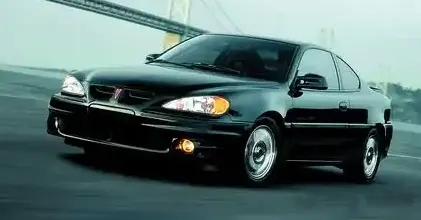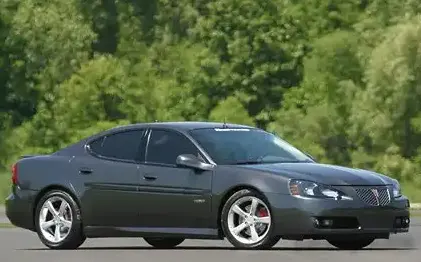
The Pontiac Grand Prix GTP Comp G, produced between 2003 and 2008, represented the performance pinnacle of the ninth-generation Grand Prix (IX). Positioned as the top-tier trim, it offered a significant power upgrade over the base and mid-range models, targeting enthusiasts seeking a sporty sedan experience. Built on the GM W-body platform, the GTP Comp G aimed to deliver a blend of everyday practicality and respectable performance, competing with similar offerings from Dodge and Ford. This variant was exclusively offered with a 3.8-liter V6 engine paired with a four-speed automatic transmission.
Technical Specifications
| Brand | Pontiac |
| Model | Grand Prix |
| Generation | Grand Prix (IX) |
| Type | 3.8 i V6 12V GTP Comp G (263 Hp) |
| Start of production | January, 2003 |
| End of production | April, 2008 |
| Powertrain Architecture | Internal Combustion engine |
| Body type | Sedan |
| Seats | 5 |
| Doors | 4 |
| Fuel consumption (urban) | 13.1 l/100 km (18 US mpg, 21.6 UK mpg, 7.6 km/l) |
| Fuel consumption (extra urban) | 8.4 l/100 km (28 US mpg, 33.6 UK mpg, 11.9 km/l) |
| Fuel Type | Petrol (Gasoline) |
| Acceleration 0 – 100 km/h | 6.5 sec |
| Acceleration 0 – 62 mph | 6.5 sec |
| Acceleration 0 – 60 mph | 6.2 sec |
| Maximum speed | 229 km/h (142.29 mph) |
| Weight-to-power ratio | 6.3 kg/Hp, 158.4 Hp/tonne |
| Weight-to-torque ratio | 4.4 kg/Nm, 228.9 Nm/tonne |
| Power | 263 Hp @ 5200 rpm |
| Power per litre | 69.4 Hp/l |
| Torque | 380 Nm @ 3600 rpm (280.27 lb.-ft. @ 3600 rpm) |
| Engine layout | Front, Transverse |
| Engine Model/Code | L32 |
| Engine displacement | 3791 cm3 (231.34 cu. in.) |
| Number of cylinders | 6 |
| Engine configuration | V-engine |
| Cylinder Bore | 96.5 mm (3.8 in.) |
| Piston Stroke | 86.4 mm (3.4 in.) |
| Compression ratio | 8.5:1 |
| Number of valves per cylinder | 2 |
| Fuel injection system | Multi-port manifold injection |
| Engine aspiration | Naturally aspirated engine |
| Engine oil capacity | 4.3 l (4.54 US qt | 3.78 UK qt) |
| Coolant capacity | 10.6 l (11.2 US qt | 9.33 UK qt) |
| Kerb Weight | 1660 kg (3659.67 lbs.) |
| Trunk (boot) space (minimum) | 454 l (16.03 cu. ft.) |
| Fuel tank capacity | 64 l (16.91 US gal | 14.08 UK gal) |
| Length | 5037 mm (198.31 in.) |
| Width | 1819 mm (71.61 in.) |
| Height | 1420 mm (55.91 in.) |
| Wheelbase | 2807 mm (110.51 in.) |
| Front track | 1565 mm (61.61 in.) |
| Rear track | 1545 mm (60.83 in.) |
| Drivetrain Architecture | Front wheel drive |
| Number of gears | 4 |
| Gearbox type | Automatic transmission |
| Front suspension | Spring Strut |
| Rear suspension | Spring Strut |
| Front brakes | Ventilated discs |
| Rear brakes | Disc |
| Assisting systems | ABS (Anti-lock braking system) |
| Steering type | Steering rack and pinion |
| Tires size | 225/55 R17 |
| Wheel rims size | 5J x 17 |
Powertrain & Engine Architecture
The heart of the Grand Prix GTP Comp G was the 3.8-liter (3791 cc) Series III L32 V6 engine. This engine, a staple of GM’s mid-size and full-size vehicles for decades, featured a 90-degree V-angle and a 12-valve configuration (two valves per cylinder). The L32 utilized multi-port fuel injection and a cast iron block with aluminum cylinder heads. The engine’s 8.5:1 compression ratio was a compromise between performance and reliability, allowing it to run on readily available 87 octane gasoline. The four-speed 4T65E automatic transmission was chosen for its durability and smooth shifting characteristics, although it wasn’t known for being particularly sporty. This transmission featured electronic control and adaptive shift strategies.
Driving Characteristics
The 263 horsepower and 280 lb-ft of torque provided by the L32 engine delivered brisk acceleration. The 0-60 mph time of around 6.2 seconds was competitive for its class in the early 2000s. However, the four-speed automatic transmission limited the engine’s potential, especially compared to the available five-speed manual transmission in other Grand Prix trims. The automatic’s gear ratios were geared more towards cruising comfort than outright performance. While the GTP Comp G offered a noticeable performance increase over the base 3.8L models, it didn’t quite match the responsiveness of the supercharged 3800 Series II found in earlier Grand Prix GTP models. The front-wheel-drive configuration, while common for the segment, could exhibit some torque steer under hard acceleration.
Equipment & Trim Levels
The GTP Comp G came standard with a comprehensive list of features, including leather upholstery, power-adjustable front seats, a premium sound system, and automatic climate control. Exterior features included a unique front fascia, rear spoiler, and 17-inch alloy wheels. Optional extras included a sunroof, upgraded sound system with a trunk-mounted CD changer, and remote start. The interior typically featured a dark color scheme with metallic accents. The “Comp G” designation added a subtle sport appearance package.
Chassis & Braking
The Grand Prix IX utilized an independent front suspension with coil springs and a multi-link rear suspension. The GTP Comp G benefited from a slightly stiffer suspension tuning compared to the base models, aimed at improving handling. Front brakes were ventilated discs, while rear brakes were solid discs. Anti-lock brakes (ABS) were standard. The steering system was a rack-and-pinion setup providing reasonable feedback. The tire size was 225/55R17, offering a good balance between grip and ride comfort.
Market Reception & Comparison
The Grand Prix GTP Comp G was generally well-received by automotive critics, who praised its strong engine and comfortable ride. However, some reviewers noted that the four-speed automatic transmission felt dated compared to newer transmissions with more gears. Compared to the base Grand Prix models, the GTP Comp G offered a significant performance upgrade, but at a higher price point. Against competitors like the Dodge Intrepid R/T and Ford Taurus SHO, the Grand Prix GTP Comp G offered a competitive blend of performance, features, and value. Fuel economy was reasonable for a V6-powered sedan of its size, averaging around 18 mpg city and 28 mpg highway.
Legacy
The Pontiac Grand Prix GTP Comp G, while not a groundbreaking performance car, remains a popular choice among enthusiasts seeking an affordable and reliable American sedan. The L32 engine is known for its durability and relatively simple maintenance requirements. However, like many GM vehicles of this era, the 4T65E transmission can be prone to issues if not properly maintained. Today, well-maintained examples of the GTP Comp G can be found on the used car market at relatively low prices, making them an attractive option for those looking for a comfortable and capable daily driver with a touch of sporty flair. Parts availability is generally good, thanks to the engine’s widespread use in other GM vehicles.