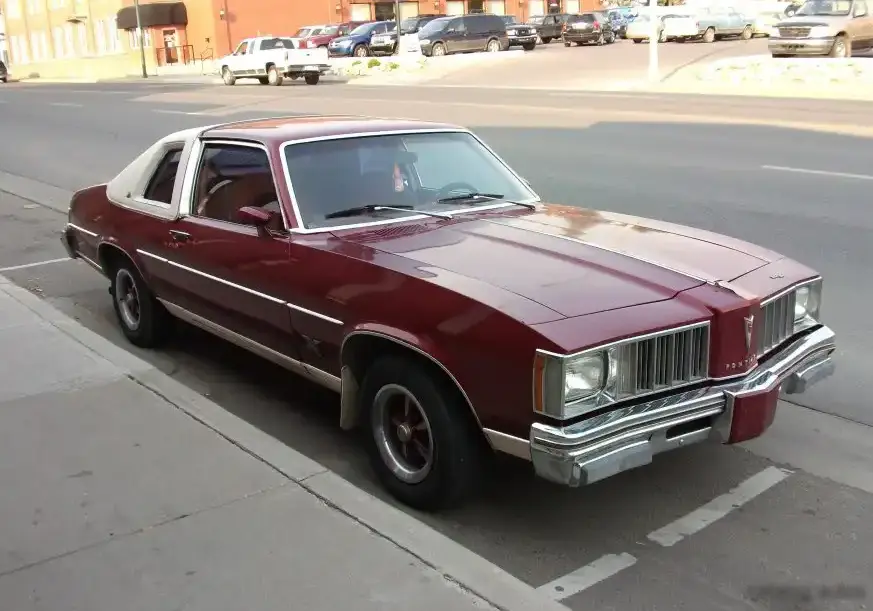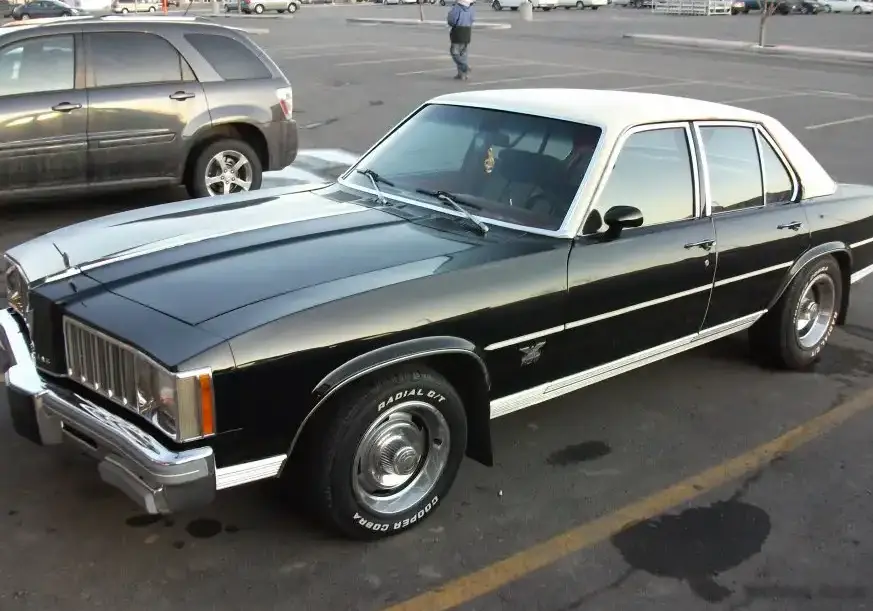
The Pontiac Phoenix 2.8, produced between 1979 and 1981, represented a key component of Pontiac’s compact offerings during a period of significant automotive industry restructuring. Falling within the second generation of the Phoenix, this variant utilized the LE2 2.8-liter V6 engine, delivering 116 horsepower. It was positioned as a more affordable and fuel-conscious option within the Phoenix lineup, appealing to buyers seeking a comfortable and reliable sedan without the performance of larger-engined models. The Phoenix itself was a rebadged version of the Chevrolet Citation, part of GM’s X-body platform, designed to compete with increasingly popular imported compact cars.
Technical Specifications
| Brand | Pontiac |
| Model | Phoenix |
| Generation | Phoenix (Second Generation) |
| Engine Type | 2.8L V6 (LE2) |
| Start of Production | 1979 |
| End of Production | 1981 |
| Fuel Type | Petrol (Gasoline) |
| Power Output | 116 hp |
| Engine Code | LE2 |
| Engine Aspiration | Naturally Aspirated |
| Engine Oil Capacity | 4.3 liters (4.54 US quarts / 3.78 UK quarts) |
| Coolant Capacity | 9.5 liters (10.04 US quarts / 8.36 UK quarts) |
Powertrain & Engine Architecture
The heart of the Pontiac Phoenix 2.8 was the LE2 2.8-liter (173 cubic inch) V6 engine. This engine was a member of GM’s “Even-Fire” V6 family, known for its relatively smooth operation and compact size. The LE2 featured a 60-degree V-angle, two valves per cylinder, and a cast iron block with aluminum cylinder heads. Fuel delivery was managed by a Rochester Quadrajet carburetor, a common setup for the era. While not a high-performance engine, the LE2 was designed for durability and reasonable fuel economy. The engine’s architecture prioritized simplicity and ease of maintenance, reflecting the automotive engineering philosophies of the late 1970s. The Phoenix 2.8 was exclusively paired with a three-speed automatic transmission (TH350), chosen for its ease of use and suitability for the target market. This transmission was a conventional hydraulic automatic, lacking the electronic controls found in later designs.
Driving Characteristics
The 116 horsepower and automatic transmission combination resulted in a driving experience focused on comfort and practicality rather than spirited performance. Acceleration was adequate for everyday driving, but passing maneuvers required planning. The TH350 automatic transmission featured relatively wide gear ratios, prioritizing fuel economy and smooth shifts over aggressive acceleration. The transmission’s shift points were calibrated to provide a comfortable driving experience, even at the expense of optimal performance. Compared to the available four-cylinder engine option in the Phoenix, the 2.8L V6 offered noticeably more power and refinement. However, it lagged behind the performance of larger-engined GM X-body models, such as those equipped with the 3.8-liter V6. The Phoenix 2.8’s handling was typical of compact sedans of the era – competent but not particularly engaging. The suspension was tuned for ride comfort, resulting in a somewhat soft and floaty feel.
Equipment & Trim Levels
The Pontiac Phoenix 2.8 typically came with a standard level of equipment, reflecting its position as a mid-range offering. Standard features generally included cloth upholstery, a basic AM radio, and manual windows and locks. Air conditioning, power steering, and upgraded interior trim were available as optional extras. The Phoenix 2.8’s interior design was functional and straightforward, with a focus on durability rather than luxury. Dashboard layouts were relatively simple, with clearly marked gauges and controls. Exterior trim was modest, with minimal chrome accents. The Phoenix 2.8 was offered in a variety of colors, allowing buyers to personalize their vehicles. Higher trim levels, such as the Phoenix LJ, offered additional features like upgraded upholstery, more comprehensive sound systems, and exterior enhancements.
Chassis & Braking
The Pontiac Phoenix 2.8 utilized a front-wheel-drive chassis, a relatively new configuration for American cars at the time. The suspension consisted of independent MacPherson struts at the front and a semi-independent twist-beam axle at the rear. The braking system featured front disc brakes and rear drum brakes. Power assist was standard. The Phoenix 2.8’s chassis was designed to provide a comfortable ride and adequate handling, but it was not engineered for high-performance driving. The relatively lightweight construction of the X-body platform helped to offset the limitations of the suspension and braking systems. Stabilizer bars were included to reduce body roll during cornering, but their effectiveness was limited by the overall suspension design.
Market Reception & Comparison
The Pontiac Phoenix 2.8 received mixed reviews from automotive critics. While the V6 engine was praised for its smoothness and adequate power, the overall driving experience was considered unremarkable. Critics noted that the Phoenix lacked the refinement and handling of some of its imported competitors. However, the Phoenix 2.8 was generally regarded as a reliable and affordable option, particularly for buyers seeking a comfortable and practical sedan. Compared to the four-cylinder Phoenix models, the 2.8L V6 offered a significant improvement in performance and refinement. However, it came at the cost of slightly reduced fuel economy. The Phoenix 2.8 competed with other compact sedans from American manufacturers, such as the Chevrolet Citation and the Ford Fairmont, as well as imported models like the Honda Accord and the Toyota Corolla.
Legacy
The Pontiac Phoenix 2.8, while not a groundbreaking vehicle, played a significant role in Pontiac’s efforts to compete in the compact car market during the late 1970s and early 1980s. The LE2 2.8-liter V6 engine proved to be a durable and reliable powerplant, and many examples are still on the road today. The Phoenix 2.8’s relatively simple design and readily available parts make it a relatively easy vehicle to maintain and repair. In the used car market, the Phoenix 2.8 is often sought after by enthusiasts looking for a classic American sedan that is both affordable and reliable. However, due to its age, finding well-maintained examples can be challenging. Rust is a common issue, particularly in areas with harsh winters. The Phoenix 2.8 represents a snapshot of American automotive engineering during a period of transition, bridging the gap between the large, gas-guzzling cars of the past and the more fuel-efficient and technologically advanced vehicles of the future.