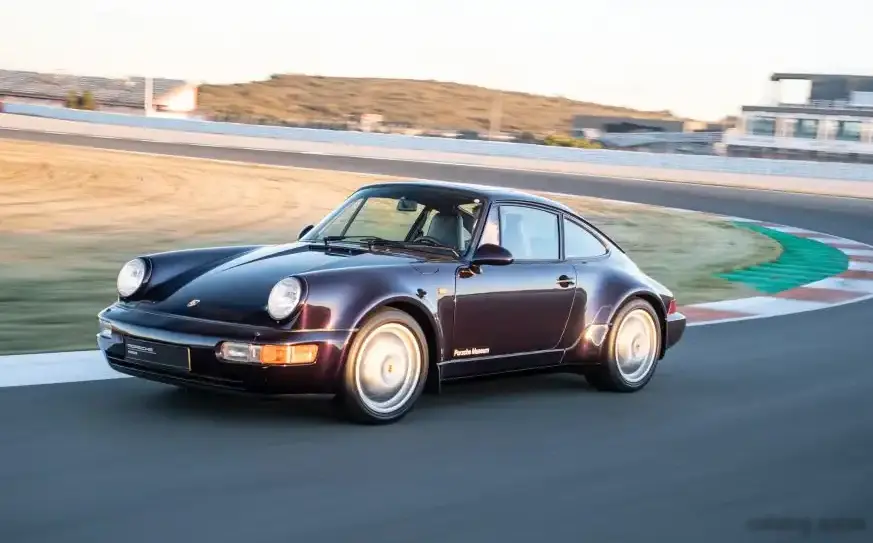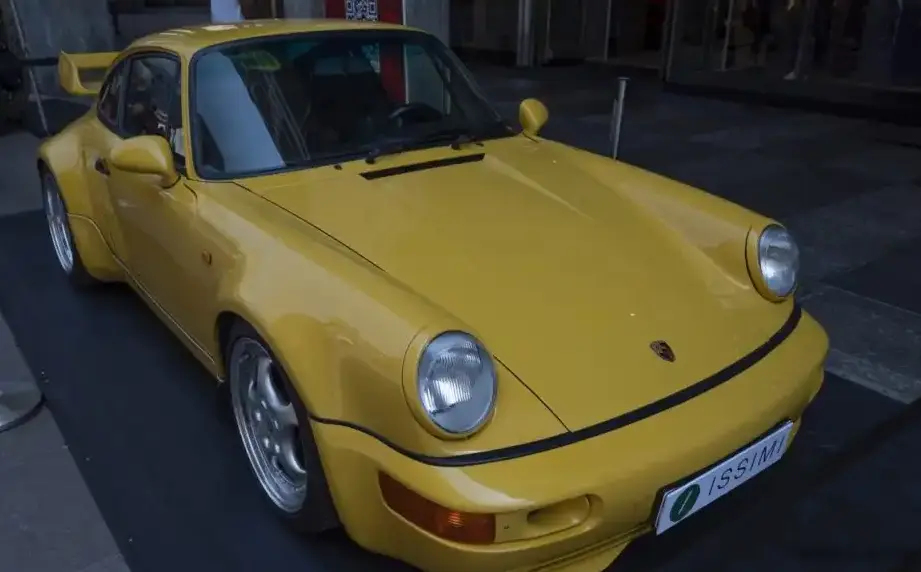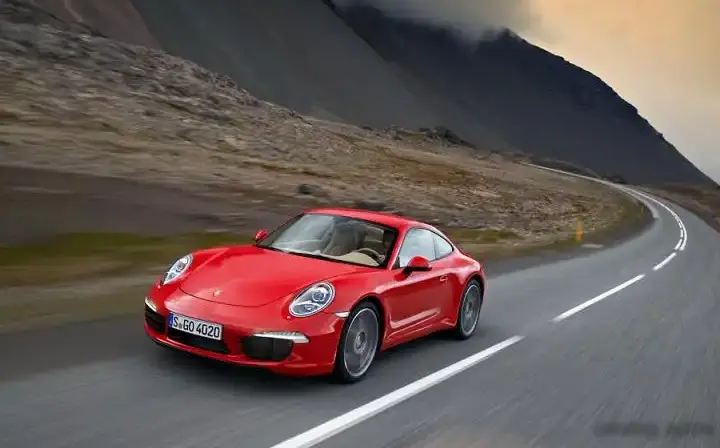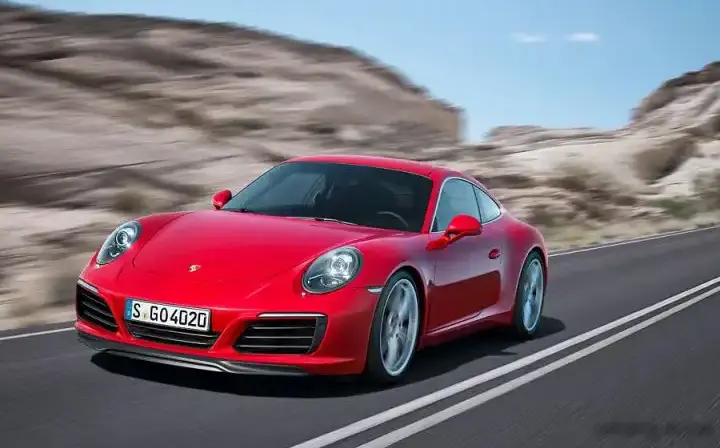
The Porsche 911 Carrera T 3.0, produced for the 2017 and 2018 model years, represents a focused, driver-oriented iteration of the 991.2 generation 911. Positioned as a bridge between the base Carrera and the more performance-focused Carrera S, the “T” model harkens back to the original 1968 911 T, emphasizing lightweight construction and a purist driving experience. It was offered exclusively with a six-speed manual transmission, a deliberate choice by Porsche to appeal to enthusiasts. The Carrera T 3.0 aimed to deliver a more engaging and visceral connection to the road, while still maintaining the everyday usability expected of a 911.
Technical Specifications
| Brand | Porsche |
| Model | 911 |
| Generation | 911 (991 II) |
| Type (Engine) | Carrera T 3.0 (370 Hp) |
| Start of production | 2017 |
| End of production | 2018 |
| Powertrain Architecture | Internal Combustion engine |
| Body type | Coupe |
| Seats | 4 |
| Doors | 2 |
| Fuel consumption (economy) – urban | 13.5 l/100 km (17.4 US mpg, 20.9 UK mpg, 7.4 km/l) |
| Fuel consumption (economy) – extra urban | 7.1 l/100 km (33.1 US mpg, 39.8 UK mpg, 14.1 km/l) |
| Fuel consumption (economy) – combined | 9.5 l/100 km (24.8 US mpg, 29.7 UK mpg, 10.5 km/l) |
| CO2 emissions | 215 g/km |
| Fuel Type | Petrol (Gasoline) |
| Acceleration 0 – 100 km/h | 4.5 sec |
| Acceleration 0 – 62 mph | 4.5 sec |
| Acceleration 0 – 60 mph | 4.3 sec |
| Maximum speed | 293 km/h (182.06 mph) |
| Emission standard | Euro 6 |
| Weight-to-power ratio | 3.9 kg/Hp, 259.6 Hp/tonne |
| Weight-to-torque ratio | 3.2 kg/Nm, 315.8 Nm/tonne |
| Power | 370 Hp @ 6500 rpm |
| Power per litre | 124.1 Hp/l |
| Torque | 450 Nm @ 1700-5000 rpm (331.9 lb.-ft. @ 1700-5000 rpm) |
| Engine layout | Rear, Longitudinal |
| Engine Model/Code | MA2.01, MA2.02 |
| Engine displacement | 2981 cm3 (181.91 cu. in.) |
| Number of cylinders | 6 |
| Engine configuration | Boxer |
| Compression ratio | 10:1 |
| Number of valves per cylinder | 4 |
| Fuel injection system | Direct injection |
| Engine aspiration | BiTurbo, Intercooler |
| Engine oil capacity | 8 l (8.45 US qt | 7.04 UK qt) |
| Coolant | 28.3 l (29.9 US qt | 24.9 UK qt) |
| Kerb Weight | 1425 kg (3141.59 lbs.) |
| Max. weight | 1875 kg (4133.67 lbs.) |
| Max load | 450 kg (992.08 lbs.) |
| Trunk (boot) space – minimum | 145 l (5.12 cu. ft.) |
| Fuel tank capacity | 64 l (16.91 US gal | 14.08 UK gal) |
| Length | 4527 mm (178.23 in.) |
| Width | 1808 mm (71.18 in.) |
| Height | 1285 mm (50.59 in.) |
| Wheelbase | 2450 mm (96.46 in.) |
| Drag coefficient (Cd) | 0.31 |
| Minimum turning circle | 11.2 m (36.75 ft.) |
| Drivetrain Architecture | Rear wheel drive |
| Number of gears and type of gearbox | 7 gears, manual transmission |
| Front brakes | Ventilated discs |
| Rear brakes | Ventilated discs |
| Assisting systems | ABS (Anti-lock braking system) |
| Steering type | Steering rack and pinion |
| Power steering | Electric Steering |
| Tires size | 245/35 R20; 305/30 R20 |
| Wheel rims size | 20 |
Powertrain & Engine Architecture
The Carrera T 3.0 is powered by a 3.0-liter twin-turbocharged flat-six engine, designated as the MA2.01 or MA2.02 depending on minor revisions. This engine is a direct descendant of the powerplant found in the 991.2 Carrera and Carrera S models, but with specific tuning to enhance responsiveness. The engine utilizes direct fuel injection, delivering fuel directly into the combustion chamber for improved efficiency and power. The twin-turbocharger setup employs variable turbine geometry (VTG) to optimize boost pressure across the rev range, minimizing turbo lag and providing a broad torque curve. The engine produces 370 horsepower at 6,500 rpm and 450 Nm (331.9 lb-ft) of torque between 1,700 and 5,000 rpm. Crucially, the Carrera T was *only* offered with a seven-speed manual transmission, a deliberate choice to emphasize driver engagement. This transmission features a shorter final drive ratio compared to other 991.2 Carrera models, further enhancing acceleration.
Driving Characteristics
The Carrera T 3.0 delivers a noticeably more engaging driving experience than the standard Carrera. The shorter gearing of the manual transmission, combined with the engine’s responsive turbocharging, results in brisk acceleration. The 0-60 mph sprint takes approximately 4.3 seconds, and the car reaches a top speed of 182 mph. The manual transmission requires more driver involvement, demanding precise shifts to extract the most performance. Compared to the Carrera S, the T offers slightly less outright power, but the lighter weight and more direct connection to the drivetrain contribute to a feeling of agility and control. The standard Porsche Active Suspension Management (PASM) lowers the ride height by 20mm, further improving handling and reducing body roll. The exhaust note is also slightly more aggressive than the standard Carrera, adding to the overall sporting character.
Equipment & Trim Levels
The Carrera T 3.0 was relatively sparsely equipped compared to other 911 variants, reflecting its focus on driving purity. Standard features included a fabric center console delete, lightweight door pulls, and sport seats. The interior trim was generally minimalist, with an emphasis on functionality. Optional extras included Porsche Communication Management (PCM) with navigation, a Bose sound system, and various interior customization options. The exterior featured unique “T” badging, a front fascia with larger air intakes, and a rear spoiler with a distinctive grille pattern. Full leather interiors and other luxury appointments were available as options, but were less common on Carrera T models.
Chassis & Braking
The Carrera T 3.0 benefits from the 991.2 generation’s sophisticated chassis. It utilizes a fully independent suspension system with PASM as standard. The rear suspension features a mechanical rear differential lock, enhancing traction during cornering. Braking duties are handled by ventilated discs on all four wheels. The braking system is highly effective, providing ample stopping power and consistent performance. The standard tires are 245/35 R20 at the front and 305/30 R20 at the rear, providing excellent grip in both dry and wet conditions.
Market Reception & Comparison
The Carrera T 3.0 was well-received by automotive critics, who praised its engaging driving dynamics and purist character. It was seen as a welcome return to the spirit of the original 911 T models. Compared to the base Carrera, the T offered a more focused and rewarding driving experience. Compared to the Carrera S, it provided a similar level of performance with a greater emphasis on driver involvement. Fuel economy was respectable for a sports car, averaging around 24.8 US mpg in combined driving. Reliability has generally been good, consistent with the overall reputation of the 991.2 generation 911.
Legacy
The Carrera T 3.0 has become a sought-after model among Porsche enthusiasts. Its limited production run and focus on driving purity have contributed to its collectibility. The MA2.01/MA2.02 engine is known for its robustness and relatively straightforward maintenance. On the used car market, Carrera T models typically command a premium over standard Carrera models, reflecting their unique appeal and limited availability. The success of the 991.2 Carrera T paved the way for subsequent “T” models in the 911 lineup, continuing Porsche’s tradition of offering focused, driver-oriented variants.