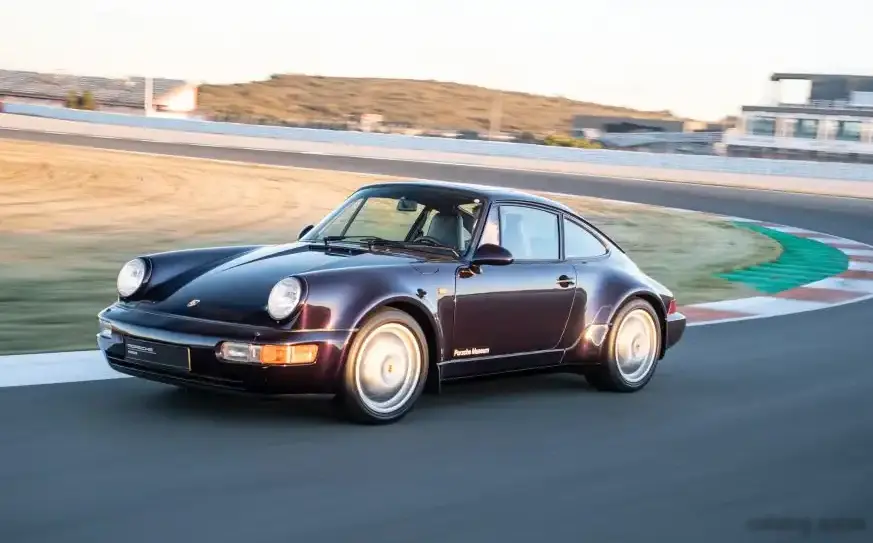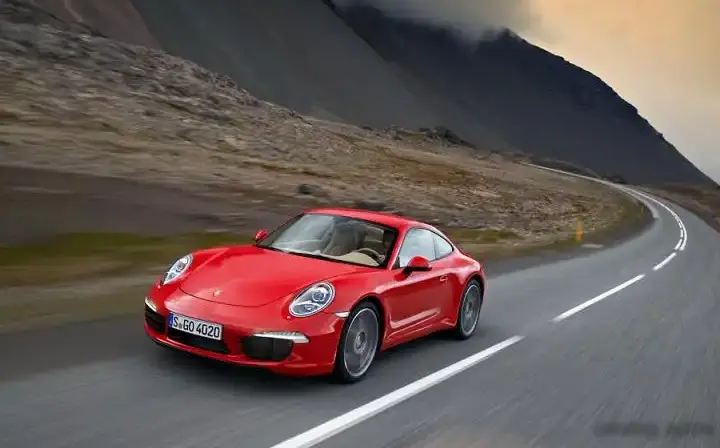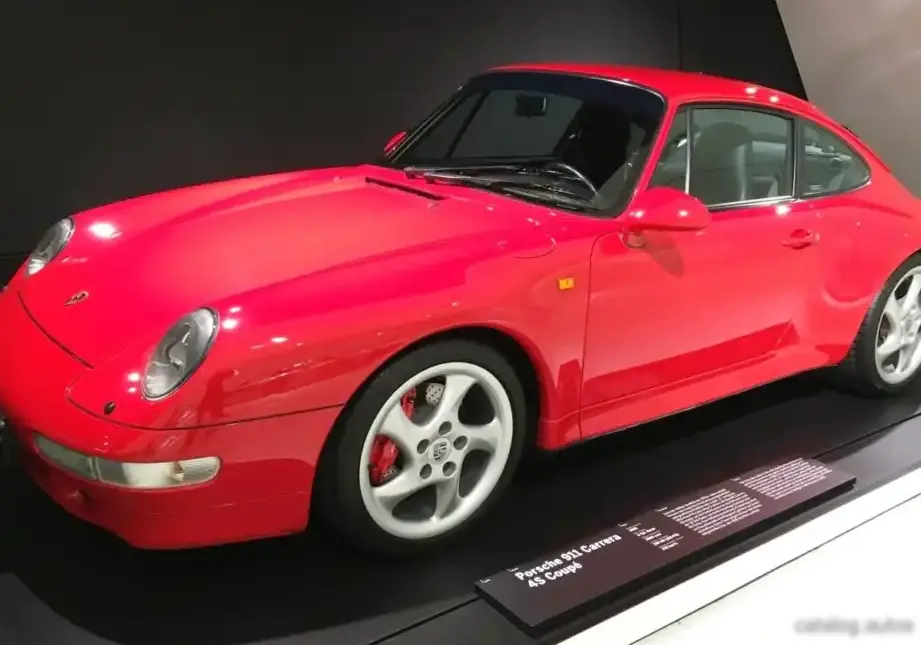
The Porsche 911 (993) Carrera 4S 3.6, produced from 1995 to 1997, represents the final iteration of the air-cooled 911 before Porsche transitioned to water-cooled engines. Positioned as a high-performance variant within the 993 generation, the Carrera 4S offered all-wheel drive and a larger 3.6-liter engine, distinguishing itself from the base Carrera models. It served as a bridge between the classic 911 ethos and the more modern designs that would follow, and remains a highly sought-after vehicle among collectors and enthusiasts. The 993 platform itself was a significant evolution, introducing multi-link rear suspension for improved handling and ride comfort, addressing criticisms leveled at previous generations.
Technical Specifications
| Brand | Porsche |
| Model | 911 |
| Generation | 911 (993) |
| Type (Engine) | Carrera 4S 3.6 (285 Hp) |
| Start of production | 1995 |
| End of production | 1997 |
| Powertrain Architecture | Internal Combustion engine |
| Body type | Coupe |
| Seats | 4 |
| Doors | 2 |
| Fuel consumption (urban) | 18.4 l/100 km (12.8 US mpg, 15.4 UK mpg, 5.4 km/l) |
| Fuel consumption (extra urban) | 9.5 l/100 km (24.8 US mpg, 29.7 UK mpg, 10.5 km/l) |
| Fuel consumption (combined) | 12.8 l/100 km (18.4 US mpg, 22.1 UK mpg, 7.8 km/l) |
| CO2 emissions | 298 g/km |
| Fuel Type | Petrol (Gasoline) |
| Acceleration 0 – 100 km/h | 5.3 sec |
| Acceleration 0 – 62 mph | 5.3 sec |
| Acceleration 0 – 60 mph | 5 sec |
| Maximum speed | 270 km/h (167.77 mph) |
| Weight-to-power ratio | 5.1 kg/Hp, 196.6 Hp/tonne |
| Weight-to-torque ratio | 4.3 kg/Nm, 234.5 Nm/tonne |
| Power | 285 Hp @ 6100 rpm |
| Power per litre | 79.2 Hp/l |
| Torque | 340 Nm @ 5250 rpm (250.77 lb.-ft. @ 5250 rpm) |
| Engine layout | Rear, Longitudinal |
| Engine Model/Code | M64.21 |
| Engine displacement | 3600 cm3 (219.69 cu. in.) |
| Number of cylinders | 6 |
| Engine configuration | Boxer |
| Cylinder Bore | 100 mm (3.94 in.) |
| Piston Stroke | 76.4 mm (3.01 in.) |
| Compression ratio | 11.3:1 |
| Number of valves per cylinder | 2 |
| Fuel injection system | Multi-port manifold injection |
| Engine aspiration | Naturally aspirated engine |
| Valvetrain | SOHC |
| Engine oil capacity | 9 l (9.51 US qt | 7.92 UK qt) |
| Kerb Weight | 1450 kg (3196.7 lbs.) |
| Trunk (boot) space – maximum | 123 l (4.34 cu. ft.) |
| Length | 4245 mm (167.13 in.) |
| Width | 1795 mm (70.67 in.) |
| Height | 1285 mm (50.59 in.) |
| Wheelbase | 2272 mm (89.45 in.) |
| Drive wheel | All wheel drive (4×4) |
| Number of gears and type of gearbox | 6 gears, manual transmission |
| Front suspension | Independent type McPherson |
| Rear suspension | Independent multi-link suspension |
| Front brakes | Ventilated discs |
| Rear brakes | Ventilated discs |
| Assisting systems | ABS (Anti-lock braking system) |
| Steering type | Steering rack and pinion |
| Power steering | Hydraulic Steering |
| Tires size | 225/40 R18; 285/30 R18 |
| Wheel rims size | 8J x 18; 10J x 18 |
Powertrain & Engine Architecture
The heart of the 993 Carrera 4S is the M64.21 engine, a 3.6-liter naturally aspirated flat-six. This engine represents a significant refinement of the air-cooled 911 powerplant. It features a bore of 100mm and a stroke of 76.4mm, resulting in a displacement of 3600cc. The engine utilizes a multi-port fuel injection system, delivering fuel directly into the intake ports, and a single overhead camshaft (SOHC) design operates two valves per cylinder. The boxer configuration, with horizontally opposed cylinders, contributes to a low center of gravity, enhancing handling. The 993 Carrera 4S exclusively came with a six-speed manual transmission, providing precise gear changes and contributing to the engaging driving experience. The all-wheel-drive system employs a viscous coupling to distribute power between the front and rear axles, enhancing traction and stability, particularly in adverse conditions.
Driving Characteristics
The 993 Carrera 4S delivers a distinctly analog driving experience. The 285 horsepower engine, while not overwhelming by modern standards, provides ample power for spirited driving. Torque of 340 Nm (250.77 lb-ft) is readily available, making the car responsive in a variety of situations. The six-speed manual transmission allows for precise control over the engine’s powerband. The all-wheel-drive system provides excellent grip, inspiring confidence in corners. Compared to the base Carrera models, the Carrera 4S offers noticeably improved traction and stability, particularly on wet or slippery surfaces. However, some purists argue that the all-wheel-drive system slightly diminishes the classic 911’s rear-wheel-drive character. The 0-60 mph time of around 5 seconds is still respectable today, and the car feels significantly faster due to its lightweight construction and responsive engine.
Equipment & Trim Levels
The Carrera 4S was generally well-equipped, reflecting its position as a premium variant. Standard features included power windows, power steering, air conditioning, and a high-quality audio system. Interior upholstery typically consisted of leather seats, and the dashboard featured a combination of analog gauges and a central information display. Optional extras were plentiful, including a sunroof, upgraded audio systems, sport seats, and various exterior color options. The Carrera 4S also featured wider rear fenders compared to the standard Carrera, accommodating the larger tires and giving the car a more aggressive stance.
Chassis & Braking
The 993 generation marked a significant advancement in 911 chassis technology. The introduction of multi-link rear suspension dramatically improved ride quality and handling compared to previous torsion bar setups. The front suspension utilizes McPherson struts. The Carrera 4S is equipped with ventilated disc brakes on all four wheels, providing ample stopping power. An Anti-lock Braking System (ABS) is standard. The steering is a rack and pinion system with hydraulic power assistance, offering precise and responsive steering feel. The wider track and larger tires contribute to increased stability and grip.
Market Reception & Comparison
The 993 Carrera 4S was widely praised by automotive critics for its performance, handling, and refinement. It was seen as a fitting send-off to the air-cooled era of the 911. Compared to the base Carrera, the 4S offered superior traction and stability, making it a more capable all-weather performer. Compared to the more powerful 993 Turbo, the Carrera 4S provided a more accessible and user-friendly driving experience. Fuel economy, while not a primary concern for 911 buyers, was reasonable for a high-performance sports car of its era. Reliability has generally been good, although maintenance costs can be significant due to the car’s age and complexity.
Legacy
The Porsche 993 Carrera 4S has become a highly collectible and sought-after vehicle. Its combination of classic 911 styling, improved technology, and engaging driving experience has cemented its place in automotive history. The M64.21 engine is known for its durability, although regular maintenance is essential to keep it running smoothly. Today, well-maintained examples command high prices in the used car market, reflecting their rarity and desirability. The 993 Carrera 4S represents a pivotal moment in the evolution of the Porsche 911, bridging the gap between the past and the future.