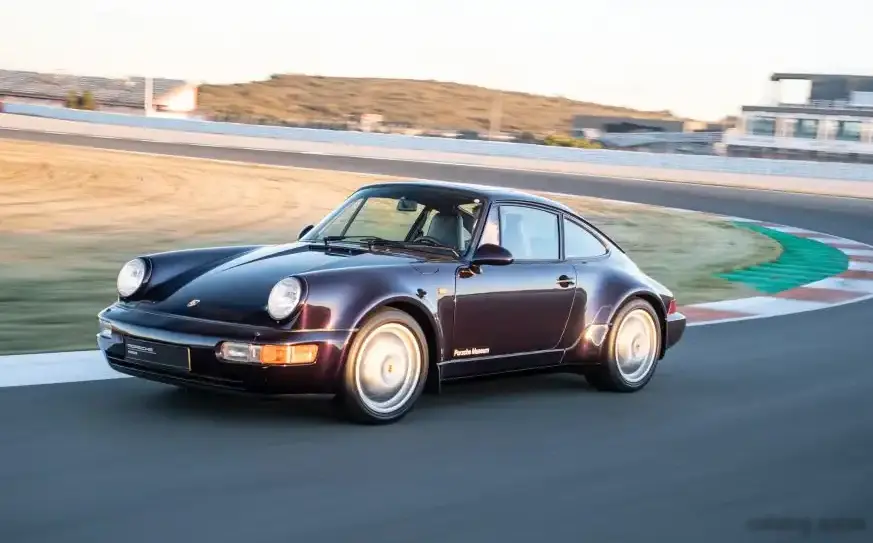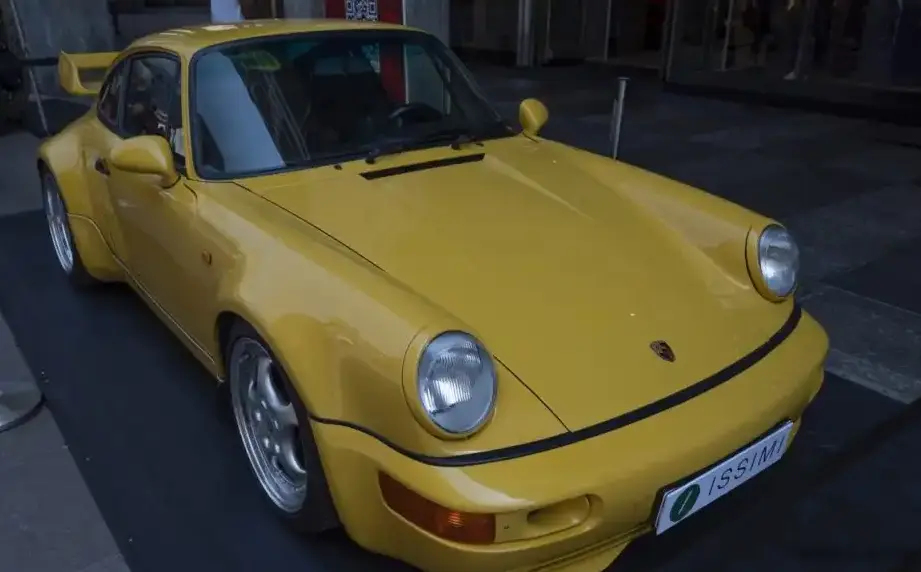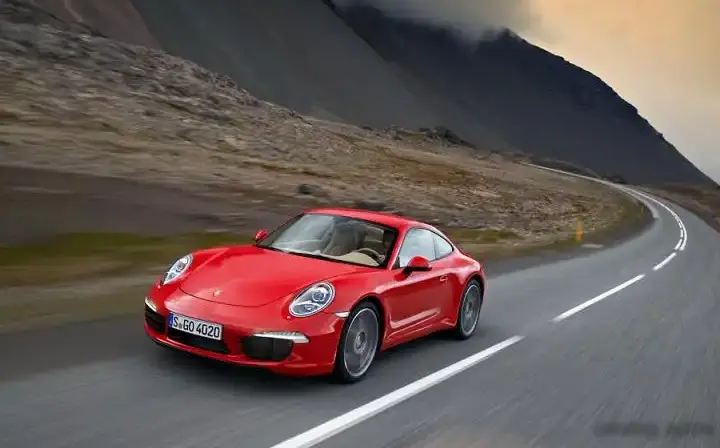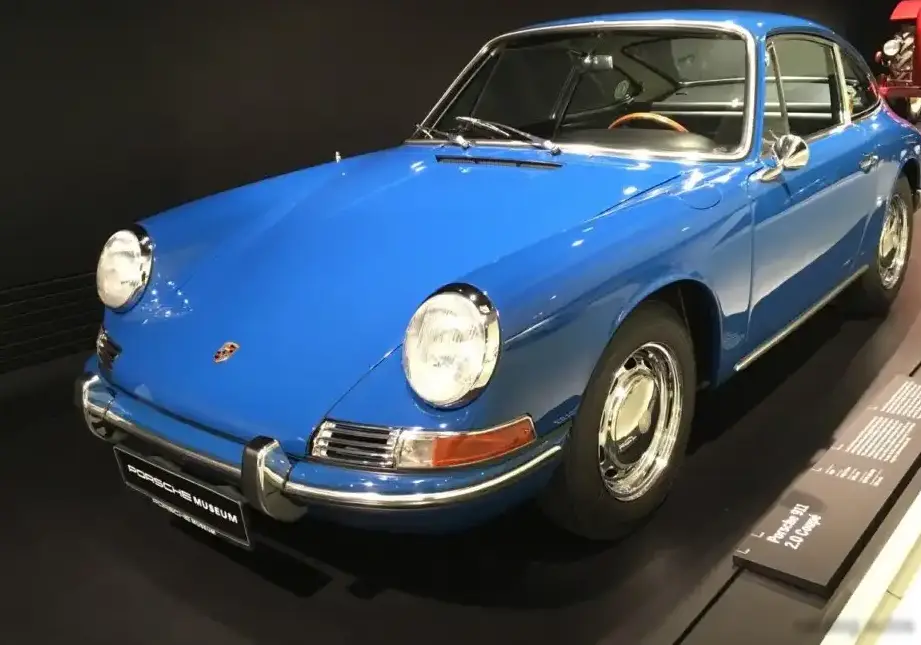
The Porsche 911 Coupe (F) 2.0 S, produced between 1967 and 1969, represents a pivotal iteration in the lineage of Porsche’s iconic sports car. Falling within the early “F” series of the original 911 (internal designation 901, later changed to 911), the 2.0 S was positioned as the performance-oriented variant of the 2.0-liter engine family. It served as a stepping stone between the base 911 and the more potent, later 911 S models, offering a compelling blend of usability and exhilarating driving dynamics. This model played a crucial role in establishing the 911’s reputation for engineering excellence and its enduring appeal to sports car enthusiasts.
Technical Specifications
| Brand | Porsche |
| Model | 911 |
| Generation | 911 Coupe (F) |
| Type (Engine) | 2.0 S (160 Hp) |
| Start of production | 1967 |
| End of production | 1969 |
| Powertrain Architecture | Internal Combustion engine |
| Body type | Coupe |
| Seats | 4 |
| Doors | 2 |
| Fuel Type | Petrol (Gasoline) |
| Weight-to-power ratio | 6.7 kg/Hp, 148.8 Hp/tonne |
| Weight-to-torque ratio | 6 kg/Nm, 166.5 Nm/tonne |
| Power | 160 Hp @ 6600 rpm |
| Power per litre | 80.4 Hp/l |
| Torque | 179 Nm @ 5200 rpm, 132.02 lb.-ft. @ 5200 rpm |
| Engine layout | Rear, Longitudinal |
| Engine Model/Code | 901.02 |
| Engine displacement | 1991 cm3, 121.5 cu. in. |
| Number of cylinders | 6 |
| Engine configuration | Boxer |
| Cylinder Bore | 80 mm, 3.15 in. |
| Piston Stroke | 66 mm, 2.6 in. |
| Engine aspiration | Naturally aspirated engine |
| Valvetrain | SOHC |
| Kerb Weight | 1075 kg, 2369.97 lbs. |
| Max. weight | 1400 kg, 3086.47 lbs. |
| Max load | 325 kg, 716.5 lbs. |
| Length | 4163 mm, 163.9 in. |
| Width | 1610 mm, 63.39 in. |
| Height | 1320 mm, 51.97 in. |
| Wheelbase | 2211 mm, 87.05 in. |
| Front track | 1337 mm, 52.64 in. |
| Rear (Back) track | 1317 mm, 51.85 in. |
| Rear overhang | 1060 mm, 41.73 in. |
| Minimum turning circle (turning diameter) | 10.30 m, 33.79 ft. |
| Drivetrain Architecture | The Internal combustion engine (ICE) drives the rear wheels of the vehicle. |
| Drive wheel | Rear wheel drive |
| Number of gears and type of gearbox | 5 gears, manual transmission |
| Front suspension | Spring Strut, Wishbone |
| Rear suspension | Trailing arm |
| Front brakes | Disc |
| Rear brakes | Disc |
| Steering type | Steering rack and pinion |
Powertrain & Engine Architecture
The heart of the 911 2.0 S is its 1,991 cc air-cooled, flat-six “boxer” engine, designated as the 901.02. This engine builds upon the foundation of the original 911’s powerplant, but with significant enhancements to increase performance. Key upgrades included a higher compression ratio (9.8:1 compared to the standard 2.0L’s 9.0:1), larger intake ports, and a revised camshaft profile. These modifications allowed the engine to produce 160 horsepower at 6,600 rpm and 179 Nm (132.02 lb-ft) of torque at 5,200 rpm. The engine featured a single overhead camshaft (SOHC) design, operating two valves per cylinder. Fuel delivery was managed by three twin-choke Weber 40 IDA-3 carburetors, providing precise fuel metering for optimal performance. The engine’s longitudinal rear-mounted layout contributed to the 911’s distinctive handling characteristics. The 2.0 S was exclusively offered with a five-speed manual transmission, providing drivers with full control over the engine’s powerband.
Driving Characteristics
The 911 2.0 S offered a noticeably more engaging driving experience compared to the standard 911. The increased horsepower and torque, combined with the close-ratio five-speed gearbox, resulted in quicker acceleration and improved responsiveness. While not a track-focused machine like later 911 variants, the 2.0 S provided ample power for spirited driving on both winding roads and open highways. The rear-engine layout and relatively lightweight construction (approximately 1,075 kg or 2,369 lbs) contributed to the car’s unique handling balance. Drivers needed to be mindful of the rear-weight bias, but the 2.0 S rewarded skilled drivers with a rewarding and connected feel. The car’s steering was precise and communicative, providing excellent feedback from the road. Compared to the later 911 S models, the 2.0 S offered a more raw and visceral driving experience, lacking some of the refinement of its successors.
Equipment & Trim Levels
The 911 2.0 S was relatively sparsely equipped by modern standards, reflecting the car’s focus on performance. Standard features included comfortable bucket seats, a leather-wrapped steering wheel, and a basic instrument cluster. Interior trim was typically executed in black leatherette or cloth. Optional extras included upgraded leather upholstery, a Webasto heater, and a Blaupunkt radio. The exterior was typically finished in a range of solid colors, with optional metallic paints available at an extra cost. The 2.0 S did not offer the extensive list of luxury features found on some contemporary grand tourers; its appeal lay in its driving dynamics and minimalist design.
Chassis & Braking
The 911 2.0 S utilized a robust chassis construction, featuring a monocoque steel body with a separate floorpan. Suspension consisted of independent front suspension with torsion bars and trailing arms at the rear, also utilizing torsion bars. This setup provided a good balance of ride comfort and handling precision. Braking duties were handled by disc brakes on all four wheels, offering adequate stopping power for the car’s performance capabilities. Steering was via a rack and pinion system, providing precise and responsive control. The car’s relatively lightweight construction contributed to its agility and handling prowess.
Market Reception & Comparison
The 911 2.0 S was well-received by automotive journalists and enthusiasts alike. It was praised for its exhilarating performance, engaging handling, and distinctive design. Critics noted that the 2.0 S offered a significant step up in performance compared to the standard 911, while remaining relatively affordable. Compared to the later 911 S models, the 2.0 S was often seen as a more approachable and user-friendly option. It offered a compelling alternative to other sports cars of the era, such as the Jaguar E-Type and the Chevrolet Corvette. Fuel economy, while not a primary concern for sports car buyers, was reasonable for the time, averaging around 18-22 mpg.
Legacy
The Porsche 911 2.0 S holds a significant place in the history of the 911 model line. It represents an important step in the evolution of Porsche’s iconic sports car, demonstrating the company’s commitment to performance and engineering excellence. Today, the 2.0 S is a highly sought-after collectible, commanding premium prices in the used car market. Its relative rarity and historical significance contribute to its desirability. The engine, while requiring regular maintenance, is generally considered to be robust and reliable when properly cared for. The 911 2.0 S remains a testament to Porsche’s enduring legacy of building exceptional sports cars.