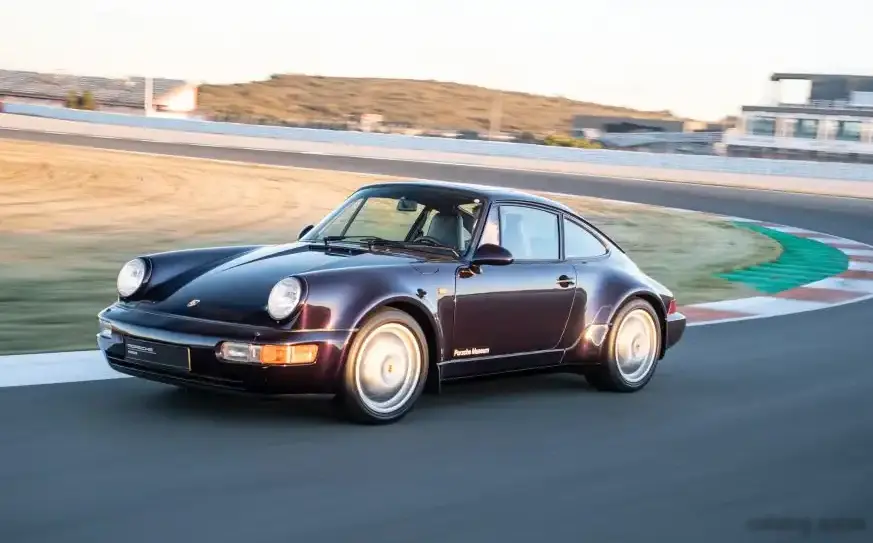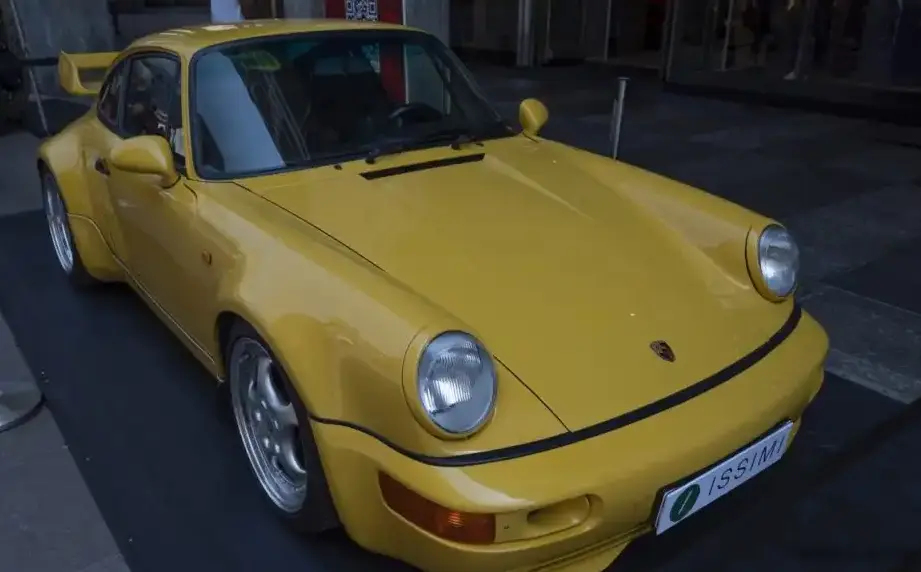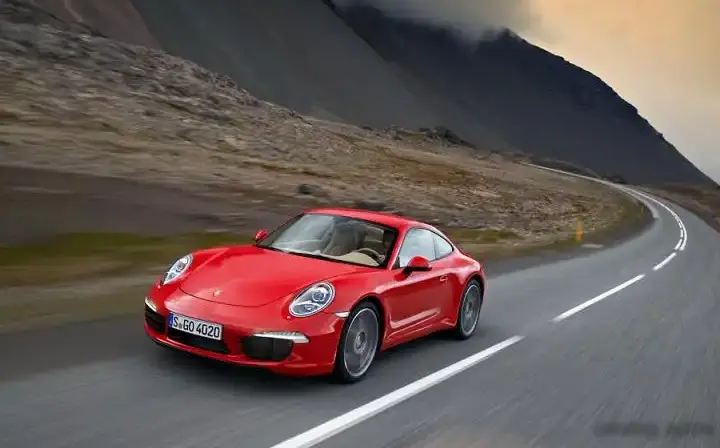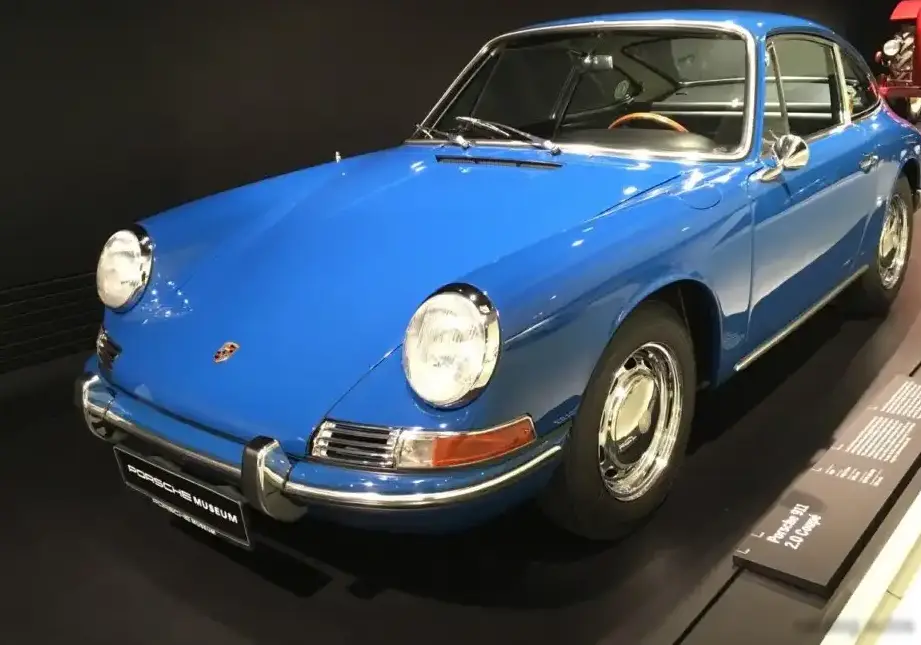
The Porsche 911 Coupe (F) 2.3 T, produced between 1972 and 1973, represents a pivotal point in the evolution of Porsche’s iconic sports car. Falling within the early “F-series” of the 911 (chassis codes 911.51), this variant offered a blend of performance and relative affordability within the 911 range. It served as a transitional model, bridging the gap between the earlier, more spartan 911s and the later, more refined G-series. The 2.3 T designation indicates the engine displacement and the ‘Touring’ specification, signifying a focus on road usability rather than outright racing performance. This model was primarily sold in Europe and North America, establishing the 911 as a desirable sports car in both markets.
Technical Specifications
| Brand | Porsche |
| Model | 911 |
| Generation | 911 Coupe (F) |
| Type (Engine) | 2.3 T (140 Hp) |
| Start of production | 1972 |
| End of production | 1973 |
| Powertrain Architecture | Internal Combustion engine |
| Body type | Coupe |
| Seats | 4 |
| Doors | 2 |
| Fuel consumption (combined) | 9.0 l/100 km (26.1 US mpg, 31.4 UK mpg, 11.1 km/l) |
| Fuel Type | Petrol (Gasoline) |
| Weight-to-power ratio | 7.6 kg/Hp, 132 Hp/tonne |
| Weight-to-torque ratio | 5.4 kg/Nm, 184.7 Nm/tonne |
| Power | 140 Hp @ 5600 rpm |
| Power per litre | 59.8 Hp/l |
| Torque | 196 Nm @ 4000 rpm (144.56 lb.-ft. @ 4000 rpm) |
| Maximum engine speed | 6500 rpm |
| Engine layout | Rear, Longitudinal |
| Engine Model/Code | 911.51 |
| Engine displacement | 2341 cm3 (142.86 cu. in.) |
| Number of cylinders | 6 |
| Engine configuration | Boxer |
| Cylinder Bore | 84 mm (3.31 in.) |
| Piston Stroke | 70.4 mm (2.77 in.) |
| Compression ratio | 7.5:1 |
| Number of valves per cylinder | 2 |
| Fuel injection system | Multi-port manifold injection |
| Engine aspiration | Naturally aspirated engine |
| Valvetrain | SOHC |
| Engine oil capacity | 8 l (8.45 US qt | 7.04 UK qt) |
| Kerb Weight | 1061 kg (2339.1 lbs.) |
| Max. weight | 1400 kg (3086.47 lbs.) |
| Max load | 339 kg (747.37 lbs.) |
| Fuel tank capacity | 62 l (16.38 US gal | 13.64 UK gal) |
| Permitted trailer load with brakes (12%) | 600 kg (1322.77 lbs.) |
| Permitted trailer load without brakes | 480 kg (1058.22 lbs.) |
| Length | 4163 mm (163.9 in.) |
| Width | 1610 mm (63.39 in.) |
| Height | 1320 mm (51.97 in.) |
| Wheelbase | 2271 mm (89.41 in.) |
| Front track | 1360 mm (53.54 in.) |
| Rear (Back) track | 1342 mm (52.83 in.) |
| Ride height (ground clearance) | 150 mm (5.91 in.) |
| Minimum turning circle (turning diameter) | 10.7 m (35.1 ft.) |
| Drivetrain Architecture | The Internal combustion engine (ICE) drives the rear wheels of the vehicle. |
| Drive wheel | Rear wheel drive |
| Number of gears and type of gearbox | 5 gears, manual transmission |
| Front suspension | Spring Strut, Wishbone |
| Rear suspension | Trailing arm |
| Front brakes | Ventilated discs, 235 mm |
| Rear brakes | Ventilated discs, 244 mm |
| Steering type | Steering rack and pinion |
| Wheel rims size | 5.5J x 15 |
Powertrain & Engine Architecture
The heart of the 911 Coupe (F) 2.3 T is the 911.51 engine, a 2341 cc air-cooled, naturally aspirated flat-six (boxer) engine. This engine utilized a 7.5:1 compression ratio and featured Bosch mechanical multi-port fuel injection, a significant upgrade over earlier carbureted 911s. The single overhead camshaft (SOHC) design operated two valves per cylinder. The engine’s layout, with cylinders horizontally opposed, contributed to a low center of gravity, enhancing handling. The 2.3-liter engine produced 140 horsepower at 5600 rpm and 196 Nm (144.56 lb-ft) of torque at 4000 rpm. This power was delivered to the rear wheels through a robust five-speed manual transmission, the standard offering for this model. The transmission featured a relatively long gearing, prioritizing fuel economy and comfortable cruising over outright acceleration.
Driving Characteristics
The 911 2.3 T, with its 140 hp and manual transmission, offered a distinctly different driving experience compared to the more powerful 911 S or the later 911 Carrera RS. Acceleration was respectable for the era, but not blistering. The focus was on a smooth, predictable power delivery, making it a more approachable sports car for everyday driving. The long gearing of the five-speed transmission meant that the engine didn’t feel strained at highway speeds, but required frequent downshifts for quicker overtaking maneuvers. The rear-engine layout, characteristic of the 911, provided excellent traction but also demanded respect from the driver, particularly in challenging conditions. The handling was precise and communicative, offering a rewarding driving experience for those familiar with the nuances of a rear-engined sports car.
Equipment & Trim Levels
The 911 2.3 T occupied a middle ground in the 911 lineup. It was better equipped than the base 911 T, but lacked the luxurious appointments of the 911 S. Standard features included comfortable cloth seats, a basic AM/FM radio, and a leather-wrapped steering wheel. Optional extras were plentiful, allowing buyers to customize their cars to their preferences. Popular options included upgraded sound systems, power windows, and a sunroof. Interior trim was relatively simple, with a focus on functionality and durability. The dashboard layout was clean and straightforward, with clearly marked gauges providing essential information to the driver.
Chassis & Braking
The 911 2.3 T utilized a robust chassis featuring independent suspension all around. The front suspension employed a combination of spring struts and wishbones, while the rear suspension utilized a trailing arm design. This setup provided a good balance of ride comfort and handling precision. Braking duties were handled by ventilated disc brakes on all four wheels, offering adequate stopping power for the car’s weight and performance. The front discs measured 235 mm in diameter, while the rear discs were slightly larger at 244 mm. Steering was via a rack and pinion system, providing precise and responsive control.
Market Reception & Comparison
The 911 2.3 T was generally well-received by automotive critics. It was praised for its comfortable ride, predictable handling, and relatively affordable price point. Compared to the more expensive 911 S, the 2.3 T offered a more accessible entry point into the 911 world. Fuel economy was reasonable for a sports car of the era, averaging around 26.1 US mpg. Reliability was generally good, although the air-cooled engine required regular maintenance to prevent issues. The 2.3 T was often seen as a more practical and user-friendly alternative to the more focused 911 S, appealing to buyers who wanted a sports car they could enjoy on a daily basis.
Legacy
The Porsche 911 Coupe (F) 2.3 T remains a highly sought-after classic car today. Its relatively simple mechanicals and robust construction contribute to its long-term reliability. While not as collectible as the 911 S or Carrera RS, the 2.3 T offers a compelling combination of performance, usability, and affordability. Well-maintained examples command respectable prices in the used car market. The 911 2.3 T represents a significant chapter in the 911’s history, embodying the spirit of Porsche’s iconic sports car and continuing to provide driving enjoyment for enthusiasts around the world. Its engine, while not the most powerful in the 911 lineage, is known for its durability and relatively straightforward maintenance, making it a popular choice for those looking to experience the classic 911 without the complexities of more advanced models.