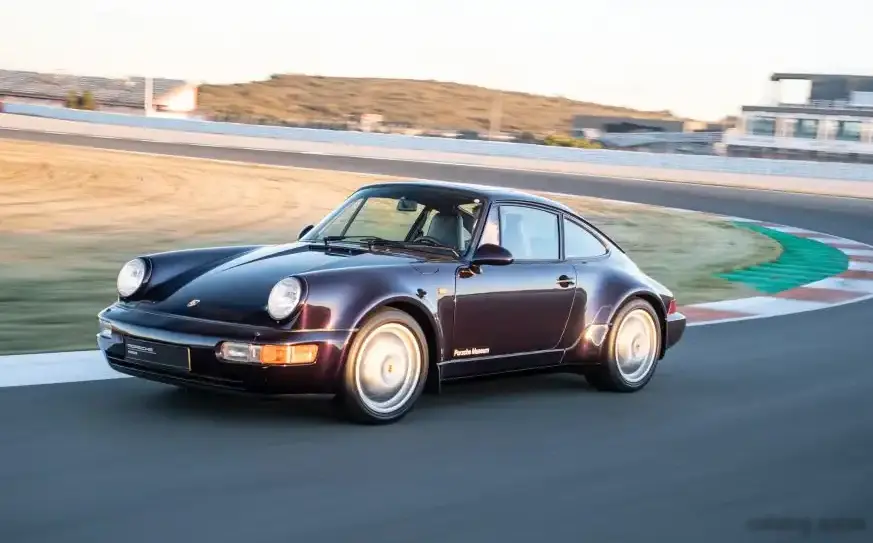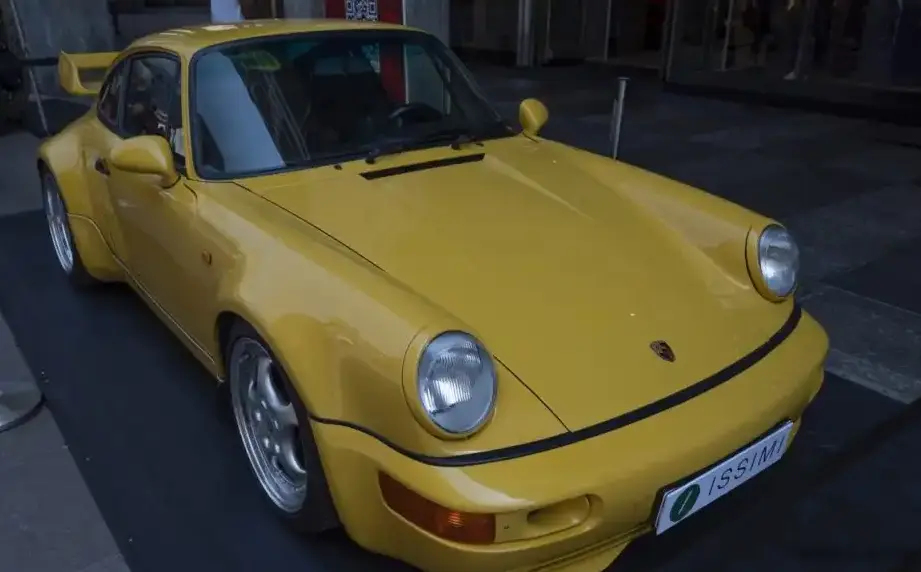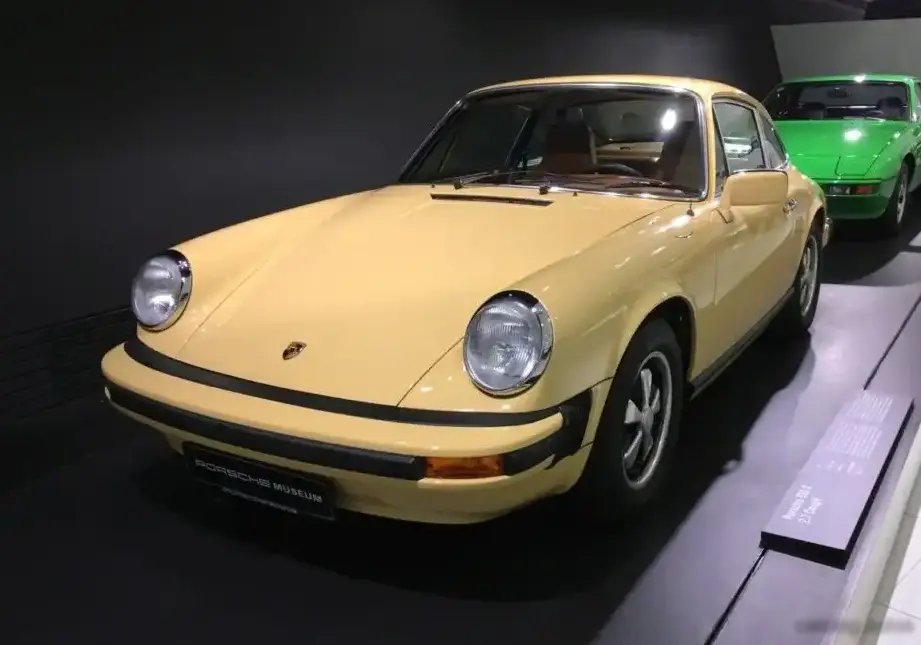
The Porsche 911 Coupe (G) 3.0 Carrera, produced between 1975 and 1977, represents a pivotal moment in the evolution of Porsche’s iconic sports car. Falling within the ‘G-Series’ (1974-1989) of the 911, the 3.0 Carrera was introduced as a replacement for the earlier 2.7 Carrera, offering increased displacement and power to meet increasingly stringent emissions regulations while maintaining the 911’s signature driving experience. This variant served as a mid-range offering within the 911 lineup, positioned above the base 911 and below the more performance-focused 911 Turbo. It was a crucial model in solidifying the 911’s reputation for both performance and relative usability.
Technical Specifications
| Brand | Porsche |
| Model | 911 |
| Generation | 911 Coupe (G) |
| Type (Engine) | 3.0 Carrera (200 Hp) |
| Start of production | 1975 |
| End of production | 1977 |
| Powertrain Architecture | Internal Combustion engine |
| Body type | Coupe |
| Seats | 4 |
| Doors | 2 |
| Fuel consumption (combined) | 14-16 l/100 km (16.8 – 14.7 US mpg, 20.2 – 17.7 UK mpg, 7.1 – 6.3 km/l) |
| Fuel Type | Petrol (Gasoline) |
| Acceleration 0 – 100 km/h | 6.5 sec |
| Acceleration 0 – 62 mph | 6.5 sec |
| Acceleration 0 – 60 mph | 6.2 sec |
| Maximum speed | 230 km/h (142.92 mph) |
| Weight-to-power ratio | 5.6 kg/Hp, 178.6 Hp/tonne |
| Weight-to-torque ratio | 4.4 kg/Nm, 227.7 Nm/tonne |
| Power | 200 Hp @ 6000 rpm |
| Power per litre | 66.8 Hp/l |
| Torque | 255 Nm @ 4200 rpm (188.08 lb.-ft. @ 4200 rpm) |
| Maximum engine speed | 6800 rpm |
| Engine layout | Rear, Longitudinal |
| Engine Model/Code | 930.02 |
| Engine displacement | 2993 cm3 (182.64 cu. in.) |
| Number of cylinders | 6 |
| Engine configuration | Boxer |
| Cylinder Bore | 95 mm (3.74 in.) |
| Piston Stroke | 70.4 mm (2.77 in.) |
| Compression ratio | 8.5:1 |
| Number of valves per cylinder | 2 |
| Fuel injection system | Multi-port manifold injection |
| Engine aspiration | Naturally aspirated engine |
| Valvetrain | SOHC |
| Engine oil capacity | 13 l (13.74 US qt | 11.44 UK qt) |
| Kerb Weight | 1120 kg (2469.18 lbs.) |
| Max. weight | 1440 kg (3174.66 lbs.) |
| Max load | 320 kg (705.48 lbs.) |
| Fuel tank capacity | 80 l (21.13 US gal | 17.6 UK gal) |
| Max. roof load | 35 kg (77.16 lbs.) |
| Permitted trailer load with brakes (12%) | 800 kg (1763.7 lbs.) |
| Permitted trailer load without brakes | 480 kg (1058.22 lbs.) |
| Length | 4291 mm (168.94 in.) |
| Width | 1652 mm (65.04 in.) |
| Height | 1320 mm (51.97 in.) |
| Wheelbase | 2272 mm (89.45 in.) |
| Front track | 1369 mm (53.9 in.) |
| Rear (Back) track | 1380 mm (54.33 in.) |
| Front overhang | 932 mm (36.69 in.) |
| Rear overhang | 1087 mm (42.8 in.) |
| Ride height (ground clearance) | 120 mm (4.72 in.) |
| Drivetrain Architecture | Rear wheel drive |
| Number of gears and type of gearbox | 5 gears, manual transmission |
| Front suspension | Spring Strut, Wishbone |
| Rear suspension | Trailing arm |
| Front brakes | Ventilated discs, 282.5 mm |
| Rear brakes | Ventilated discs, 290 mm |
| Steering type | Steering rack and pinion |
| Front wheel tires | 185/70 R15; 205/55 R16 |
| Rear wheel tires | 215/60 R15, 225/50 R16 |
| Front wheel rims | 6J x 15; 6 J x 16 |
| Rear wheel rims | 7J x 15, 7J x 16 |
Powertrain & Engine Architecture
The heart of the 911 3.0 Carrera is its 2.993-liter, air-cooled, flat-six (boxer) engine, designated the 930.02. This engine represented a significant upgrade over the preceding 2.7-liter unit, primarily through its increased displacement. The engine utilized Bosch K-Jetronic mechanical fuel injection, a system known for its precision and reliability. This system delivered fuel to the cylinders via a centrally located fuel distributor, ensuring even distribution and contributing to improved combustion efficiency. The engine featured a single overhead camshaft (SOHC) design operating two valves per cylinder. The boxer configuration, with its horizontally opposed cylinders, provided a low center of gravity, enhancing handling characteristics. The 3.0 Carrera exclusively came with a five-speed manual transmission, providing precise control and a direct connection to the engine’s power. The transmission was robustly built to handle the engine’s output and the demands of spirited driving.
Driving Characteristics
The 3.0 Carrera offered a compelling blend of performance and usability. With 200 horsepower and 188 lb-ft of torque, it could accelerate from 0 to 60 mph in approximately 6.2 seconds and achieve a top speed of 143 mph. While not as brutally fast as the later 911 Turbo, the 3.0 Carrera provided ample power for both street driving and track days. The five-speed manual transmission allowed drivers to fully exploit the engine’s powerband. The gear ratios were well-matched, providing strong acceleration in each gear. The car’s rear-wheel-drive layout and relatively lightweight construction contributed to its nimble handling. The steering was precise and communicative, providing excellent feedback to the driver. Compared to the 2.7 Carrera, the 3.0 Carrera offered a noticeable improvement in torque, making it feel more responsive at lower engine speeds.
Equipment & Trim Levels
The 3.0 Carrera was relatively well-equipped for its time, though options were plentiful. Standard features included leatherette upholstery, a leather steering wheel, and a basic sound system. Optional extras included air conditioning, power windows, a sunroof, and upgraded sound systems. Interior trim options allowed buyers to personalize their cars. The dashboard layout was typical of early 911s, with a five-gauge instrument cluster providing essential information to the driver. The seats were supportive and comfortable, even on long drives. The 3.0 Carrera was generally offered in a range of exterior colors, with solid colors and metallic paints available.
Chassis & Braking
The 911 3.0 Carrera utilized a robust chassis with independent suspension on all four wheels. The front suspension featured spring struts and wishbones, while the rear suspension employed trailing arms. This setup provided a good balance of ride comfort and handling performance. Braking duties were handled by ventilated disc brakes on all four wheels, providing ample stopping power. The braking system was unassisted, requiring a firm pedal effort. The car’s relatively low weight contributed to its braking performance. Stabilizer bars were fitted to both the front and rear axles to reduce body roll during cornering.
Market Reception & Comparison
The 3.0 Carrera was well-received by automotive critics and enthusiasts alike. It was praised for its improved performance, refined handling, and overall driving experience. Compared to the 2.7 Carrera, the 3.0 Carrera was considered a more mature and capable sports car. However, it was also more expensive. Fuel economy was typical for a sports car of its era, averaging around 16-18 mpg. Reliability was generally good, though regular maintenance was essential to keep the air-cooled engine running smoothly. The 3.0 Carrera offered a compelling alternative to other sports cars of the time, such as the BMW 3 Series and the Jaguar XJS.
Legacy
The Porsche 911 3.0 Carrera holds a significant place in the history of the 911. It represented a crucial step in the evolution of the model, bridging the gap between the earlier, more raw 911s and the later, more sophisticated versions. Today, the 3.0 Carrera is a highly sought-after classic car, prized by collectors and enthusiasts for its performance, styling, and historical significance. Well-maintained examples command high prices in the used car market. The engine is known for its durability, but regular maintenance, including oil changes and valve adjustments, is essential to ensure its longevity. The 3.0 Carrera remains a testament to Porsche’s engineering prowess and its commitment to creating iconic sports cars.