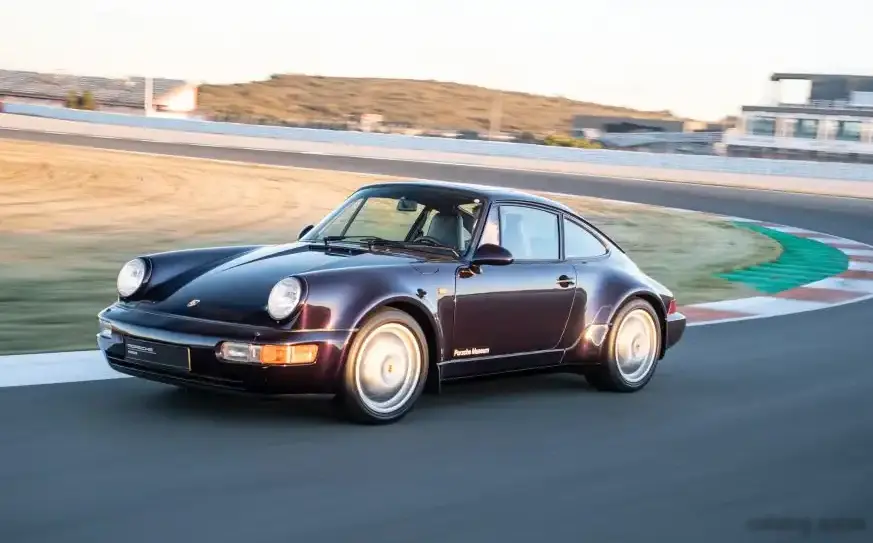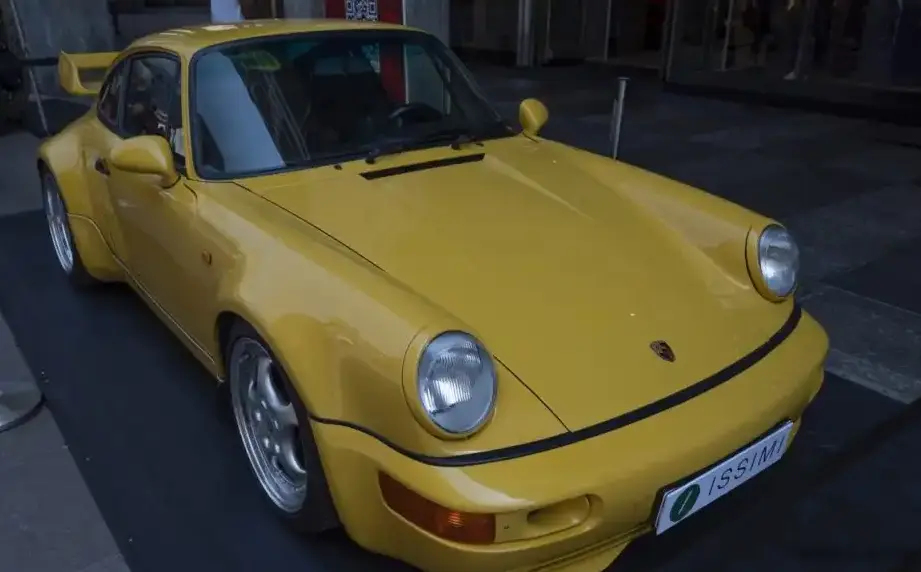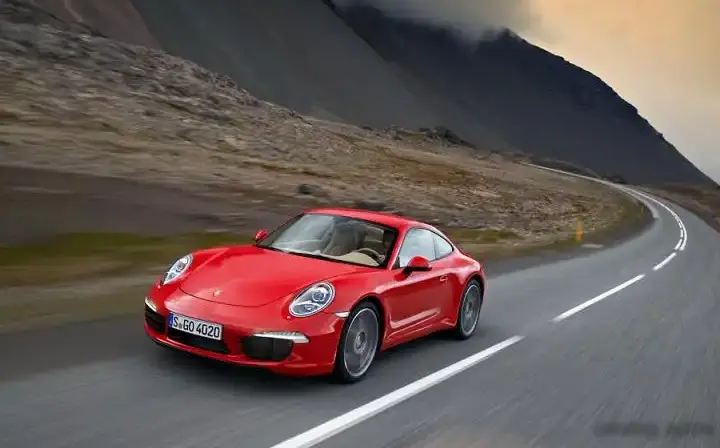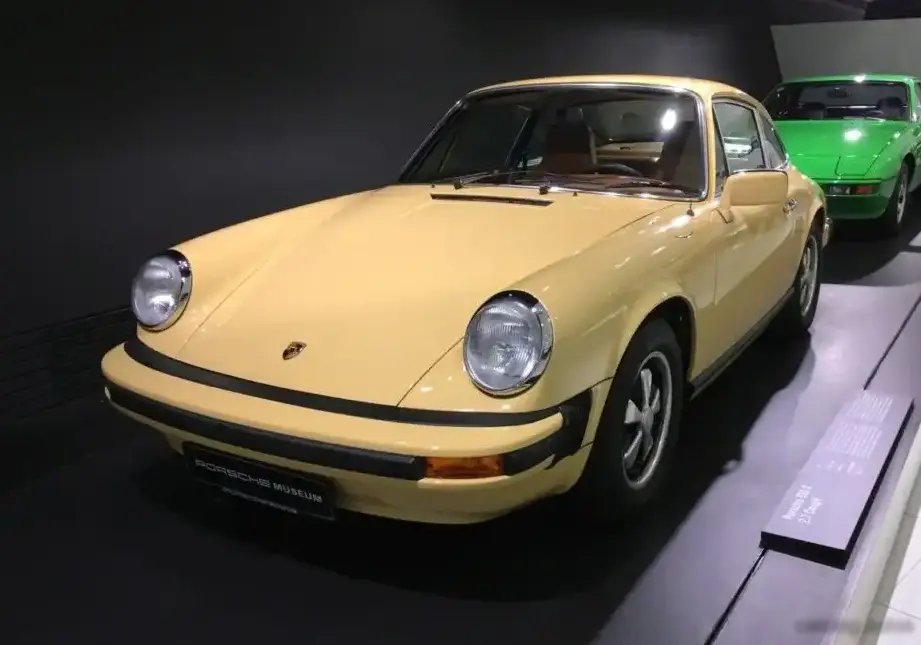
The Porsche 911 Coupe (G) 3.0 SC, produced from 1979 to 1980, represents a pivotal moment in the evolution of Porsche’s iconic sports car. Falling within the ‘G-Series’ (1974-1989) of the 911, the 3.0 SC served as a crucial bridge between the earlier 2.7-liter models and the later 3.2-liter cars. The “SC” designation, standing for “Super Carrera,” signified an upgrade in performance and refinement. This variant was positioned as the mainstream 911 offering, balancing performance with relative affordability compared to the more expensive Carrera Turbo models. It was a key model for Porsche in the North American market, where demand for the 911 remained strong despite increasingly stringent emissions regulations.
Technical Specifications
| Brand | Porsche |
| Model | 911 |
| Generation | 911 Coupe (G) |
| Type (Engine) | 3.0 SC (188 Hp) |
| Start of production | 1979 |
| End of production | 1980 |
| Powertrain Architecture | Internal Combustion engine |
| Body type | Coupe |
| Seats | 4 |
| Doors | 2 |
| Fuel consumption (urban) | 17.3 l/100 km (13.6 US mpg) |
| Fuel consumption (extra urban) | 9.2 l/100 km (25.6 US mpg) |
| Fuel Type | Petrol (Gasoline) |
| Acceleration 0 – 100 km/h | 7 sec |
| Acceleration 0 – 62 mph | 7 sec |
| Acceleration 0 – 60 mph | 6.7 sec |
| Maximum speed | 225 km/h (139.81 mph) |
| Weight-to-power ratio | 6.2 kg/Hp |
| Weight-to-torque ratio | 4.4 kg/Nm |
| Power | 188 Hp @ 5500 rpm |
| Power per litre | 62.8 Hp/l |
| Torque | 265 Nm @ 4200 rpm (195.45 lb.-ft. @ 4200 rpm) |
| Maximum engine speed | 7000 rpm |
| Engine layout | Rear, Longitudinal |
| Engine Model/Code | 930.09 |
| Engine displacement | 2994 cm3 (182.71 cu. in.) |
| Number of cylinders | 6 |
| Engine configuration | Boxer |
| Cylinder Bore | 95 mm (3.74 in.) |
| Piston Stroke | 70.4 mm (2.77 in.) |
| Compression ratio | 8.6:1 |
| Number of valves per cylinder | 2 |
| Fuel injection system | Multi-port manifold injection |
| Engine aspiration | Naturally aspirated engine |
| Valvetrain | SOHC |
| Engine oil capacity | 13 l (13.74 US qt | 11.44 UK qt) |
| Kerb Weight | 1160 kg (2557.36 lbs.) |
| Max. weight | 1500 kg (3306.93 lbs.) |
| Max load | 340 kg (749.57 lbs.) |
| Fuel tank capacity | 80 l (21.13 US gal | 17.6 UK gal) |
| Max. roof load | 35 kg (77.16 lbs.) |
| Permitted trailer load with brakes (12%) | 800 kg (1763.7 lbs.) |
| Permitted trailer load without brakes | 480 kg (1058.22 lbs.) |
| Length | 4291 mm (168.94 in.) |
| Width | 1652 mm (65.04 in.) |
| Height | 1320 mm (51.97 in.) |
| Wheelbase | 2272 mm (89.45 in.) |
| Front track | 1369 mm (53.9 in.) |
| Rear (Back) track | 1379 mm (54.29 in.) |
| Drivetrain Architecture | Rear wheel drive |
| Number of gears and type of gearbox | 5 gears, manual transmission |
| Front suspension | Spring Strut, Wishbone |
| Rear suspension | Trailing arm |
| Front brakes | Ventilated discs, 282.5 mm |
| Rear brakes | Ventilated discs, 290 mm |
| Steering type | Steering rack and pinion |
| Tires size | Front wheel tires: 185/70 R15Rear wheel tires: 215/60 R15 |
| Wheel rims size | 7J x 15; 6J x 15 |
Powertrain & Engine Architecture
The heart of the 911 SC is the 2.994-liter, air-cooled flat-six engine, designated the 930.09. This engine represented a significant upgrade from the earlier 2.7-liter units, primarily through an increase in displacement and a revised Bosch K-Jetronic fuel injection system. The K-Jetronic system, a mechanical continuous fuel injection, was known for its reliability and relatively good performance, though it was becoming increasingly complex to maintain as emissions standards tightened. The engine featured a single overhead camshaft (SOHC) design operating two valves per cylinder. The boxer configuration, with opposing pistons, provided a low center of gravity, contributing to the 911’s renowned handling characteristics. The 3.0 SC produced 188 horsepower at 5500 rpm and 195 lb-ft of torque at 4200 rpm. All 911 SC models were equipped with a five-speed manual transmission, providing precise control over the engine’s power delivery.
Driving Characteristics
The 911 SC 3.0 offered a distinct driving experience. While not as brutally fast as the Turbo models, it provided a balanced and engaging feel. The 5-speed manual transmission allowed for precise gear selection, and the engine’s torque curve provided usable power throughout the rev range. Acceleration from 0-60 mph was achieved in around 6.7 seconds, and the car could reach a top speed of 139.81 mph. The rear-engine layout and relatively light weight (approximately 2557 lbs) contributed to the 911’s unique handling characteristics. Drivers needed to be mindful of the rear-weight bias, but the car rewarded skilled drivers with exceptional cornering ability. Compared to the later 3.2 Carrera, the 3.0 SC felt a bit more raw and visceral, offering a more direct connection to the mechanicals.
Equipment & Trim Levels
The 911 SC 3.0 was relatively well-equipped for its time, though options were plentiful. Standard features included leatherette upholstery, a basic AM/FM radio, and manual windows. Optional extras included air conditioning, a sunroof, power windows, upgraded sound systems, and sport seats. Interior trim options allowed buyers to personalize their cars. The dashboard layout was typical of the G-Series 911, with a five-gauge instrument cluster providing essential information about the engine’s performance. The 911 SC was available in a range of exterior colors, allowing for further customization.
Chassis & Braking
The 911 SC utilized a robust chassis with independent suspension all around. The front suspension featured spring struts and wishbones, while the rear employed a trailing arm setup. This suspension configuration provided a good balance between ride comfort and handling performance. Braking duties were handled by ventilated disc brakes on all four wheels, providing adequate stopping power for the car’s performance capabilities. The steering system was a rack and pinion setup, offering precise and responsive steering feel. The 15-inch wheels were fitted with tires sized 185/70R15 at the front and 215/60R15 at the rear.
Market Reception & Comparison
The 911 SC 3.0 was generally well-received by automotive critics. It was praised for its improved performance, refined handling, and overall driving experience. Compared to the earlier 2.7-liter models, the 3.0 SC offered a noticeable increase in power and torque. It also benefited from improvements to the fuel injection system, resulting in better drivability and reduced emissions. Fuel economy, while not a primary concern for 911 buyers, was reasonable for a sports car of its era, averaging around 13.6 mpg in the city and 25.6 mpg on the highway. Compared to the later 3.2 Carrera, the 3.0 SC was often seen as a more affordable entry point into 911 ownership.
Legacy
The Porsche 911 SC 3.0 holds a significant place in the 911 lineage. It represented a crucial step in the evolution of the model, bridging the gap between the earlier air-cooled 911s and the later, more modern iterations. The 930.09 engine proved to be relatively reliable, and many examples are still on the road today. In the used car market, the 911 SC 3.0 is highly sought after by collectors and enthusiasts, particularly those who appreciate the classic 911 driving experience. Values have been steadily increasing in recent years, reflecting the car’s growing desirability and historical significance. Properly maintained examples are considered excellent investments and provide a rewarding ownership experience.