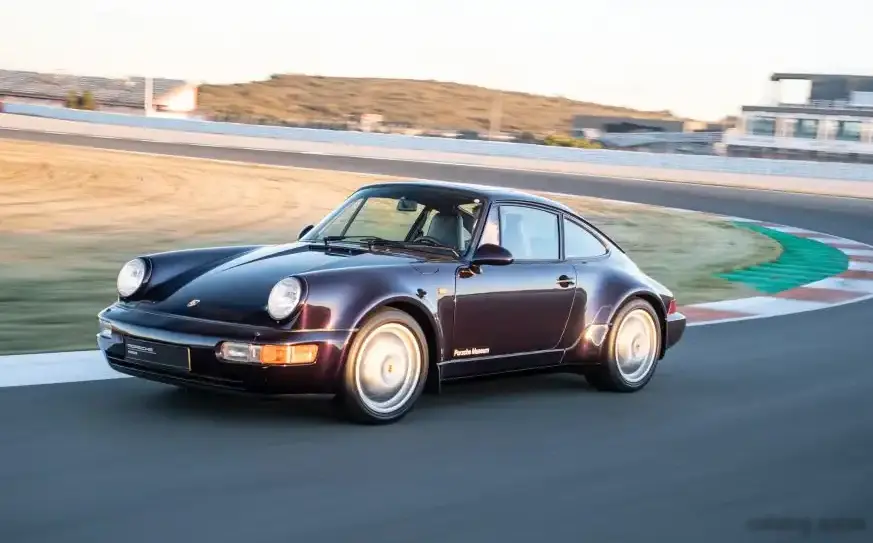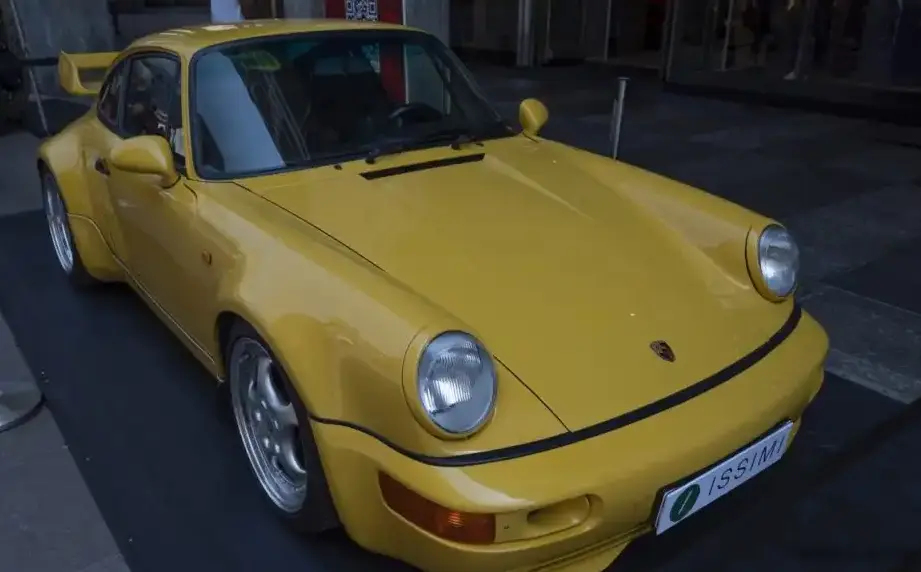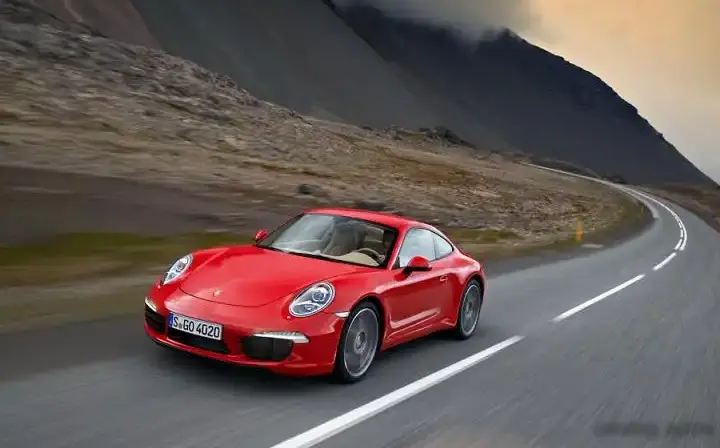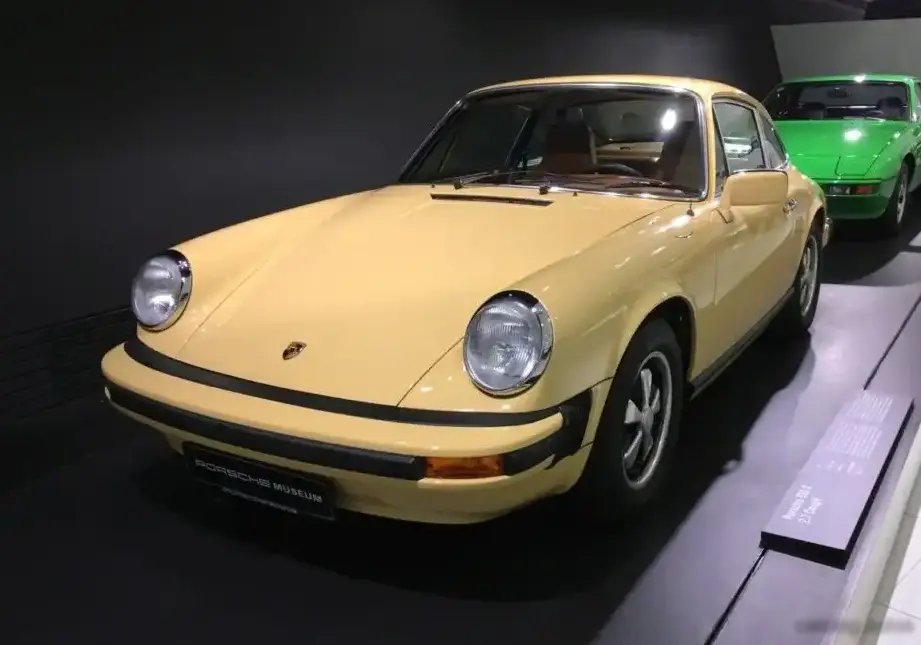
The Porsche 911 Coupe (G) 3.2 Carrera, produced between 1984 and 1989, represents a pivotal moment in the iconic 911’s evolution. This generation, internally designated the 964’s predecessor, marked the final iteration of the original 911 silhouette before significant modernization. The 3.2 Carrera was the top-of-the-line, naturally aspirated 911 available during its production run, offering a compelling blend of performance, handling, and classic Porsche aesthetics. It served as the bridge between the earlier, more raw 911s and the technologically advanced 964 that followed, solidifying the 911’s reputation as a world-class sports car.
Technical Specifications
| Brand | Porsche |
| Model | 911 |
| Generation | 911 Coupe (G) |
| Type (Engine) | 3.2 Carrera (231 Hp) |
| Start of production | 1984 |
| End of production | 1989 |
| Powertrain Architecture | Internal Combustion engine |
| Body type | Coupe |
| Seats | 4 |
| Doors | 2 |
| Fuel consumption (urban) | 13.6 l/100 km (17.3 US mpg) |
| Fuel consumption (extra urban) | 6.8 l/100 km (34.6 US mpg) |
| Fuel Type | Petrol (Gasoline) |
| Acceleration 0 – 100 km/h | 6.1 sec |
| Acceleration 0 – 62 mph | 6.1 sec |
| Acceleration 0 – 60 mph | 5.8 sec |
| Maximum speed | 245 km/h (152.24 mph) |
| Weight-to-power ratio | 5.2 kg/Hp |
| Weight-to-torque ratio | 4.3 kg/Nm |
| Power | 231 Hp @ 5900 rpm |
| Torque | 284 Nm @ 4800 rpm (209.47 lb.-ft. @ 4800 rpm) |
| Engine layout | Rear, Longitudinal |
| Engine Model/Code | 930.20 |
| Engine displacement | 3164 cm3 (193.08 cu. in.) |
| Number of cylinders | 6 |
| Engine configuration | Boxer |
| Cylinder Bore | 95 mm (3.74 in.) |
| Piston Stroke | 74.4 mm (2.93 in.) |
| Compression ratio | 10.3:1 |
| Number of valves per cylinder | 2 |
| Fuel injection system | Multi-port manifold injection |
| Engine aspiration | Naturally aspirated engine |
| Valvetrain | SOHC |
| Engine oil capacity | 10 l (10.57 US qt | 8.8 UK qt) |
| Kerb Weight | 1210 kg (2667.59 lbs.) |
| Max. weight | 1530 kg (3373.07 lbs.) |
| Max load | 320 kg (705.48 lbs.) |
| Fuel tank capacity | 85 l (22.45 US gal | 18.7 UK gal) |
| Length | 4291 mm (168.94 in.) |
| Width | 1652 mm (65.04 in.) |
| Height | 1320 mm (51.97 in.) |
| Wheelbase | 2272 mm (89.45 in.) |
| Front track | 1372 mm (54.02 in.) |
| Rear track | 1405 mm (55.31 in.) |
| Ride height (ground clearance) | 130 mm (5.12 in.) |
| Minimum turning circle | 10.95 m (35.93 ft.) |
| Drivetrain Architecture | Rear wheel drive |
| Number of gears | 5 gears, manual transmission |
| Front suspension | Spring Strut, Wishbone |
| Rear suspension | Trailing arm |
| Front brakes | Ventilated discs |
| Rear brakes | Ventilated discs |
| Steering type | Steering rack and pinion |
| Tires size | Front: 205/55 R16, Rear: 225/50 R16 |
| Wheel rims size | Front: 6J x 16, Rear: 8J x 16 |
Powertrain & Engine Architecture
The heart of the 3.2 Carrera is the 3.2-liter flat-six engine, designated the 930.20. This engine represented a significant upgrade over the earlier 3.0-liter Carrera, offering increased displacement and improved performance. The engine utilizes a Bosch Motronic fuel injection system, a multi-port design that precisely controls fuel delivery for optimal combustion. The valvetrain employs a single overhead camshaft (SOHC) design, operating two valves per cylinder. The boxer configuration, with horizontally opposed cylinders, contributes to a low center of gravity, enhancing handling characteristics. The 3.2 Carrera exclusively came with a five-speed manual transmission, known for its precise shifts and robust construction. This transmission was crucial in harnessing the engine’s power and delivering a connected driving experience.
Driving Characteristics
The 3.2 Carrera delivers a distinctly analog driving experience. The 231 horsepower and 209 lb-ft of torque provide ample power for spirited driving, with a noticeable surge in acceleration as the engine climbs towards its 5900 rpm peak. The five-speed manual transmission allows for precise control over the engine’s powerband. While not as brutally fast as later turbocharged 911s, the 3.2 Carrera offers a more accessible and rewarding driving experience. The rear-wheel-drive layout and the engine’s rearward placement contribute to a unique handling balance, requiring driver skill and attention. The steering is direct and communicative, providing excellent feedback. Compared to the earlier 3.0 Carrera, the 3.2 offered improved torque and a more refined overall driving experience.
Equipment & Trim Levels
The 3.2 Carrera was relatively well-equipped for its time, though options were plentiful. Standard features included leather upholstery, power windows, and a basic sound system. The interior design was functional and driver-focused, with analog gauges providing essential information. Optional extras included a sunroof, limited-slip differential, sport seats, and upgraded audio systems. The interior trim could be customized with various leather colors and materials. The 3.2 Carrera occupied the top spot in the naturally aspirated 911 lineup, positioned above the base Carrera models.
Chassis & Braking
The 3.2 Carrera utilizes a robust chassis with independent suspension at all four wheels. The front suspension employs a spring strut and wishbone design, while the rear suspension features a trailing arm setup. This suspension configuration provides a good balance of ride comfort and handling performance. Braking duties are handled by ventilated disc brakes at all four corners, offering excellent stopping power. The braking system is not assisted by ABS as standard, though it was available as an option. The car’s relatively light weight (around 2668 lbs) contributes to its agile handling.
Market Reception & Comparison
The 3.2 Carrera was widely praised by automotive critics for its performance, handling, and classic Porsche character. It was considered a significant improvement over the earlier 3.0 Carrera, offering increased power and refinement. Compared to the turbocharged 911s of the era, the 3.2 Carrera was seen as a more approachable and rewarding car to drive, offering a more linear power delivery and less demanding handling characteristics. Fuel economy was reasonable for a sports car of its era, averaging around 17 mpg in the city and 35 mpg on the highway. Reliability was generally good, though maintenance costs could be high due to the car’s complex engineering.
Legacy
The Porsche 911 Coupe (G) 3.2 Carrera is now a highly sought-after classic car. Its combination of performance, handling, and timeless design has made it a favorite among Porsche enthusiasts. The 3.2-liter engine is known for its durability and relatively straightforward maintenance. Well-maintained examples command high prices in the used car market. The 3.2 Carrera represents a sweet spot in the 911 lineage, offering a classic Porsche experience without the complexities of later models. It remains a testament to Porsche’s engineering prowess and its commitment to building exceptional sports cars.