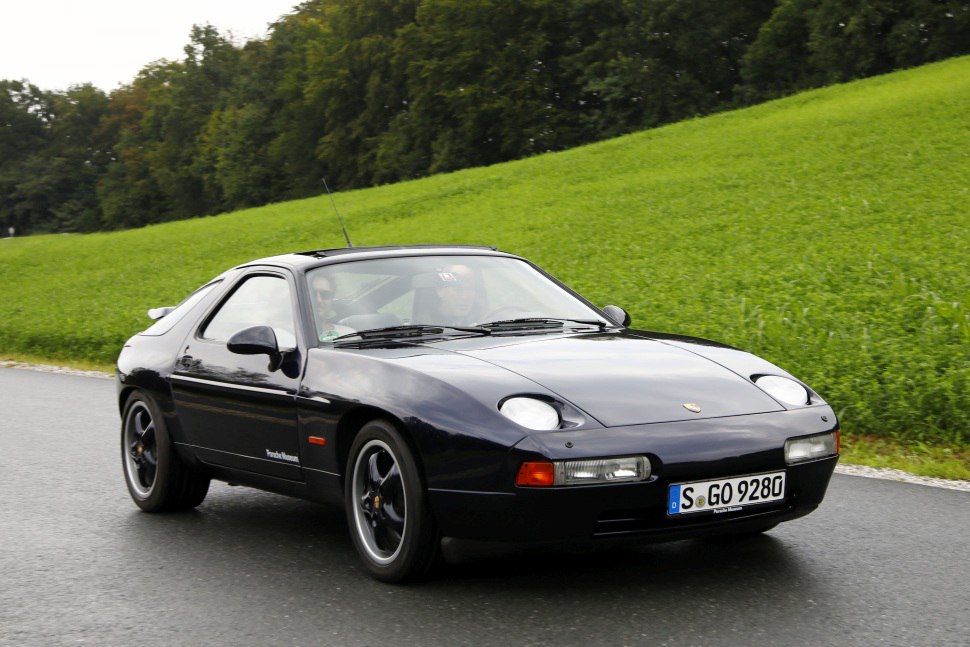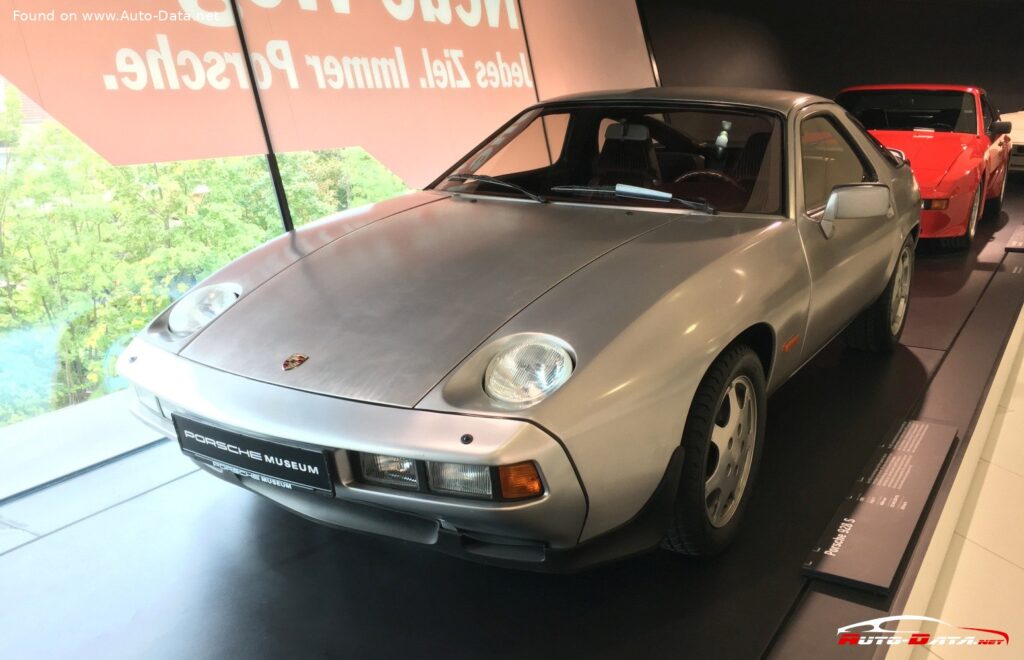
The Porsche 928 4.7 S represents a pivotal moment in the history of Porsche, marking a departure from the traditional rear-engined, air-cooled layout that had defined the brand for decades. Produced between 1979 and 1983, the 4.7 S was the initial high-performance variant of the 928, a grand touring coupe designed to replace the aging 911. It aimed to offer a more refined and luxurious experience while still delivering the exhilarating performance expected of a Porsche. The 928 was not initially intended for the US market, but quickly gained popularity there, becoming a symbol of 1980s automotive sophistication.
The Porsche 928 4.7 S: A Paradigm Shift
The 928 was a bold move for Porsche. It featured a front-engine, rear-wheel-drive configuration, a V8 engine, and a more spacious, comfortable interior than the 911. This design philosophy was driven by concerns that the 911 was reaching the end of its development potential and that a more modern, globally appealing platform was needed. The 4.7 S, with its increased power output, represented Porsche’s commitment to maintaining a high-performance image while embracing this new direction. It was a car designed to compete with grand tourers from Ferrari, Maserati, and Jaguar, offering a unique blend of performance, luxury, and practicality.
Engine & Performance
At the heart of the 928 4.7 S lies a naturally aspirated, 4.7-liter (284.49 cubic inches) V8 engine, designated M28.11. This engine produced 300 horsepower at 5900 rpm and 283.96 lb.-ft. of torque at 4500 rpm. The engine utilized multi-port manifold fuel injection, contributing to its smooth power delivery and relatively good fuel efficiency for the time. The engine’s layout was longitudinal, meaning it was mounted lengthwise in the chassis. This configuration, combined with the rear-wheel-drive setup, provided excellent balance and handling characteristics. The 928 4.7 S could achieve a maximum speed of 155.34 mph (250 km/h). Its weight-to-power ratio of 5 kg/Hp and a weight-to-torque ratio of 3.9 kg/Nm further emphasized its performance capabilities. The five-speed manual transmission allowed drivers to fully exploit the engine’s power band.
Design & Features
The Porsche 928 4.7 S boasted a distinctive and modern design for its era. Its sleek, aerodynamic coupe body style, penned by Harm Lagaay, featured a long hood, a sloping roofline, and a distinctive pop-up headlight arrangement. The car offered seating for four passengers, a rarity among high-performance sports cars of the time. The interior was well-appointed, with comfortable seats and a driver-focused cockpit. While not heavily laden with electronic driver aids by today’s standards, the 928 4.7 S incorporated features such as disc brakes on all four wheels, providing excellent stopping power. The suspension system, featuring double wishbones and independent coil springs on both the front and rear axles, contributed to the car’s refined ride quality and precise handling. The 928’s design prioritized both aesthetics and functionality, creating a car that was as visually appealing as it was enjoyable to drive.
Technical Specifications
| Brand | Porsche |
| Model | 928 |
| Generation | 928 |
| Type (Engine) | 4.7 S (300 Hp) |
| Start of production | 1979 |
| End of production | 1983 |
| Powertrain Architecture | Internal Combustion engine |
| Body type | Coupe |
| Seats | 4 |
| Doors | 2 |
| Fuel Type | Petrol (Gasoline) |
| Maximum speed | 155.34 mph (250 km/h) |
| Weight-to-power ratio | 5 kg/Hp |
| Weight-to-torque ratio | 3.9 kg/Nm |
| Power | 300 Hp @ 5900 rpm |
| Power per litre | 64.4 Hp/l |
| Torque | 385 Nm @ 4500 rpm (283.96 lb.-ft. @ 4500 rpm) |
| Engine layout | Front, Longitudinal |
| Engine Model/Code | M28.11 |
| Engine displacement | 4662 cm3 (284.49 cu. in.) |
| Number of cylinders | 8 |
| Engine configuration | V-engine |
| Cylinder Bore | 97 mm (3.82 in.) |
| Piston Stroke | 78.9 mm (3.11 in.) |
| Number of valves per cylinder | 2 |
| Fuel injection system | Multi-port manifold injection |
| Engine aspiration | Naturally aspirated engine |
| Engine oil capacity | 7.5 l (7.93 US qt | 6.6 UK qt) |
| Coolant | 16 l (16.91 US qt | 14.08 UK qt) |
| Kerb Weight | 1500 kg (3306.93 lbs.) |
| Max. weight | 1780 kg (3924.23 lbs.) |
| Max load | 280 kg (617.29 lbs.) |
| Fuel tank capacity | 86 l (22.72 US gal | 18.92 UK gal) |
| Max. roof load | 35 kg (77.16 lbs.) |
| Permitted towbar download | 50 kg (110.23 lbs.) |
| Length | 4450 mm (175.2 in.) |
| Width | 1840 mm (72.44 in.) |
| Height | 1280 mm (50.39 in.) |
| Wheelbase | 2500 mm (98.43 in.) |
| Front track | 1550 mm (61.02 in.) |
| Rear (Back) track | 1520 mm (59.84 in.) |
| Front overhang | 1005 mm (39.57 in.) |
| Rear overhang | 945 mm (37.2 in.) |
| Minimum turning circle (turning diameter) | 10.4 m (34.12 ft.) |
| Drivetrain Architecture | Rear wheel drive |
| Number of gears and type of gearbox | 5 gears, manual transmission |
| Front suspension | Double wishbone, Independent coil spring |
| Rear suspension | Double wishbone, Independent coil spring |
| Front brakes | Disc |
| Rear brakes | Disc |
| Steering type | Steering rack and pinion |
| Tires size | 225/50 R16 |
| Wheel rims size | 7J x 16 |
The Porsche 928 4.7 S, despite its initial controversy among Porsche purists, proved to be a successful and influential model. It demonstrated Porsche’s willingness to innovate and adapt to changing market demands. While production continued with various iterations until 1995, the 4.7 S remains a highly sought-after classic, representing a unique chapter in Porsche’s storied history and a compelling alternative to the traditional 911.