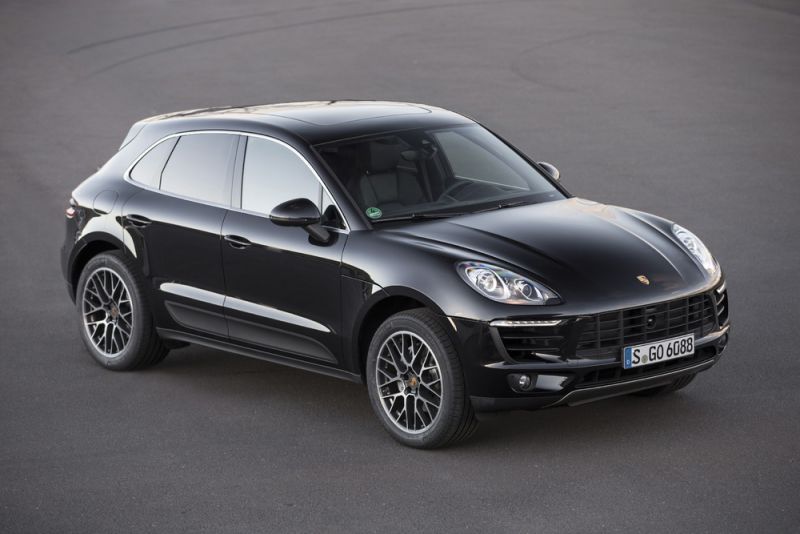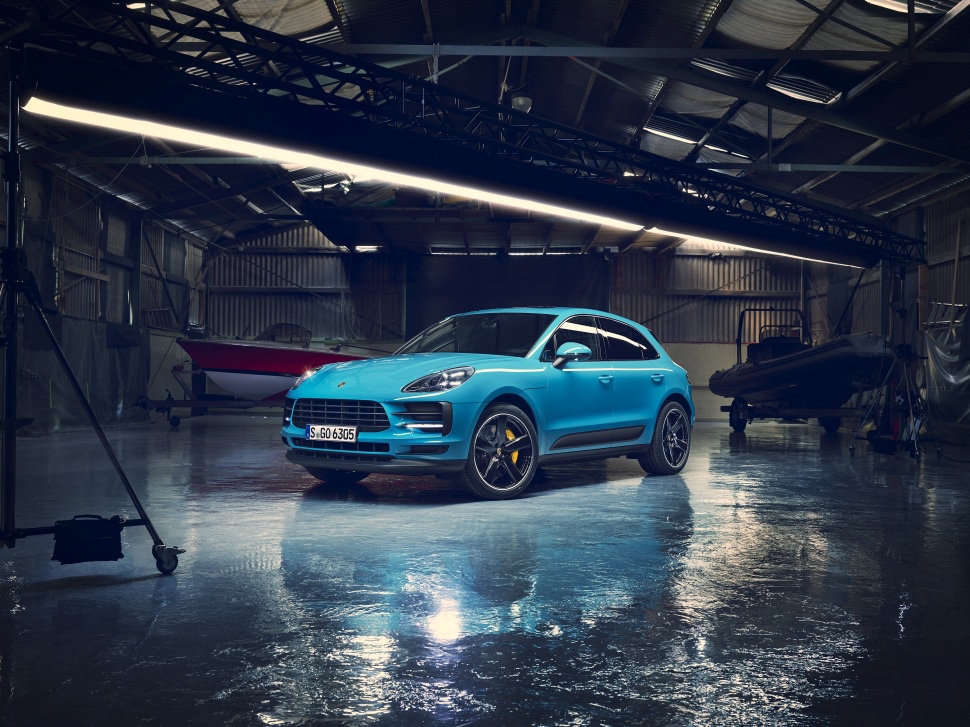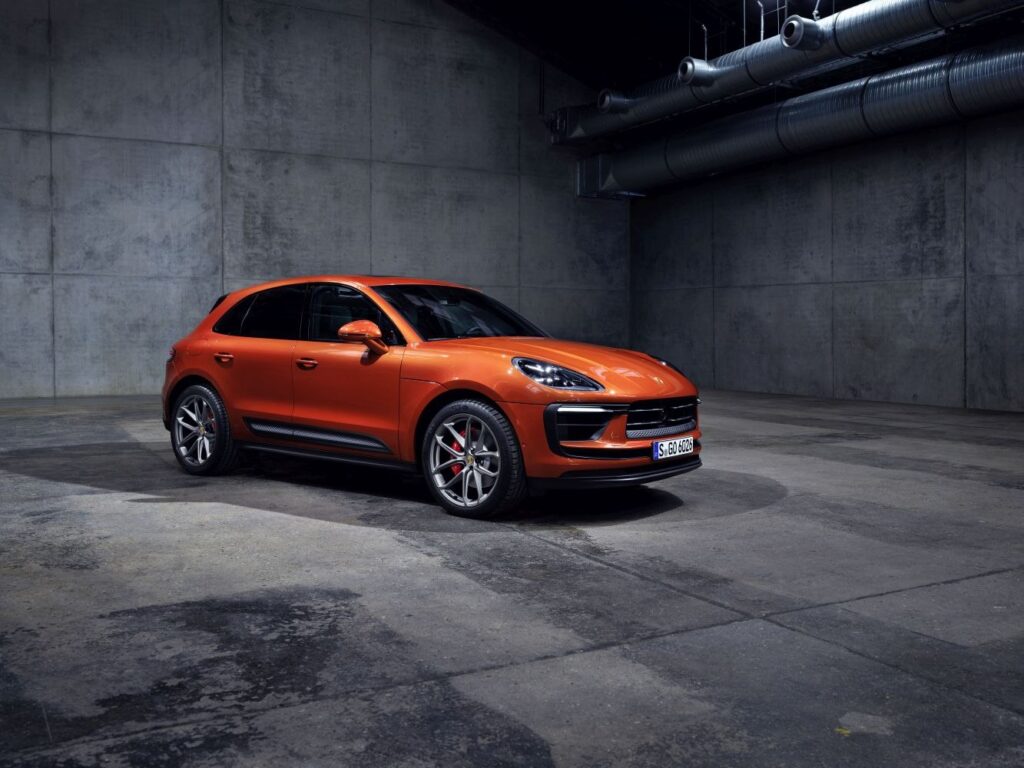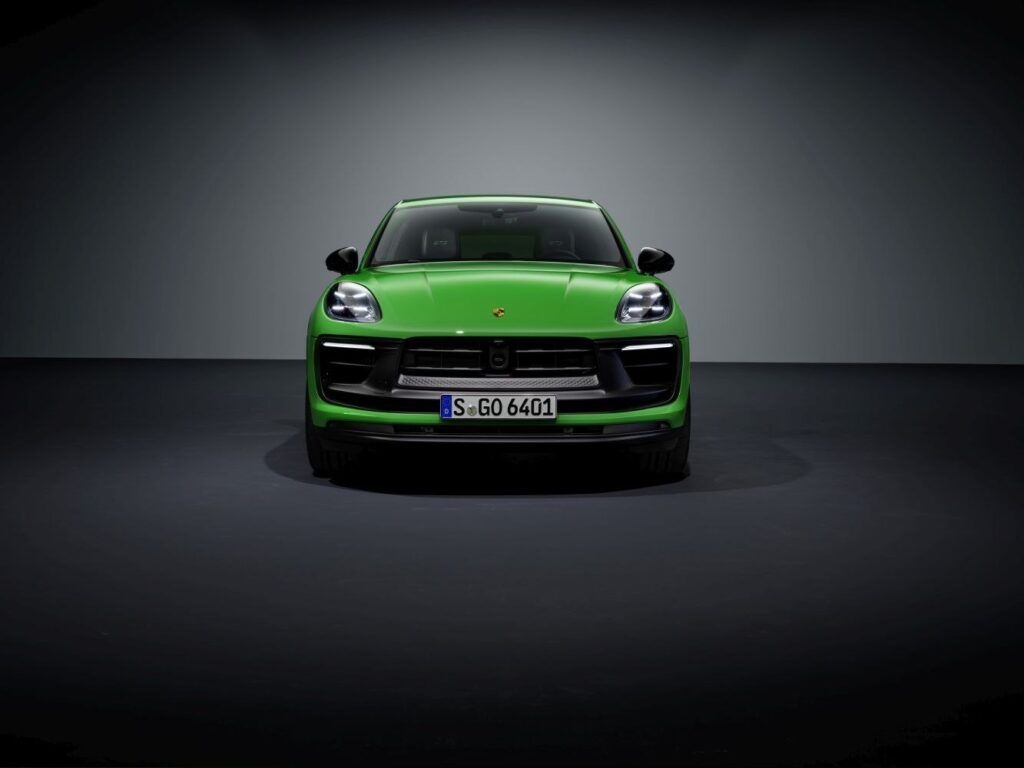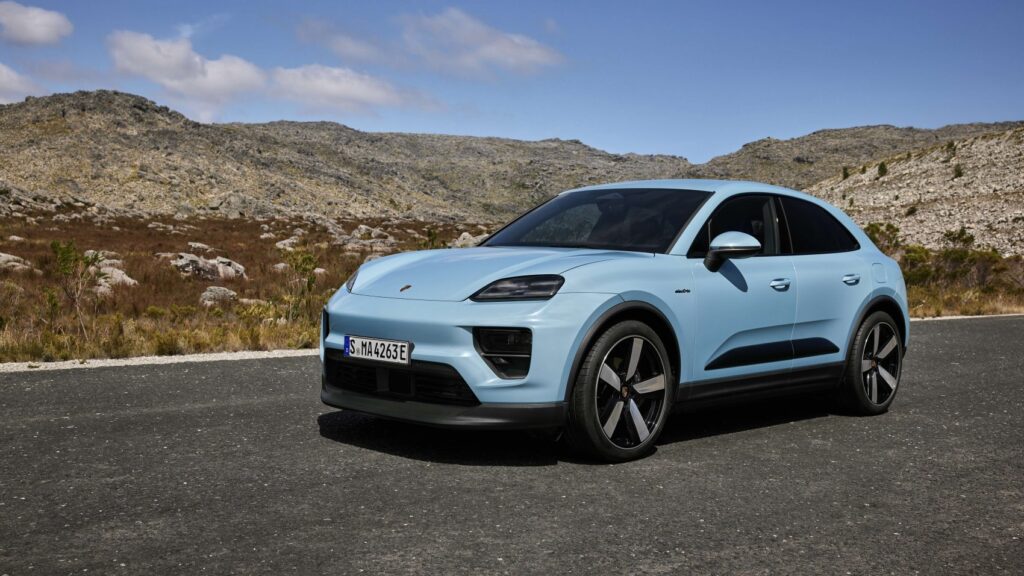
The Porsche Macan II Electric represents Porsche’s foray into a fully electric version of its popular compact luxury SUV. Introduced in July 2024, this second generation Macan abandons the internal combustion engine entirely, embracing a Battery Electric Vehicle (BEV) architecture. Positioned within the premium compact SUV segment, the Macan Electric aims to deliver the driving dynamics and luxury expected of the Porsche badge, while offering the benefits of zero-emission motoring. It is important to note that while the original Macan continues in production with gasoline engines, the Macan II Electric is a distinct model, expanding the Macan lineup rather than replacing it.
Porsche Macan II Electric: A New Era
The Macan II Electric is built on the Premium Platform Electric (PPE), co-developed with Audi. This dedicated EV platform allows for a low center of gravity, optimized weight distribution, and ample interior space. The vehicle is designed to appeal to buyers seeking a sporty, technologically advanced, and environmentally conscious SUV. The Macan Electric is currently not sold in the United States, but is aimed at the European and Asian markets where demand for electric SUVs is high. It competes with vehicles like the Tesla Model Y, BMW iX3, and Mercedes-Benz EQC.
Engine & Performance
The Macan II Electric is powered by a single permanently synchronized electric motor located on the rear axle, delivering a total output of 360 horsepower (Hp) and 563 Newton-meters (415.25 lb.-ft.) of torque. This configuration results in a rear-wheel-drive layout. The powertrain utilizes an 800-volt architecture, enabling faster charging times. Acceleration from 0 to 100 km/h (0-62 mph) takes 5.7 seconds, while 0 to 60 mph is achieved in a calculated 5.4 seconds. The vehicle boasts a maximum speed of 220 km/h (136.7 mph). The weight-to-power ratio is 6.2 kg/Hp, and the weight-to-torque ratio is 3.9 kg/Nm. The electric motor’s transverse mounting contributes to efficient packaging and optimized driving dynamics.
Design & Features
The Macan II Electric maintains the sporty and elegant design language of the original Macan, but with a more streamlined and modern aesthetic. The body is a five-door SUV, offering seating for five passengers. Key design elements include a sloping roofline, pronounced wheel arches, and a distinctive front fascia. The drag coefficient of 0.25 contributes to improved aerodynamic efficiency and range. Inside, the Macan Electric features a minimalist and high-tech cabin, dominated by a large central touchscreen display and a curved digital instrument cluster. The vehicle offers a trunk (boot) space of 540 liters (19.07 cu. ft.) with the rear seats up, expanding to 1348 liters (47.6 cu. ft.) when folded down. Available features include air suspension for enhanced ride comfort, advanced driver-assistance systems, and a premium sound system. Safety features are comprehensive, including ABS, and a suite of active safety technologies designed to prevent collisions and protect occupants.
Technical Specifications
| Brand | Porsche |
| Model | Macan |
| Generation | Macan II Electric |
| Type (Engine) | 100 kWh (360 Hp) |
| Start of production | July, 2024 |
| Powertrain Architecture | BEV (Electric Vehicle) |
| Body type | SUV |
| Seats | 5 |
| Doors | 5 |
| Fuel Type | Electricity |
| Acceleration 0 – 100 km/h | 5.7 sec |
| Acceleration 0 – 62 mph | 5.7 sec |
| Acceleration 0 – 60 mph | 5.4 sec |
| Acceleration 0 – 200 km/h | 20.9 sec |
| Maximum speed | 220 km/h (136.7 mph) |
| Weight-to-power ratio | 6.2 kg/Hp |
| Weight-to-torque ratio | 3.9 kg/Nm |
| Gross battery capacity | 100 kWh |
| Net (usable) battery capacity | 95 kWh |
| Battery voltage | 800 V |
| Battery technology | Lithium-ion (Li-Ion) |
| Battery location | Below the floor |
| All-electric range (WLTP) | 536-641 km (333.05 – 398.3 mi) |
| Average Energy consumption (WLTP) | 17-19.8 kWh/100 km (27.36 – 31.87 kWh/100 mi) |
| Electric motor power | 360 Hp |
| Electric motor Torque | 563 Nm (415.25 lb.-ft.) |
| Electric motor location | Rear axle, Transverse |
| System power | 360 Hp |
| System torque | 563 Nm (415.25 lb.-ft.) |
| Kerb Weight | 2220 kg (4894.26 lbs.) |
| Max. weight | 2810 kg (6194.99 lbs.) |
| Max load | 590 kg (1300.73 lbs.) |
| Trunk (boot) space – minimum | 540 l (19.07 cu. ft.) |
| Trunk (boot) space – maximum | 1348 l (47.6 cu. ft.) |
| Max. roof load | 75 kg (165.35 lbs.) |
| Permitted trailer load with brakes (12%) | 2000 kg (4409.25 lbs.) |
| Permitted trailer load without brakes | 750 kg (1653.47 lbs.) |
| Permitted towbar download | 80 kg (176.37 lbs.) |
| Length | 4784 mm (188.35 in.) |
| Width | 1938 mm (76.3 in.) |
| Width including mirrors | 2152 mm (84.72 in.) |
| Height | 1623 mm (63.9 in.) |
| Wheelbase | 2893 mm (113.9 in.) |
| Ride height (ground clearance) | 185-225 mm (7.28 – 8.86 in.) |
| Drag coefficient (Cd) | 0.25 |
| Minimum turning circle (turning diameter) | 12.1 m (39.7 ft.) |
| Approach angle | 12.6-15.4° |
| Departure angle | 20.6-23.9° |
| Ramp-over (brakeover) angle | 14.9-18.1° |
| Wading depth | 300-340 mm (11.81 – 13.39 in.) |
| Drivetrain Architecture | One electric motor drives the rear wheels. |
| Drive wheel | Rear wheel drive |
| Number of gears and type of gearbox | 1 gears, automatic transmission |
| Front suspension | Independent multi-link suspension, Air Suspension – Optional |
| Rear suspension | Independent multi-link suspension, Air Suspension – Optional |
| Front brakes | Ventilated discs, 350×34 mm |
| Rear brakes | Ventilated discs, 350×30 mm |
| Tires size Front | 235/55 R20; 255/45 R21; 255/40 R22 |
| Tires size Rear | 285/45 R20; 295/40 R21; 295/35 R22 |