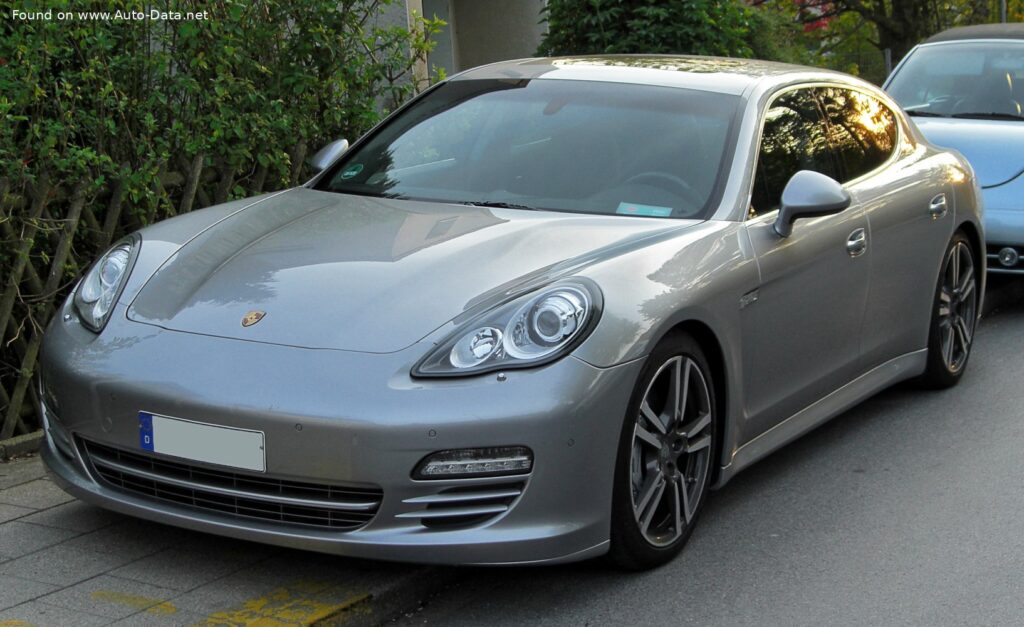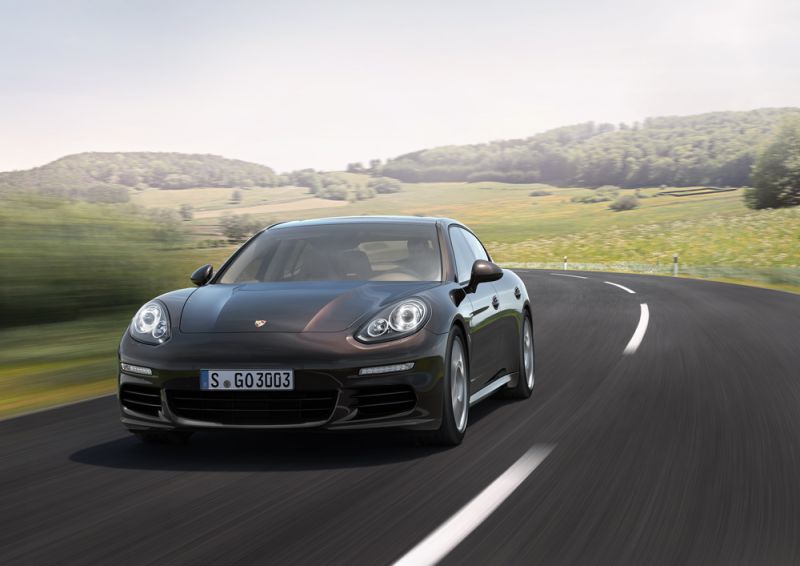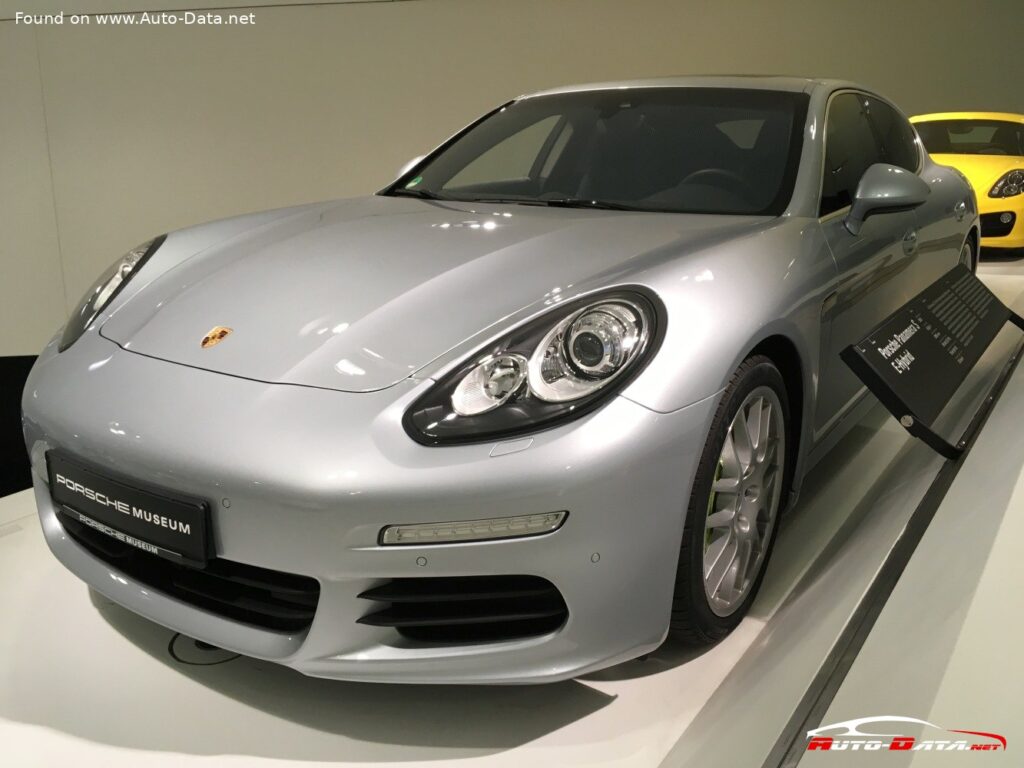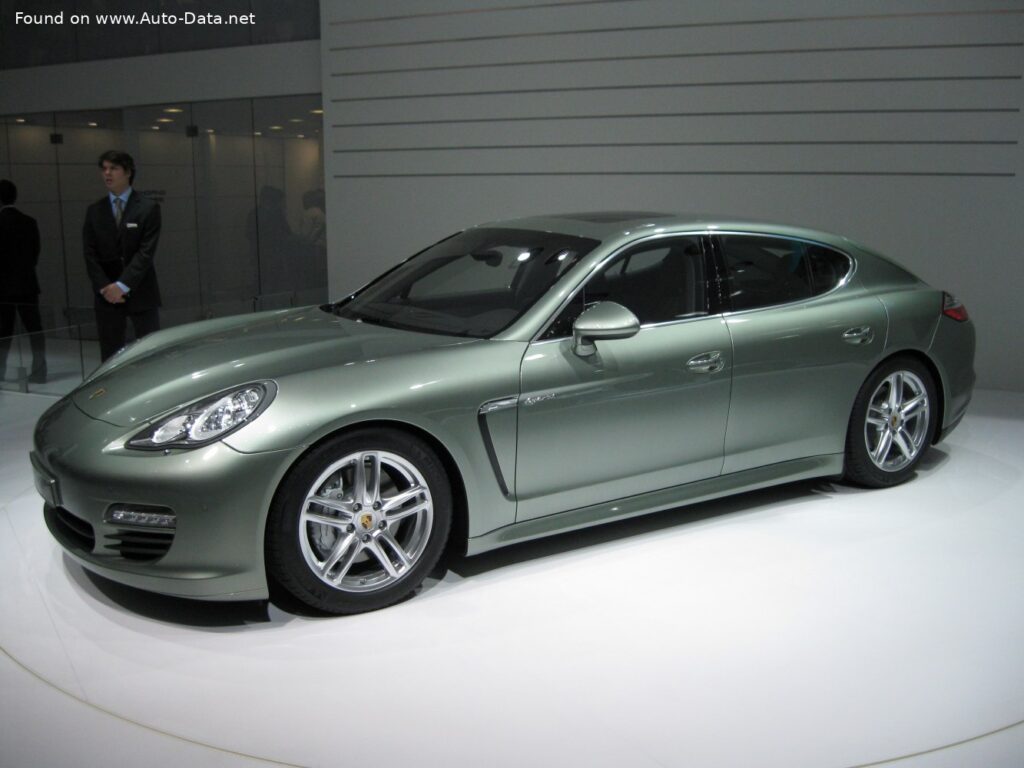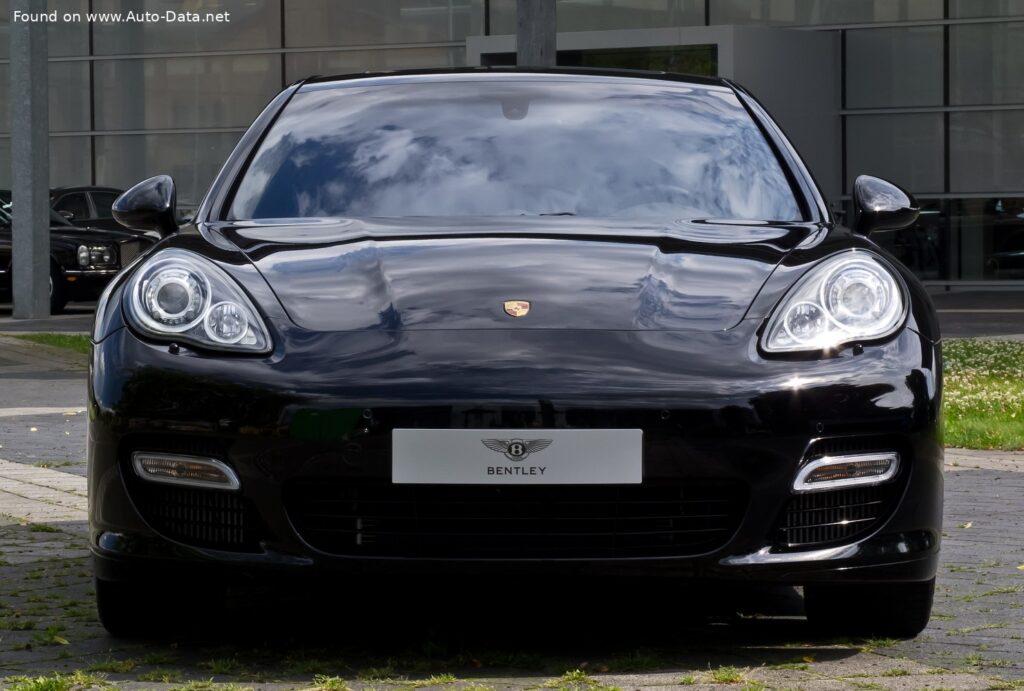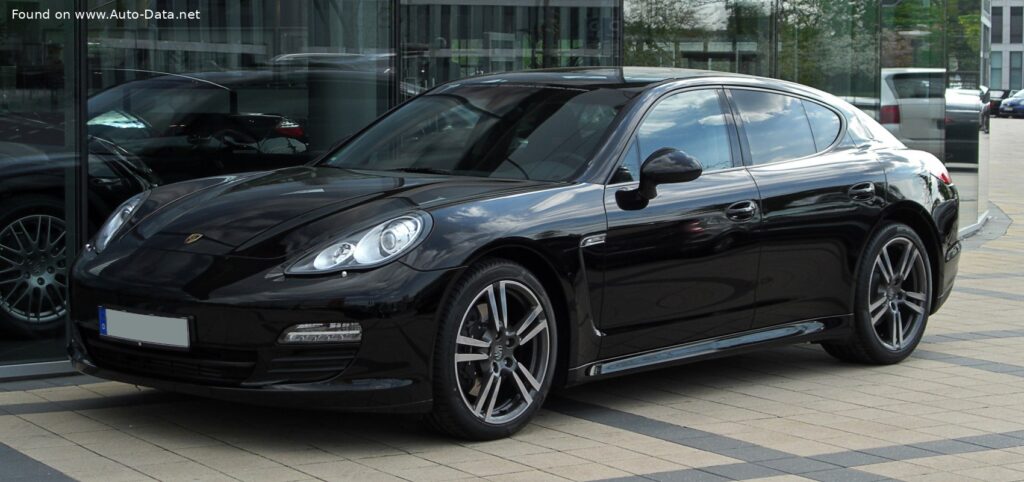
The Porsche Panamera (G1), launched in 2010, represented a pivotal moment for the German automaker. It was Porsche’s first production four-door sedan, a bold departure from its traditional sports car focus. The G1 generation, produced through 2013, aimed to blend the performance and handling expected of a Porsche with the practicality of a luxury sedan. This article details the 3.6-liter V6 variant, producing 300 horsepower, a key model in the initial Panamera lineup, and its impact on the luxury performance market.
Porsche Panamera (G1) 3.6 V6: A New Breed of Porsche
The Panamera G1 was designed to appeal to a broader customer base than Porsche had previously targeted. While the 911 remained the iconic sports car, the Panamera offered a more spacious and comfortable experience without sacrificing driving dynamics. The 3.6 V6 model served as the entry point to the Panamera range, providing a balance of performance and efficiency. It was positioned to compete with established luxury sedans from brands like BMW, Mercedes-Benz, and Audi, but with the added prestige and driving experience synonymous with the Porsche name.
Engine & Performance
At the heart of the Panamera 3.6 V6 lies a naturally aspirated 3.6-liter V6 engine, designated as the 4620 engine code. This powerplant delivers 300 horsepower at 6,200 rpm and 400 Newton-meters (295.02 lb.-ft.) of torque at 3,750 rpm. The engine features direct fuel injection and a compression ratio of 12.5:1, contributing to its responsive performance. Power is sent to the rear wheels via a six-speed manual transmission. This configuration allows for a 0-60 mph (0-97 km/h) acceleration time of approximately 6.5 seconds, and a 0-100 km/h (0-62 mph) time of 6.8 seconds. The Panamera 3.6 V6 achieves a maximum speed of 261 km/h (162.18 mph). The engine’s power-to-weight ratio is 5.8 kg/Hp, and the torque-to-weight ratio is 4.3 kg/Nm.
Design & Features
The Panamera G1 boasts a distinctive liftback design, offering a blend of coupe-like styling and the practicality of a hatchback. This body style provides generous cargo space, with a minimum of 445 liters (15.72 cu. ft.) expanding to 1263 liters (44.6 cu. ft.) with the rear seats folded down. The vehicle accommodates four passengers comfortably. The exterior design, while initially controversial, aimed for a sleek and modern aesthetic. Inside, the Panamera offered a luxurious interior with high-quality materials and a driver-focused cockpit. Standard features included automatic climate control, a premium audio system, and leather upholstery. Safety features, crucial for a luxury vehicle, included ABS (Anti-lock braking system), and a comprehensive airbag system. The Panamera’s dimensions are substantial, measuring 4970 mm (195.67 in.) in length, 1931 mm (76.02 in.) in width, and 1418 mm (55.83 in.) in height. The wheelbase is 2920 mm (114.96 in.).
Technical Specifications
| Brand | Porsche |
| Model | Panamera |
| Generation | Panamera (G1) |
| Type (Engine) | 3.6 V6 (300 Hp) |
| Start of production | April, 2010 |
| End of production | June, 2013 |
| Powertrain Architecture | Internal Combustion engine |
| Body type | Liftback |
| Seats | 4 |
| Doors | 5 |
| Fuel consumption (urban) | 16.4 l/100 km (14.3 US mpg, 17.2 UK mpg, 6.1 km/l) |
| Fuel consumption (extra urban) | 7.8 l/100 km (30.2 US mpg, 36.2 UK mpg, 12.8 km/l) |
| Fuel consumption (combined) | 11.3 l/100 km (20.8 US mpg, 25 UK mpg, 8.8 km/l) |
| CO2 emissions | 265 g/km |
| Fuel Type | Petrol (Gasoline) |
| Acceleration 0 – 100 km/h | 6.8 sec |
| Acceleration 0 – 62 mph | 6.8 sec |
| Acceleration 0 – 60 mph | 6.5 sec |
| Maximum speed | 261 km/h (162.18 mph) |
| Weight-to-power ratio | 5.8 kg/Hp |
| Weight-to-torque ratio | 4.3 kg/Nm |
| Power | 300 Hp @ 6200 rpm |
| Power per litre | 83.2 Hp/l |
| Torque | 400 Nm @ 3750 rpm (295.02 lb.-ft. @ 3750 rpm) |
| Engine layout | Front, Longitudinal |
| Engine Model/Code | 4620 |
| Engine displacement | 3605 cm3 (219.99 cu. in.) |
| Number of cylinders | 6 |
| Engine configuration | V-engine |
| Compression ratio | 12.5:1 |
| Number of valves per cylinder | 4 |
| Fuel injection system | Direct injection |
| Engine oil capacity | 8.5 l (8.98 US qt | 7.48 UK qt) |
| Kerb Weight | 1730 kg (3814 lbs.) |
| Max. weight | 2335 kg (5147.79 lbs.) |
| Max load | 605 kg (1333.8 lbs.) |
| Trunk (boot) space – minimum | 445 l (15.72 cu. ft.) |
| Trunk (boot) space – maximum | 1263 l (44.6 cu. ft.) |
| Fuel tank capacity | 80 l (21.13 US gal | 17.6 UK gal) |
| Length | 4970 mm (195.67 in.) |
| Width | 1931 mm (76.02 in.) |
| Width including mirrors | 2114 mm (83.23 in.) |
| Height | 1418 mm (55.83 in.) |
| Wheelbase | 2920 mm (114.96 in.) |
| Drag coefficient (Cd) | 0.30 |
| Drivetrain Architecture | Rear wheel drive |
| Number of gears and type of gearbox | 6 gears, manual transmission |
| Front suspension | Double wishbone |
| Rear suspension | Independent multi-link suspension |
| Front brakes | Ventilated discs, 360 mm |
| Rear brakes | Ventilated discs, 330 mm |
| Assisting systems | ABS (Anti-lock braking system) |
| Steering type | Steering rack and pinion |
| Tires size | Front: 245/50 ZR18, Rear: 275/45 ZR18 |
| Wheel rims size | Front: 8J x 18, Rear: 9J x 18 |
The Porsche Panamera G1 3.6 V6 marked Porsche’s successful entry into the luxury sedan segment. It demonstrated the brand’s ability to innovate and expand its product line while maintaining its commitment to performance and quality. While later generations would refine the design and introduce more advanced technology, the G1 laid the foundation for the Panamera’s continued success as a distinctive and desirable luxury vehicle.