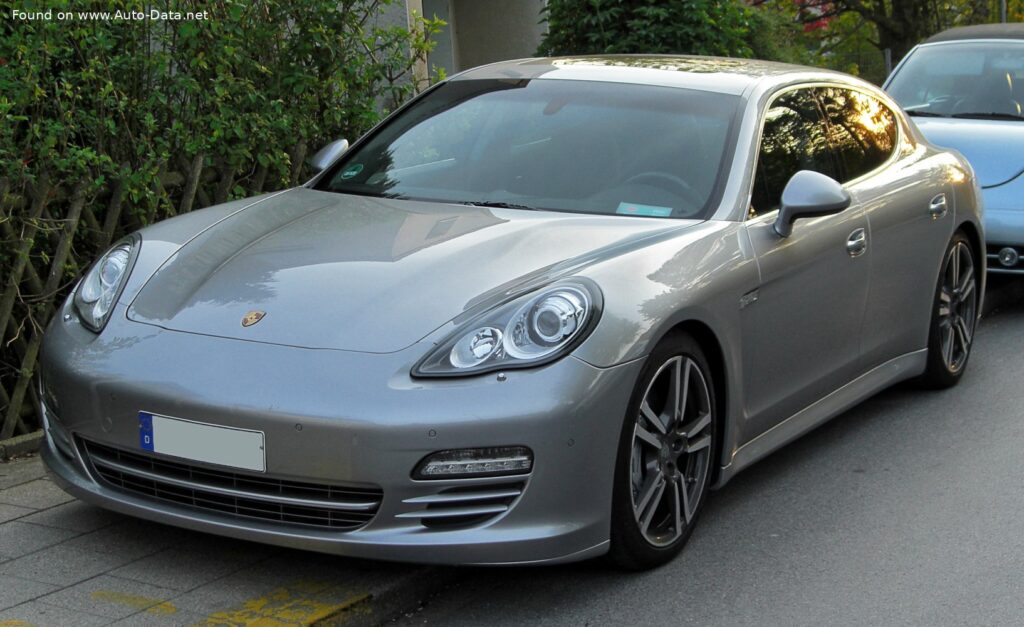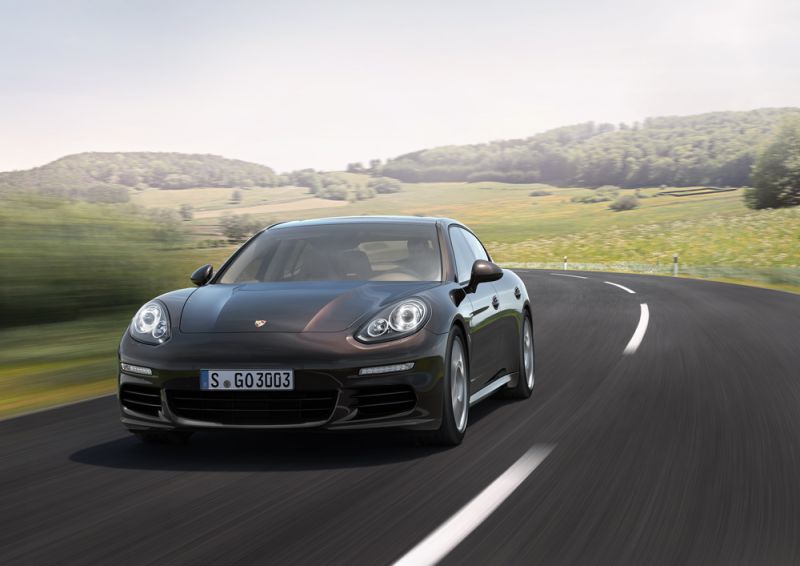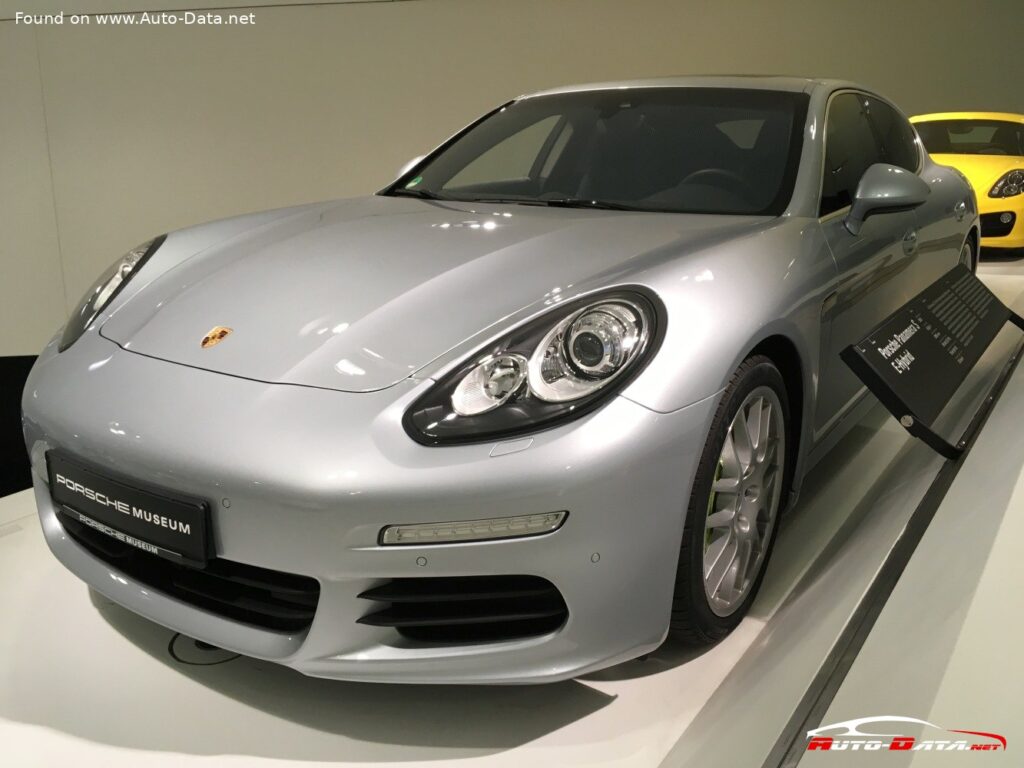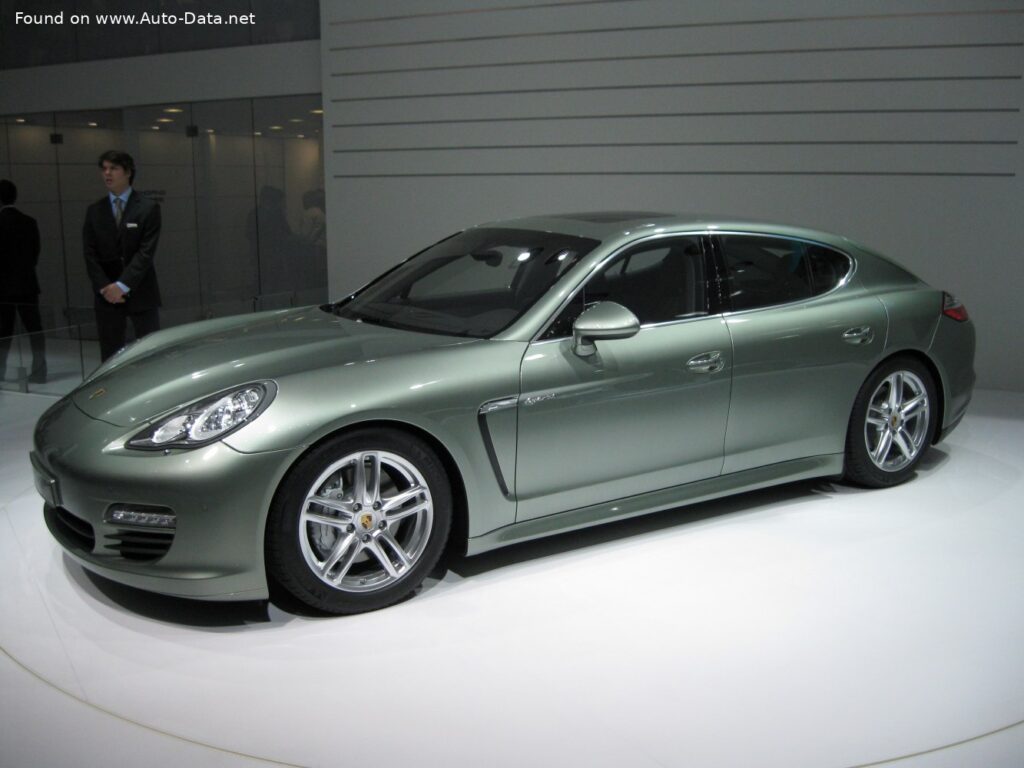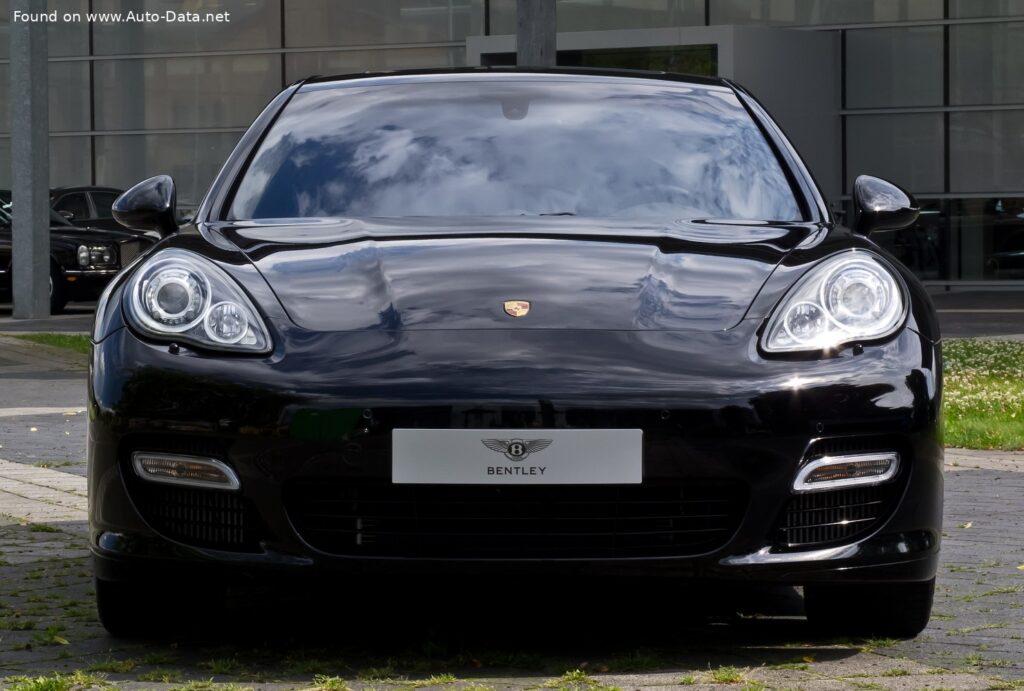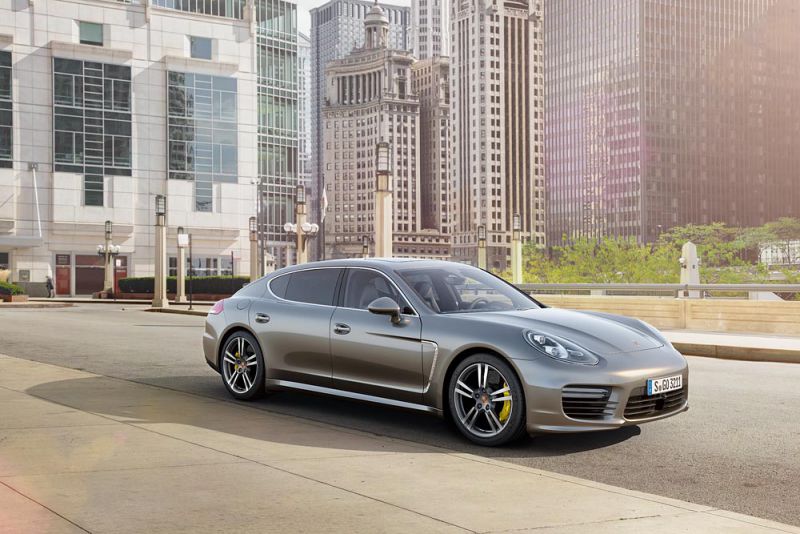
The Porsche Panamera (G1 II) Executive 4S 3.0 V6, produced between 2013 and 2016, represents a significant evolution of Porsche’s foray into the luxury four-door grand touring segment. As the second generation of the Panamera (designated G1 II, following the initial G1 from 2009-2013), this model refined the original’s design and technology, offering a compelling blend of performance, comfort, and practicality. The “Executive” designation denotes a long-wheelbase version, prioritizing rear passenger space and luxury appointments. Positioned above mainstream luxury sedans but below ultra-luxury offerings, the Panamera 4S aimed to deliver a uniquely Porsche driving experience within a more versatile package.
Porsche Panamera (G1 II) Executive 4S: A Detailed Overview
The G1 II generation Panamera benefited from a comprehensive redesign, addressing criticisms of the original’s styling and improving overall refinement. The Executive models, like the 4S, catered to buyers seeking a more spacious and luxurious experience, particularly in markets where chauffeur-driven transport is common. While the Panamera was initially met with some skepticism from Porsche purists, it ultimately proved successful, establishing a new customer base and expanding the brand’s reach. The 4S variant, with its potent V6 engine and all-wheel-drive system, struck a balance between performance and everyday usability.
Engine & Performance
At the heart of the Panamera Executive 4S lies a 3.0-liter twin-turbocharged V6 engine, designated the CWDA. This powerplant delivers 420 horsepower at 6000 rpm and 520 Nm (383.53 lb.-ft.) of torque between 1750 and 5000 rpm. The engine utilizes direct fuel injection and an intercooler to maximize efficiency and power output. Coupled with Porsche’s seven-speed PDK (Porsche Doppelkupplung) dual-clutch automatic transmission and an all-wheel-drive system, the Panamera 4S achieves a 0-60 mph (0-97 km/h) time of approximately 4.8 seconds and a 0-100 km/h (0-62 mph) time of 5.0 seconds. Its top speed is electronically limited to 286 km/h (177.71 mph). The engine’s power-to-weight ratio is a respectable 4.8 kg/Hp, and its torque-to-weight ratio is 3.8 kg/Nm. Fuel economy is rated at 9 liters per 100 kilometers (26.1 US mpg combined), with CO2 emissions of 210 g/km, meeting Euro 5 emission standards.
Design & Features
The Panamera Executive 4S retains the distinctive liftback body style of the first-generation model, but with more sculpted lines and a more refined aesthetic. The longer wheelbase of the Executive model adds 150 mm (5.9 inches) to the overall length, translating into significantly increased rear legroom. The interior is characterized by Porsche’s commitment to quality materials and craftsmanship, with available options including premium leather upholstery, wood trim, and advanced infotainment systems. Standard features include a comprehensive suite of safety technologies, such as ABS, traction control, and multiple airbags. The liftback design provides excellent cargo versatility, offering 445 liters (15.72 cu. ft.) of space with the rear seats up and 1263 liters (44.6 cu. ft.) with them folded down. The vehicle’s drag coefficient of 0.30 contributes to its aerodynamic efficiency. The Executive model specifically targets buyers who prioritize rear passenger comfort, often including features like reclining rear seats, a rear-seat entertainment system, and climate control.
Technical Specifications
| Brand | Porsche |
| Model | Panamera |
| Generation | Panamera (G1 II) Executive |
| Type (Engine) | 4S 3.0 V6 (420 Hp) PDK |
| Start of production | 2013 |
| End of production | 2016 |
| Powertrain Architecture | Internal Combustion engine |
| Body type | Liftback |
| Seats | 4 |
| Doors | 5 |
| Fuel consumption (urban) | 12.4 l/100 km (19 US mpg, 22.8 UK mpg) |
| Fuel consumption (extra urban) | 7.3 l/100 km (32.2 US mpg, 38.7 UK mpg) |
| Fuel consumption (combined) | 9 l/100 km (26.1 US mpg, 31.4 UK mpg) |
| CO2 emissions | 210 g/km |
| Fuel Type | Petrol (Gasoline) |
| Acceleration 0 – 100 km/h | 5 sec |
| Acceleration 0 – 62 mph | 5 sec |
| Acceleration 0 – 60 mph | 4.8 sec |
| Maximum speed | 286 km/h (177.71 mph) |
| Emission standard | Euro 5 |
| Weight-to-power ratio | 4.8 kg/Hp |
| Weight-to-torque ratio | 3.8 kg/Nm |
| Power | 420 Hp @ 6000 rpm |
| Torque | 520 Nm @ 1750-5000 rpm (383.53 lb.-ft. @ 1750-5000 rpm) |
| Engine layout | Front, Longitudinal |
| Engine Model/Code | CWDA |
| Engine displacement | 2997 cm3 (182.89 cu. in.) |
| Number of cylinders | 6 |
| Engine configuration | V-engine |
| Cylinder Bore | 96 mm (3.78 in.) |
| Piston Stroke | 69 mm (2.72 in.) |
| Compression ratio | 9.8:1 |
| Number of valves per cylinder | 4 |
| Fuel injection system | Direct injection |
| Engine aspiration | BiTurbo, Intercooler |
| Engine oil capacity | 9 l (9.51 US qt | 7.92 UK qt) |
| Kerb Weight | 2000 kg (4409.25 lbs.) |
| Max. weight | 2485 kg (5478.49 lbs.) |
| Max load | 485 kg (1069.24 lbs.) |
| Trunk (boot) space – minimum | 445 l (15.72 cu. ft.) |
| Trunk (boot) space – maximum | 1263 l (44.6 cu. ft.) |
| Fuel tank capacity | 100 l (26.42 US gal | 22 UK gal) |
| Length | 5165 mm (203.35 in.) |
| Width | 1931 mm (76.02 in.) |
| Height | 1425 mm (56.1 in.) |
| Wheelbase | 3070 mm (120.87 in.) |
| Front track | 1656 mm (65.2 in.) |
| Rear (Back) track | 1646 mm (64.8 in.) |
| Drag coefficient (Cd) | 0.30 |
| Drive wheel | All wheel drive (4×4) |
| Number of gears and type of gearbox | 7 gears, automatic transmission PDK |
| Front suspension | Double wishbone |
| Rear suspension | Independent multi-link suspension |
| Front brakes | Ventilated discs |
| Rear brakes | Ventilated discs |
| Assisting systems | ABS (Anti-lock braking system) |
| Steering type | Steering rack and pinion |
| Tires size | Front wheel tires: 255/45 ZR19 Rear wheel tires: 285/40 ZR19 |
| Wheel rims size | Front wheel rims: 9J x 19 Rear wheel rims: 10J x 19 |